

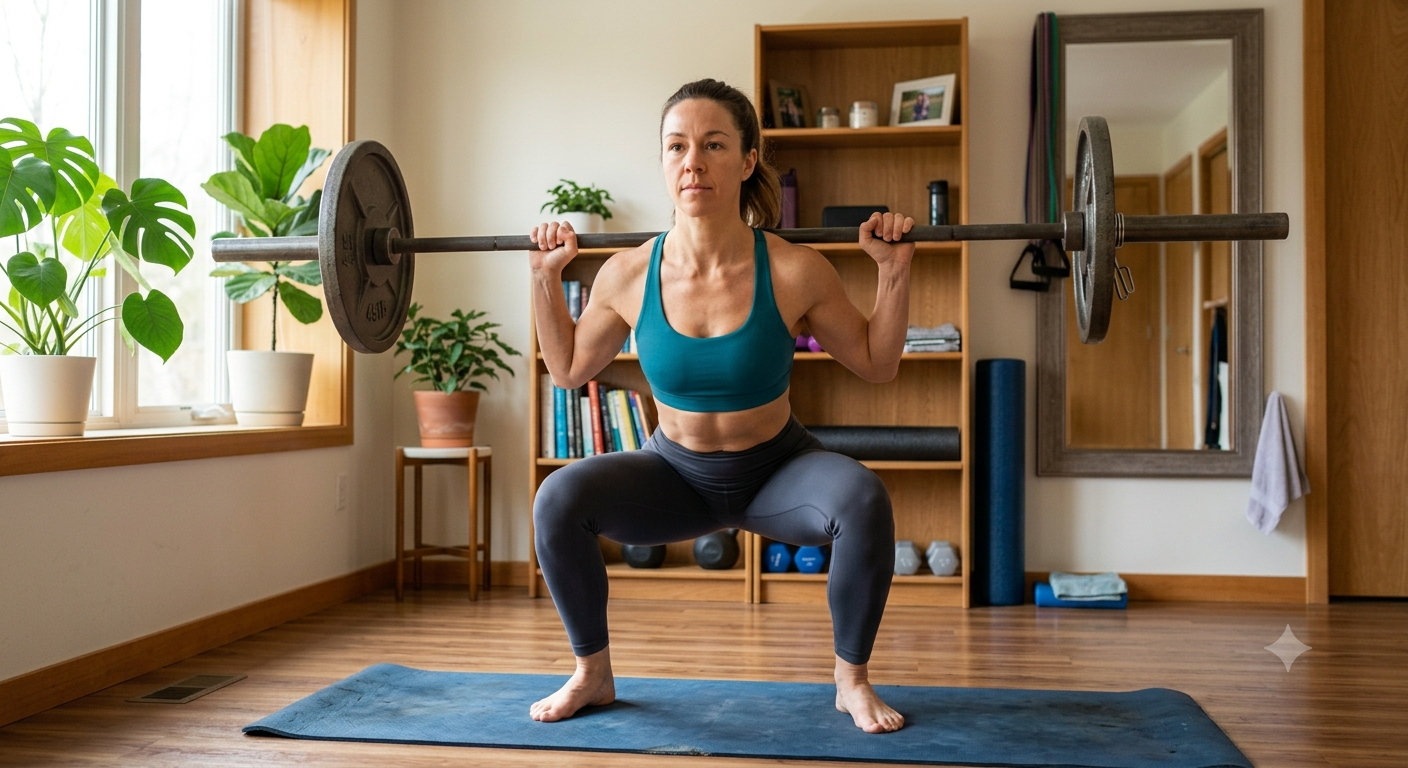
Finding Your Squat Stance: The Brighton Guide to Pain-Free Lifting
The squat is often called the king of exercises, but if you are forcing your body into a textbook position that does not suit your anatomy, you might be setting yourself up for injury. At our Brighton chiropractic clinic, we frequently see patients struggling with hip pinching or lower back tightness simply because their squat stance is a poor match for their unique skeletal structure. For additional guidance, consider consulting our “Finding Your Squat Stance | Brighton Physiotherapist” resources.
There is no single “perfect” squat stance. The shape of your hip sockets, the length of your thigh bones, and your ankle mobility all dictate how deep you can go and how wide your feet should be. Finding your squat stance is essential for protecting your joints and maximizing your strength. You can find professional tips by reading Finding Your Squat Stance | Brighton Physiotherapist advice online.
The Standard Test
To find your natural alignment, try the quadruped rock-back test:
- Get onto your hands and knees.
- Keep your spine neutral and slowly rock your hips back toward your heels.
- If your back rounds early, widen your knees and try again.
- The angle where you can rock back the furthest without your lower back tucking under is generally a great indicator of where your feet should sit when you stand up to squat. As a rule of thumb, this assessment allows you to begin finding your squat stance | Brighton physiotherapist techniques that best suit your anatomy.
Listen to Your Body
When you transition to a standing squat, pay close attention to your knees and hips. Your knees should always track directly in line with your toes. If you feel a sharp pinch in the front of your hip, your stance may be too narrow, or your toes may need to be turned outward slightly to clear space in the joint.
An optimal squat should feel stable, fluid, and completely free of joint pain. To summarise, successfully finding your squat stance | Brighton physiotherapist guidance ensures pain-free and efficient lifting. If you are local to East Sussex and want to optimize your lifting mechanics or resolve nagging training aches, book a assessment with our Brighton chiropractic team today.