
Core Chiropractic Brighton, 2 Circus Parade, New England Road, Brighton, BN1 4GW
01273 933 170

Category Archives: PLANTAR FASCITIS

Plantar Fascia Stretch | Brighton Chiropractor

The Wall Plantar Fascia Stretch: A Brighton Chiropractor’s Guide to Heel Pain Relief

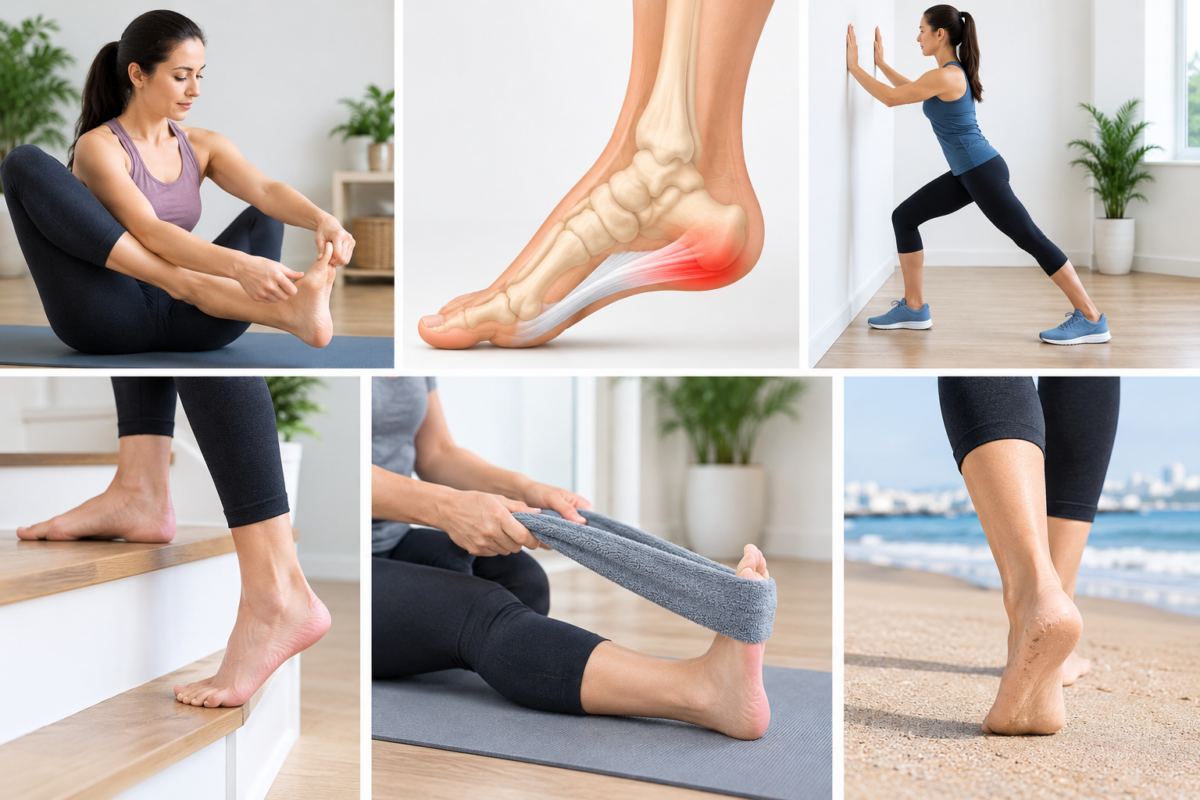
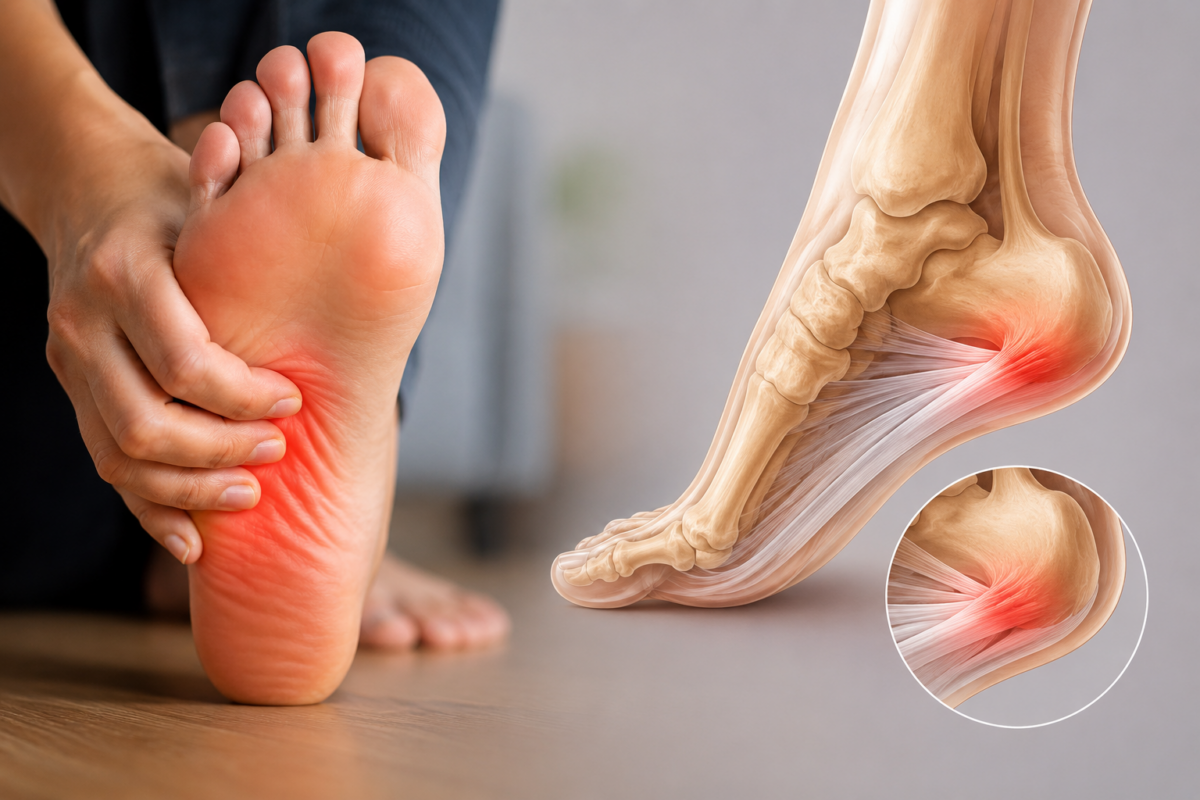
If your first steps of the day feel like walking on sharp pebbles, you are likely suffering from plantar fasciitis. This common condition involves the inflammation of the thick band of tissue running along the bottom of your foot, and learning proper plantar fascia care is something a Brighton chiropractor can help with. Adding the Plantar Fascia Stretch | Brighton Chiropractor technique can make a great difference in comfort and long-term results.

From strolling through The Lanes to jogging along the Brighton seafront, foot discomfort can quickly stall your active lifestyle. Fortunately, the wall plantar fascia stretch is a powerful tool to restore flexibility and reduce pain. Many people searching for relief are recommended the Plantar Fascia Stretch | Brighton Chiropractor method, which is trusted for its results.

Why the Wall Stretch Works

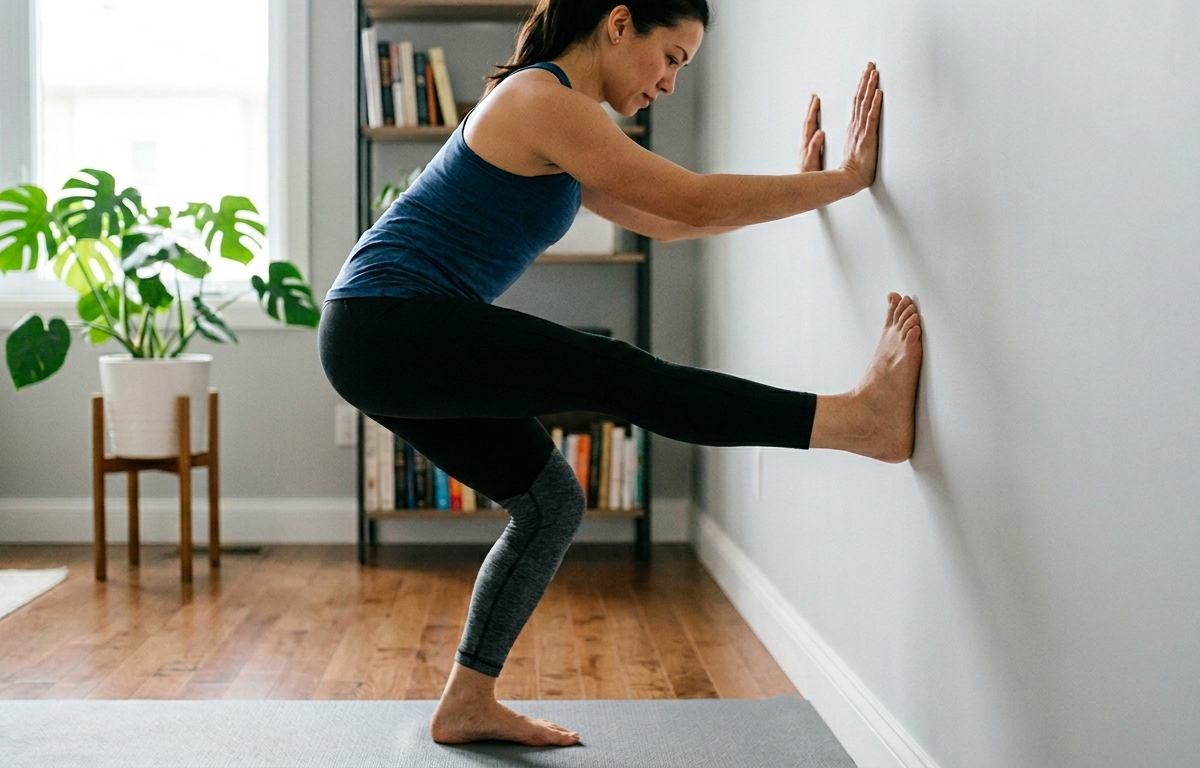
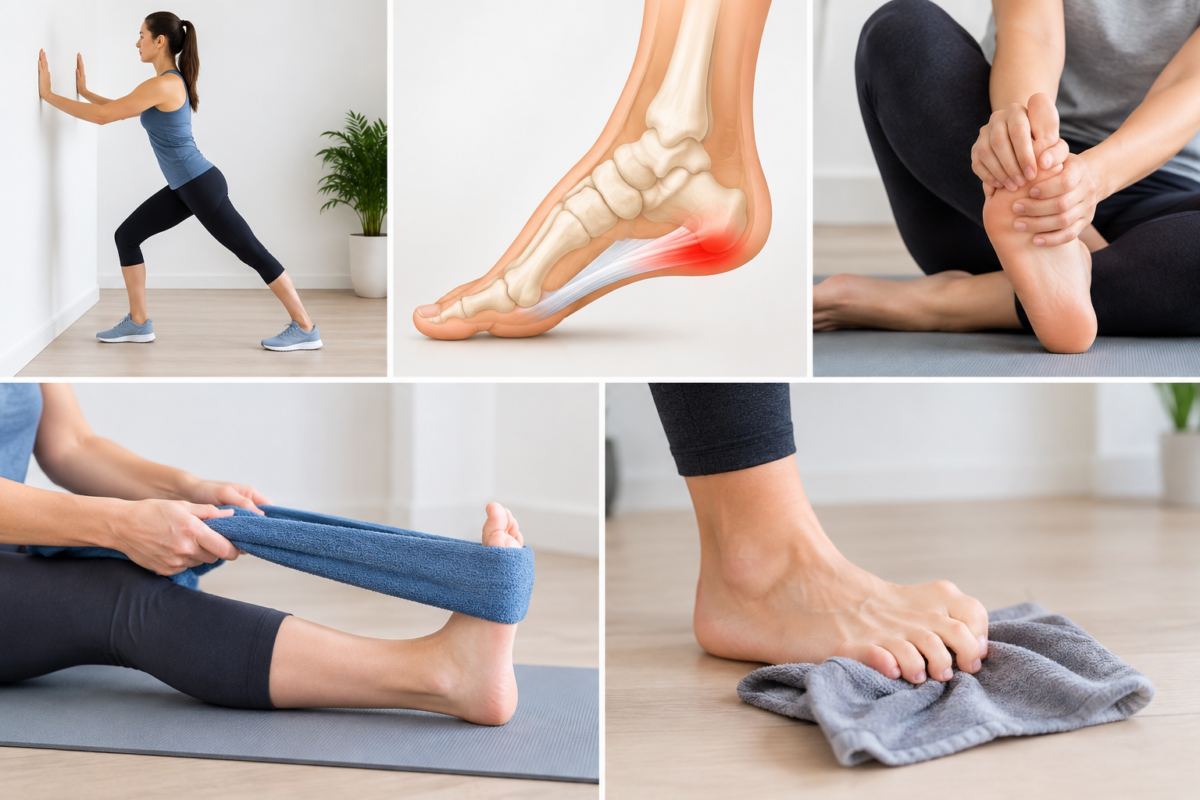
The exercise shown in the image above is highly effective because it creates a deep, controlled stretch through the entire kinetic chain of the lower leg. By placing your foot flat against the wall and gently sinking into your standing leg, you achieve several benefits:

  • Lengthens the plantar fascia: It directly stretches the taut tissues under the foot core.
  • Targets the calf and Achilles tendon: Tight calf muscles pull on the heel, which is a leading trigger for arch pain.
  • Improves ankle mobility: Better ankle flexion prevents your foot from collapsing inward when you walk.

How to Perform the Stretch Safely

  1. Stand facing a wall, roughly an arm’s length away. Place your hands on the wall for balance.
  2. Elevate your target leg and place the sole of your foot flat against the wall, keeping your leg straight.
  3. Slowly bend your supporting knee and lean your hips slightly forward until you feel a deep, comfortable pull through your arch and calf.
  4. Hold the position for 20 to 30 seconds while breathing deeply, then switch sides.

Chiropractic Tip: Never bounce during this movement. A slow, steady hold is the safest way to lengthen inflamed tissues without causing further micro-tears.

How Chiropractic Solves the Root Cause

While daily stretching offers fantastic relief, stubborn foot pain is often a symptom of poor biomechanics higher up in the body. If your pelvis or lower spine is misaligned, it forces you to alter your gait, putting excessive, uneven pressure on one foot. That’s why the Plantar Fascia Stretch | Brighton Chiropractor approach carefully addresses both symptoms and root causes.

At our Brighton chiropractic clinic, we don’t just look at where it hurts. We evaluate your entire posture, providing gentle adjustments to the pelvis, knees, and ankles to take the mechanical stress off your plantar fascia. Not only does this support your overall health, but combining adjustments with the Plantar Fascia Stretch | Brighton Chiropractor protocol is often the most effective path to lasting heel pain relief. If heel pain is keeping you grounded, contact our Brighton team today to book a comprehensive assessment.
Standing Plantar Fascia Stretch | Brighton Physiotherapist

Standing Plantar Fascia Stretch | Brighton Physiotherapist. Our Physiotherapist Lola demonstrates a Standing Plantar Fascia Stretch for those experiencing Plantar Fasciitis

What Is the Standing Plantar Fascia Stretch?

The Standing Plantar Fascia Stretch offers a simple yet effective way to improve foot flexibility, reduce heel pain, and support overall mobility. Many professionals providing chiropractic in Brighton recommend this stretch to patients who experience plantar fasciitis, foot tightness, or discomfort that affects their daily activities.

The plantar fascia is a thick band of tissue that runs along the bottom of the foot, connecting the heel to the toes. When this tissue becomes tight or irritated, it can cause pain in the heel and arch of the foot. Left untreated, foot dysfunction can affect walking patterns and place additional stress on the ankles, knees, hips, and lower back. Chiropractors often address these issues as part of a comprehensive treatment plan.

How to Perform the Standing Plantar Fascia Stretch

To perform the Standing Plantar Fascia Stretch, stand facing a wall and place your hands against it for support. Position one foot slightly behind the other. Keeping the back leg straight and the heel firmly on the floor, gently bend the front knee and shift your weight forward. You should feel a stretch along the arch of the foot and calf of the back leg. Hold the position for 20 to 30 seconds before switching sides. Repeat the stretch several times daily for the best results.

Benefits for Foot Health and Mobility

Many clinics offering chiropractic in Brighton include this stretch in rehabilitation and wellness programmes because it helps improve flexibility and promotes healthy movement patterns. Regular stretching can reduce tension in the feet and lower legs, improve circulation, and support better posture.

Some of the key benefits include:

  • Improved foot and ankle flexibility
  • Reduced heel and arch discomfort
  • Better circulation in the lower limbs
  • Enhanced balance and stability
  • Increased mobility during daily activities

How Chiropractic Care Supports Recovery

When combined with chiropractic care, the Standing Plantar Fascia Stretch may help restore proper biomechanics throughout the body. Improved foot function often leads to better balance, more efficient movement, and reduced strain on surrounding joints. Chiropractors can also identify movement restrictions and provide targeted treatment to support recovery.

When to Seek Professional Advice

If you experience ongoing heel pain, foot stiffness, or mobility issues, a chiropractor can assess your condition and create a personalised treatment plan. Early intervention often leads to faster recovery, improved function, and long-term relief.

Intrinsic Foot Muscle Exercise | Brighton Physiotherapist

Plantar Fasciitis Relief: A Brighton Chiropractor’s Guide to Heel Pain

When we think about core strength, we usually picture our abs. But your body actually has a second core: the foot core. Your intrinsic foot muscles are the small muscles located entirely within your foot that support your arches and absorb impact. In fact, if you have plantar fasciitis, focusing on intrinsic foot muscle exercise can make a significant difference. For individuals looking for advanced support, Intrinsic Foot Muscle ExercisePlantar Fasciitis is a strategic combination to consider.

Whether you are navigating the uneven pebble beaches of Brighton or training for the Brighton Marathon, keeping these muscles strong is vital for preventing injury and maintaining balance. Interestingly, plantar fasciitis sufferers can greatly benefit from strengthening intrinsic foot muscles through exercise. Therefore, Intrinsic Foot Muscle ExercisePlantar Fasciitis should not be overlooked by those dealing with heel pain.

The Danger of “Lazy” Feet

Modern footwear acts like a supportive brace, doing all the work for our feet. Over time, walking constantly on flat, hard surfaces in cushioned shoes causes our intrinsic muscles to weaken. Addressing plantar fasciitis often involves an intrinsic foot muscle exercise routine to reverse this weakness. As a matter of fact, many care plans will recommend Intrinsic Foot Muscle ExercisePlantar Fasciitis as an essential piece of conservative management.

When your foot core goes lazy, your arches begin to collapse or over-pronate. This instability travels straight up your body, causing a chain reaction of misalignment:

  • Plantar Fasciitis: The plantar fascia tissue stretches and tears under excessive strain.
  • Shin Splints & Knee Pain: The lower leg twists inward to compensate for a dropping arch.
  • Lower Back Aches: Your pelvis tilts unevenly, misaligning your spine.

The Short Foot Exercise

To rebuild your foot core, try the Short Foot exercise. It is essentially a pelvic floor contraction or “plank” for your sole: This simple intrinsic foot muscle exercise may help those struggling with plantar fasciitis regain strength and function.

  1. Sit or stand bare-foot with your feet flat on the floor.
  2. Without curling your toes under, try to pull the ball of your foot toward your heel.
  3. You should feel your arch lift and shorten.
  4. Hold this contraction for 5 to 10 seconds, then relax.
  5. Aim for 3 sets of 10 repetitions daily.

Visual Cue: Imagine trying to squeeze a piece of paper upward under the middle of your foot using only your arch muscles.

How Chiropractic Restores Foot Function

Exercises are incredibly effective, but only if the bones in your feet are moving properly. The foot contains 26 intricate bones and 33 joints. If any of these joints are locked or misaligned, your intrinsic muscles cannot activate correctly, which is especially important if you are managing plantar fasciitis and trying to perform intrinsic foot muscle exercise. As you can see, Intrinsic Foot Muscle ExercisePlantar Fasciitis is a holistic approach that combines muscular strengthening with alignment strategies for the best outcomes.

At our Brighton chiropractic clinic, we look at the whole kinetic chain. We provide gentle adjustments to the joints of the foot, ankle, and pelvis to restore natural alignment. Combined with targeted exercises, we help you build a solid, pain-free foundation. Contact us today to check your foot alignment. For people suffering from plantar fasciitis, adding intrinsic foot muscle exercise can maximize recovery.

Book your appointment now https://ccsussex.co.uk/chiropractic-appointment-brighton/

Shockwave therapy for plantar faciitis

Plantar faciitis Treatment Brighton | New Shockwave Treatment

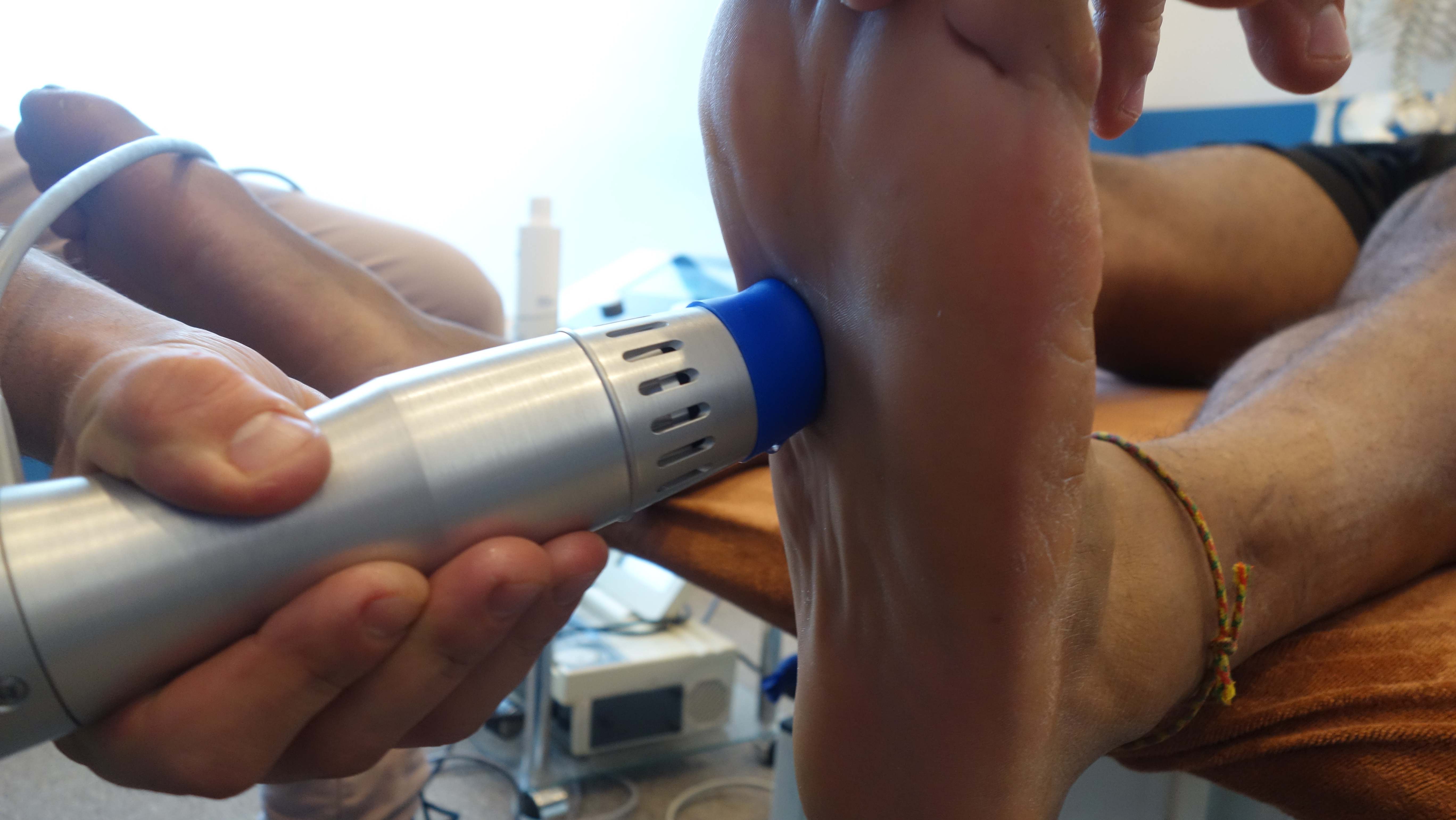
Plantar faciitis Treatment Brighton | New Shockwave Treatment for Plantar fasciitis treats the inflammation of the thick band of connective
tissue which continues from the calf muscle and connects the heel to the base of your toes.

Excessive walking, change of shoes, increase intesity of exercise or sometimes increased stasis can all cause this inflamation and subsequent pain

Plantar facitiis Treatment Brighton | New Shockwave Treatment for Plantar fasciitis is a procedure where shockwaves are passed through the skin into the connective tissue clled the plantar fascia. These shockwaves can increase blood flow in what is normally an area of thee body with poor blood supply and thus increase healing response.

Normally courses of treatment can be 2-6 sessions over 2-8 weeks combined with standard hands on manual and exercise therapy

For further information on Shockwave Therapy for treatment to Plantar Faciitis book in for your initial consultation today

Leg Foam Rolling | Brighton Chiropractor

Leg Foam Rolling | Brighton Chiropractor Matt Bateman shows you how to release and ease tension in the leg muscles includiing

1. Gluteals
2. Ilio-tibial Band
3. Calf Muscles

this can help ease tension and knee pain, hip pain and or plantar fasciitis in the ankle/foot.

It can also hellp prevent leg injuries inclduing overuse injusries when running or during sports.

For any further hints and tips on sports injuries and preventing leg inuries then go to http://ccbrighton.co.uk/videos-exercises-back-pain-neck-pain-sports-injuries/