Core Chiropractic Brighton, 2 Circus Parade, New England Road, Brighton, BN1 4GW
01273 933 170

Category Archives: CORE + HIPS

Exercises for Pelvic Joint Pain

Understanding Pelvic Joint Pain

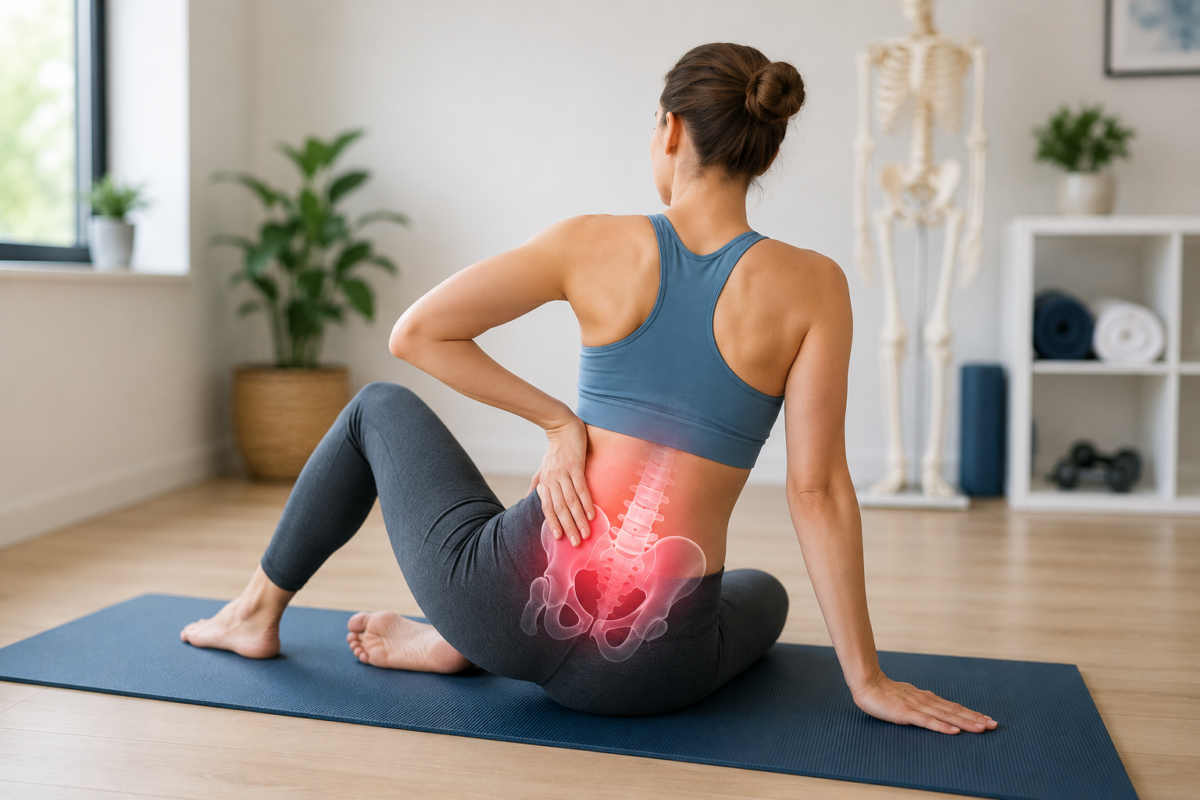
The pelvis consists of several joints, including the sacroiliac (SI) joints, which connect the spine to the pelvis. Dysfunction or irritation in these joints can lead to pain in the lower back, buttocks, hips, or groin. Strengthening the muscles that support the pelvis can improve stability and reduce strain on these structures, ultimately helping to relieve pain symptoms over time.

Pelvic Tilts

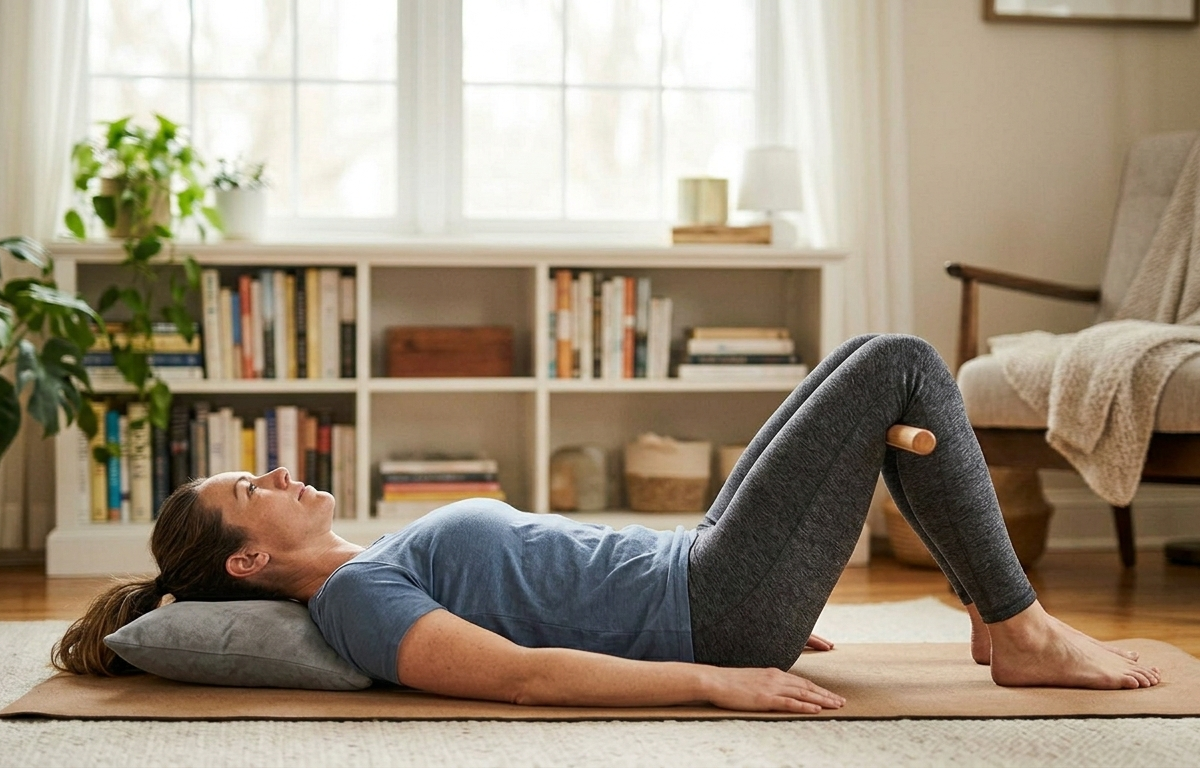
Pelvic tilts help improve mobility and activate the core muscles that support the lower back and pelvis. By incorporating this simple move into your routine, you can target the muscles involved in managing pelvic joint pain. Lie on your back with your knees bent and gently flatten your lower back against the floor by tilting your pelvis. Hold for a few seconds before relaxing.

Glute Bridges

Strong gluteal muscles are essential for pelvic stability. Since weakness here can contribute to pelvic joint pain, lie on your back with your knees bent and feet flat on the floor. Lift your hips towards the ceiling while squeezing your glutes, then slowly lower back down.

Clamshells

This exercise strengthens the hip stabilisers, which can help individuals with pelvic pain around the joint experience better mobility. Lie on your side with your knees bent and feet together. Keeping your feet touching, slowly lift the top knee while maintaining a stable pelvis.

Gentle Hip Stretches

Tight hip muscles can contribute to pelvic discomfort. For those struggling with joint pain in the pelvic area, gentle stretching of the hip flexors, piriformis, and hamstrings may help improve flexibility and reduce tension around the pelvis.

Chiropractic Care for Pelvic Joint Pain in Brighton

While exercises can play a valuable role in recovery, professional assessment is important to identify the underlying cause of pelvic joint pain. At our Brighton chiropractic clinic, we provide personalised treatment plans that may include chiropractic adjustments, soft tissue therapy, posture advice, and rehabilitation exercises.

If pelvic joint pain is affecting your quality of life, seeking expert chiropractic care can help restore movement, improve function, and support your return to everyday activities.

Book your appointment now https://ccsussex.co.uk/chiropractic-appointment-brighton/
Core Strengthening routine

Elevate Your Stability: The Ultimate Core Strengthening Routine at Brighton Physiotherapy

When most people think of “the core,” they envision six-pack abs. However, as any Brighton Physiotherapist will tell you, your core is actually a complex 360-degree cylinder of muscle that stabilizes your entire spine. Whether you are navigating the uneven pebbles of Brighton Beach or training for the Brighton Marathon, a robust core is the foundation of every movement you make. In fact, developing core strengthening safely improves almost every activity.


Beyond the Crunch: Why Core Strength Matters

A weak core often manifests as chronic lower back pain, poor posture, and decreased athletic power. At Brighton Physiotherapy, we prioritize “functional stability.” This means training your muscles to work together to support your torso, protecting your discs and nerves from unnecessary shear forces. The process prioritizes not only strength, but also purposeful core strengthening for complete physical wellbeing.

The Essential 3-Move Routine

You don’t need a gym membership to build a resilient midsection. Incorporate these three clinical favorites into your daily habit and enjoy the results of evidence-based strengthening core practices:

  • The Dead Bug: Lie on your back with arms raised and knees at 90 degrees. Slowly lower the opposite arm and leg toward the floor while keeping your lower back pressed firmly against the ground. This builds lumbar stability.
  • The Bird-Dog: From all fours, extend your right arm and left leg simultaneously. Focus on keeping your hips level like a tabletop. This targets the multifidus and glutes.
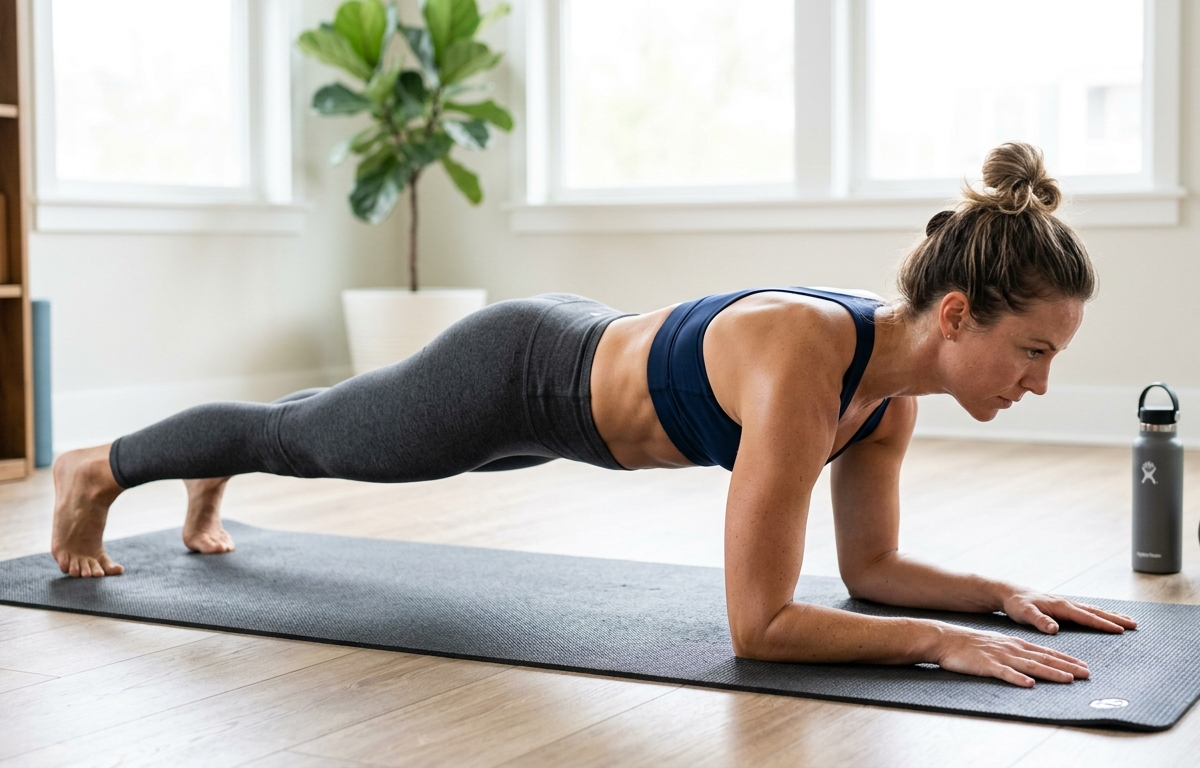
  • The Modified Side Plank: Prop yourself up on your forearm and knees (or feet for a challenge). This strengthens the obliques and quadratus lumborum, essential for lateral stability.

Local Benefits for Brighton Residents

From the steep inclines of Hanover to the windy gusts along the Promenade, Brighton’s geography demands a stable center of gravity. Implementing a consistent regimen for strengthening your core can be a game changer for city living. A dedicated core routine improves balance—essential for our older residents—and enhances force transfer for the city’s many cyclists and kitesurfers.

Physio Insight: Core strength is about endurance, not just power. It’s better to perform a move perfectly for 20 seconds than to struggle through a minute with poor form.

Take the Next Step

If you’re struggling with recurring back issues or feel “weak in the middle,” it’s time for a professional tune-up. Our team at Brighton Physiotherapy provides personalized biomechanical assessments to identify which specific core muscles are letting you down. As a result, a renewed focus on strengthening your core can transform your physical health and reduce pain.

Book your consultation today and build a foundation that lasts.

Are you looking to strengthen your core for a specific sport, or are you primarily focused on relieving daily back discomfort? If so, our Brighton team specializes in creative core strengthening programs to fit your needs.

Pigeon Stretch | Brighton Physiotherapy

Pigeon Stretch | Brighton Physiotherapy

What Is the Pigeon Stretch?

The pigeon stretch is a popular mobility exercise often recommended in chiropractic care to improve flexibility, reduce muscle tension, and support spinal alignment. This stretch primarily targets the hips, glutes, and lower back. These areas are commonly associated with stiffness and discomfort due to prolonged sitting, poor posture, or physical strain.

Benefits of the Pigeon Stretch in Chiropractic Care

In chiropractic practice, maintaining proper movement in the hips and pelvis is essential for overall spinal health. Tight hip muscles can create imbalance in the pelvis, placing additional stress on the lower back and surrounding joints. The pigeon stretch helps release tension in the piriformis muscle and hip rotators. As a result, it improves mobility and promotes better posture. Chiropractors may include this stretch as part of a rehabilitation or wellness program for patients experiencing lower back pain, sciatica, or reduced flexibility.

How to Perform the Pigeon Stretch

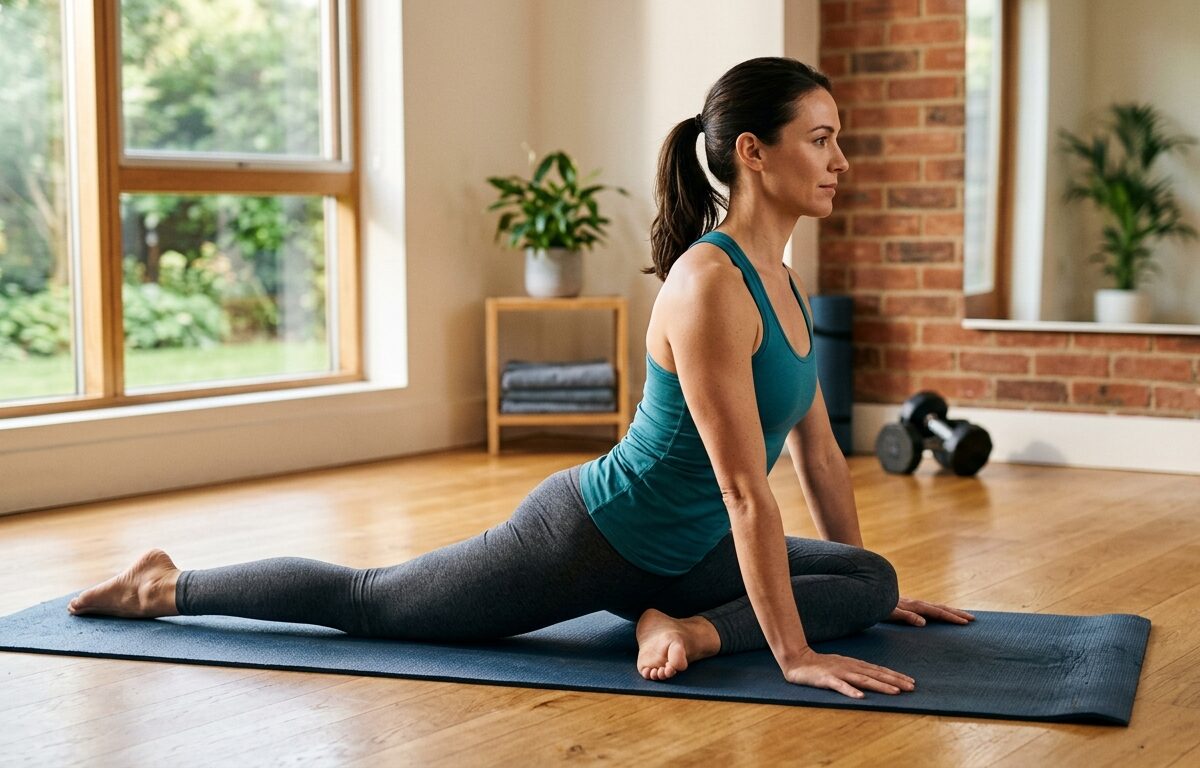
To perform the pigeon stretch, begin in a plank or tabletop position. Bring one knee forward and place it behind the wrist on the same side. Extend the opposite leg straight behind the body. Next, lower the hips gently toward the floor and keep the chest lifted. For a deeper stretch, lean the upper body forward while maintaining steady breathing. Hold the position for 20 to 30 seconds before switching sides.

Supporting Recovery and Injury Prevention

When combined with chiropractic adjustments, the this exercise may enhance recovery by supporting muscle relaxation and joint mobility. Regular stretching can also improve circulation, reduce muscle tightness, and help prevent future injuries. However, individuals with hip injuries or severe pain should consult a chiropractor or healthcare professional before attempting the stretch.

Why Add the Pigeon Stretch to Your Routine?

Overall, the pigeon stretch is a simple yet effective exercise that complements chiropractic treatment by encouraging flexibility, balance, and healthy movement patterns. Incorporating it into a daily routine can contribute to improved comfort, posture, and overall musculoskeletal health.

Patients often report reduced stiffness, improved hip range of motion, and greater ease during daily activities after consistent practice.

Book your appointment now https://ccsussex.co.uk/chiropractic-appointment-brighton/
Seated Figure Four Stretch | Brighton Physiotherapy

What Is the Seated Figure Four Stretch?

The Seated Figure Four Stretch is a highly effective mobility exercise that Brighton Physiotherapy professionals frequently recommend to relieve tension in the hips, glutes, and lower back. If you’re exploring treatment options at Brighton Physiotherapy, this stretch provides a good example of the exercises therapists often use to improve movement and reduce discomfort. It is particularly beneficial for people experiencing hip tightness, piriformis discomfort, sciatica symptoms, or stiffness caused by prolonged sitting. Physiotherapists commonly include this stretch in rehabilitation programmes to improve flexibility, mobility, and overall movement quality.

How to Perform the Seated Figure Four Stretch

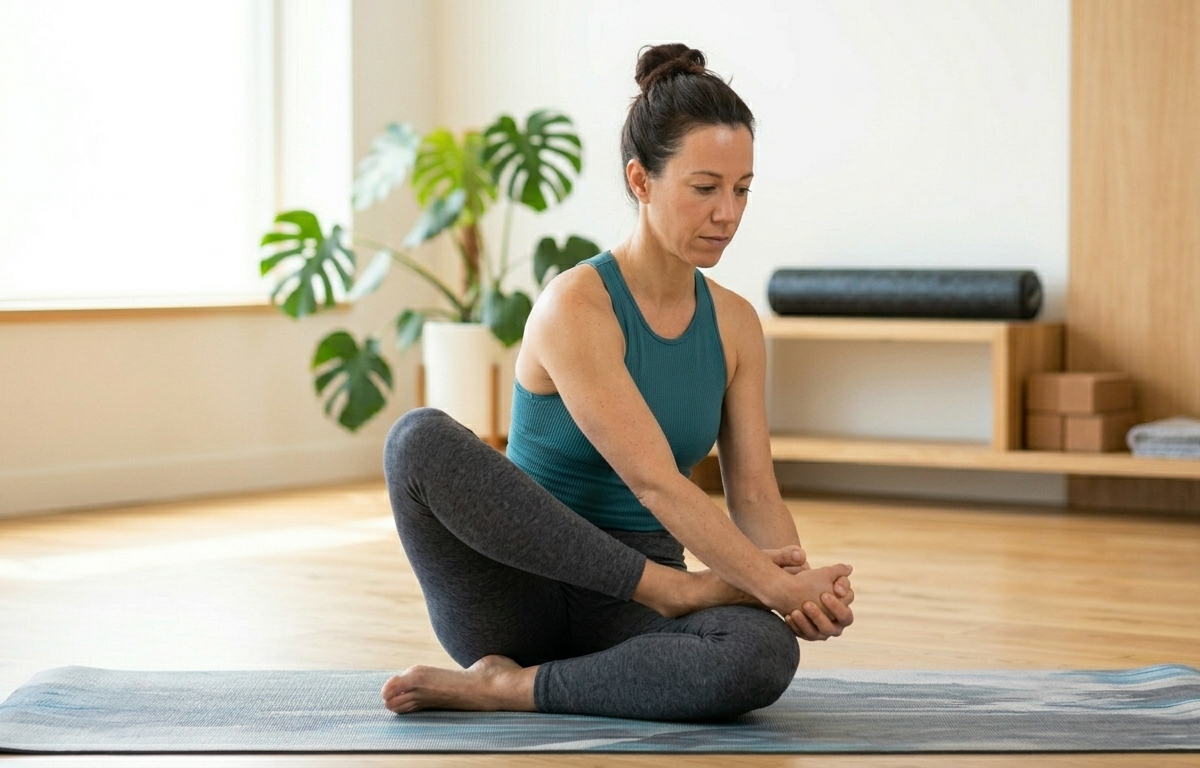
To perform the exercise, sit upright in a chair with both feet flat on the floor. Cross one ankle over the opposite knee to create a “figure four” position. Keep your back straight and gently lean forward from the hips until you feel a comfortable stretch in the buttock and outer hip area. Hold the stretch for 20–30 seconds while maintaining steady breathing. Slowly return to the starting position before switching sides. Brighton Physiotherapy specialists often recommend repeating the stretch several times throughout the day to improve hip mobility and reduce muscular tension.

Benefits of the Seated Figure Four Stretch

Physiotherapists frequently use the Seated Figure Four Stretch because it is safe, low impact, and suitable for most fitness levels. The stretch can help:

  • Improve hip flexibility and mobility
  • Reduce tension in the glutes and piriformis muscle
  • Ease lower back discomfort
  • Support better posture and movement patterns
  • Decrease pressure on the lower spine and surrounding muscles

Office workers, runners, cyclists, and individuals recovering from lower back or hip injuries often benefit from adding this stretch to their routine.

The Importance of Proper Technique

Physiotherapists guide patients through the correct technique to ensure they perform the stretch safely and effectively. Maintaining proper form helps maximise the benefits of the exercise while reducing the risk of strain or irritation. Consistent practice can also help prevent recurring discomfort and support long-term joint and muscle health.

When to Seek Professional Physiotherapy Advice

If you experience ongoing hip pain, reduced mobility, or persistent lower back discomfort, a physiotherapist can assess your condition and create a personalised treatment plan. A professional assessment can identify the underlying cause of your symptoms and help you recover more effectively through targeted exercises, hands-on treatment, and movement advice.

Book your appointment now https://ccsussex.co.uk/chiropractic-appointment-brighton/
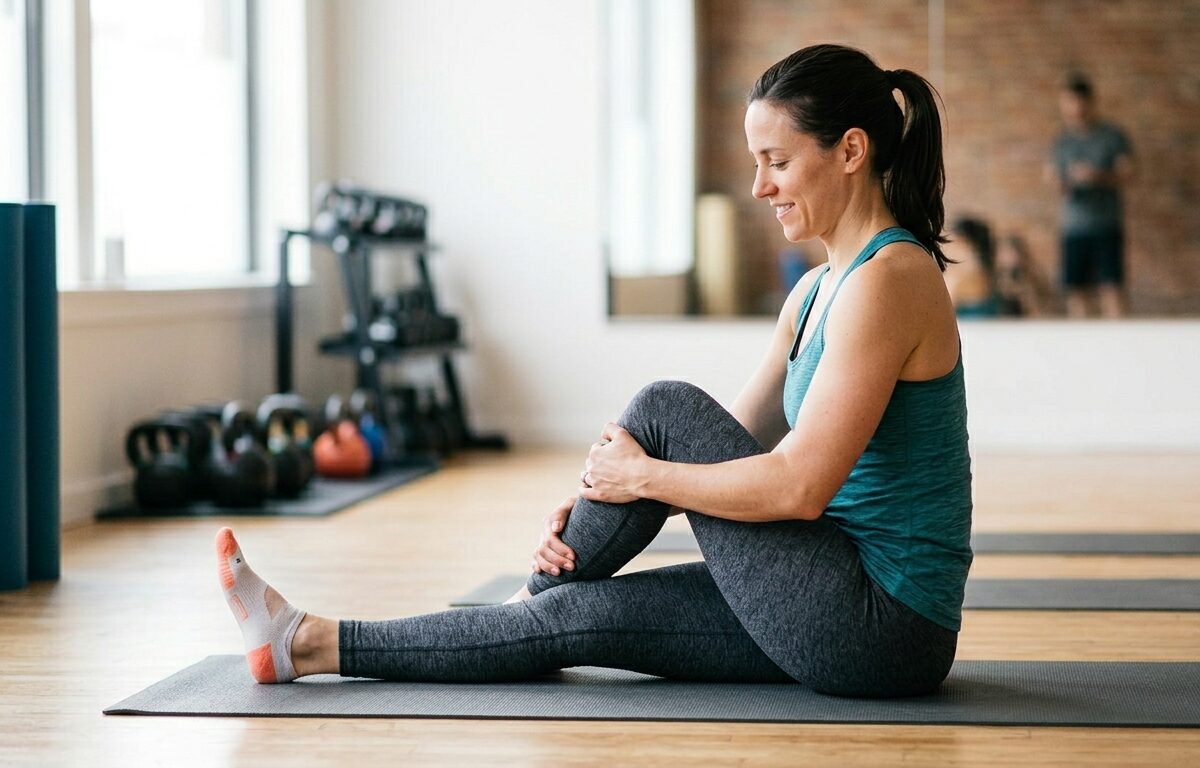
Modified Pigeon Stretch | Brighton Physiotherapy

Modified Pigeon Stretch | Brighton Physiotherapy

Master the Modified Pigeon Stretch: Relief for Tight Hips in Brighton

If you spend your days navigating the hilly streets of Brighton or sitting at a desk in the North Laine, your hips are likely feeling the pinch. Tight hip flexors and glutes are more than just a nuisance; they are often the hidden culprits behind chronic lower back pain and reduced athletic performance. At Brighton Physiotherapy, we frequently recommend the Modified Pigeon Stretch as a foundational tool for restoring mobility without the strain of traditional yoga poses.


Why “Modified” Matters

The classic Pigeon Pose is a staple in yoga, but for many, it places excessive stress on the knee joint or requires flexibility that isn’t quite there yet. This alternative pigeon stretch is modified, making it accessible for a range of abilities. The Modified Pigeon Stretch—often performed on an elevated surface like a treatment table, a bench at Preston Park, or even your bed—allows you to target the piriformis and deep hip rotators while maintaining a neutral spine.

How to Perform the Stretch

  1. Find your surface: Stand facing a table or bench at hip height. As you prepare, remember this is a modified way of doing the pigeon stretch.
  2. Position the leg: Lift your right leg and place the outer calf and ankle flat on the surface. Your knee should be bent at an angle that feels comfortable (not necessarily 90 degrees).
  3. Square the hips: Keep your standing leg straight and your hips pointing forward.
  4. The Lean: Keeping your chest tall and back flat, gently hinge forward at the hips until you feel a deep stretch in the right glute.
  5. Hold: Breathe deeply for 30–60 seconds, then switch sides.

The Benefits

  • Sciatica Relief: By releasing the piriformis muscle, you reduce pressure on the sciatic nerve with this modified pigeon stretch.
  • Improved Posture: Opening the hips helps tilt the pelvis back into a neutral position.
  • Enhanced Mobility: Essential for Brighton runners and cyclists tackling the South Downs.

Pro Tip: Never push into sharp pain. A “good stretch” should feel like localized tension, not a pinching sensation in the joint.

If you’re struggling with hip stiffness that just won’t budge, our expert team at Brighton Physiotherapy is here to help. For clients who need a gentler approach, we often suggest pigeon stretch with modifications. We combine targeted exercises with manual therapy to get you moving freely again. Book your assessment today and reclaim your mobility!

SIJ self manipulation 2 | Brighton Chiropractor

SIJ self manipulation 2 | Brighton Chiropractor. In this post, we will discuss effective techniques for SIJ self manipulation that you can try at home. If you are curious about SIJ self manipulation and want practical advice, you are in the right place.

SIJ Self-Manipulation: Is It Safe to Crack Your Own Pelvis?

If you suffer from lower back pain, hip stiffness, or a deep ache in your buttocks, you might be dealing with Sacroiliac (SI) joint dysfunction. When that area feels locked up, the urge to twist, pop, or stretch until you feel a satisfying “crack” is incredibly tempting. Many people attempt manipulating their own SIJ, but self manipulation can be unsafe.

However, attempting SIJ self-manipulation can often do more harm than good. Understanding how the sacroiliac joint works is essential before attempting to adjust it at home.

The Risks of DIY Joint Cracking

The SI joints connect your spine to your pelvis. Unlike your knuckles or neck, these joints are built for stability, not mobility. They are supported by a powerful network of strong ligaments meant to absorb shock. Yet, self manipulation of the SIJ may put these ligaments at risk.

When you try to self-manipulate your SI joint by forcefully twisting your lower body, you usually aren’t releasing the stuck joint at all. Instead, you are likely hyper-extending the hypermobile joints directly above or below it. This can lead to:

  • Ligament Laxity: Stretching out the ligaments, making the pelvis even more unstable.
  • Increased Inflammation: Aggravating the surrounding nerves and worsening your pain.
  • Muscle Spasms: Triggering defensive muscle guarding as your body tries to protect the unstable joint.

Safe Alternatives to Relief at Home

Instead of forcing a pop, focus on gentle mobilization and stabilization exercises. These alternatives are safer than SIJ self manipulation performed at home.

  • The Knee-to-Chest Stretch: Lie on your back and gently pull one knee toward your chest to subtly reset the pelvis.
  • Glute Bridges: Squeeze your glutes and lift your hips to build the strength needed to keep the SI joint in its proper place.

Professional Care for Lasting Relief

If your pelvis constantly feels out of alignment, it is time to skip the self-manipulation and see a professional. Chiropractors use targeted, precise adjustments to restore proper alignment to the SI joint safely, without straining the surrounding ligaments. For anyone frustrated with SIJ manipulation on their own, professional help offers lasting relief.

Stop the cycle of temporary cracking and painful rebounds. Contact our clinic today to book a comprehensive pelvic assessment and find lasting, safe relief.

SIJ self manipulation 1 | Brighton Chiropractor

The Hidden Risks of SI Joint Self-Manipulation: Why “Self-Cracking” Hurts More Than It Helps

Have you ever stood up from your desk, twisted your hips, and welcomed that loud pop in your lower back? If you suffer from sacroiliac (SI) joint dysfunction, that SIJ self manipulation might feel like instant relief. However, trying to “self-crack” your pelvis at home could actually be prolonging your lower back pain and driving you closer to a chronic injury.

Understanding the true mechanics of sacroiliac relief reveals why professional chiropractic care is essential for lasting recovery. It is important to note that SIJ self manipulation carries hidden risks.

Why Self-Cracking Gives False Relief

The SI joints connect your spine to your pelvis, acting as crucial shock absorbers. When your pelvis feels tight or locked up, twisting to force a “pop” releases endorphins and temporarily stretches surrounding muscles.

However, you aren’t actually realigning the joint. Because the SI joint is tightly bound by dense ligaments, forcing a pop usually mobilizes the hypermobile joints above or below the problem area. This creates a cycle of temporary relief followed by recurring, deeper stiffness.

The Dangers of Pelvic Instability

Consistently practicing SI joint self-manipulation can lead to micro-trauma. Repeatedly forcing the joint beyond its normal range of motion stretches the supporting ligaments. Over time, this leads to ligament laxity, causing chronic pelvic instability, muscle spasms, and localized pain in the buttocks or groin that mimics sciatica. SIJ self manipulation increases your risk of these outcomes.

How Chiropractic Care Resolves SI Joint Pain

Instead of aggressive twisting at home, safe recovery requires precision. A licensed chiropractor uses targeted manual therapy to restore proper mechanics:

  • HVLA Adjustments: High-Velocity, Low-Amplitude thrusts precisely target the restricted joint without over-stretching the surrounding ligaments.
  • Gentle Mobilization: Low-force techniques gently guide the pelvis back into alignment.
  • Targeted Rehabilitation: Combining manual care with core-stabilizing exercises ensures the pelvis remains balanced and supported.

Stop the cycle of temporary fixes. Though it may be tempting, SIJ self manipulation is not a safe alternative to professional care. If you are struggling with stubborn lower back or hip pain, schedule a comprehensive pelvic evaluation today to find true, long-term relief.

Advanced Hip Stretching 1 | Brighton Chiropractor

Unlock Your Mobility: Advanced Hip Stretching from Your Brighton Chiropractor

Whether you are training for the Brighton Marathon, cycling along the South Downs, or spending long hours sitting at a desk in the North Laine, your hips endure incredible daily strain. Tight hips don’t just restrict your movement; they pull your pelvis out of alignment, creating a domino effect that leads to lower back pain, knee strain, and poor posture. Anyone experiencing these issues would benefit from advanced approaches to hip stretching.

When basic stretches no longer provide relief, it is time to upgrade to more advanced hip stretching techniques for improved mobility and joint health.

Moving Beyond Basic Stretches: The 90/90 Stretch

Most people are familiar with the standard lunge stretch, but targeting the deep hip rotators and capsule requires a dynamic, multi-planar approach. The 90/90 stretch is an exceptional advanced movement for opening up both internal and external hip rotation. This drill is a cornerstone in advanced stretching for hips.

  1. The Setup: Sit on the floor and place your right leg in front of you, bent at a 90-degree angle. Position your left leg to the side, also bent at a 90-degree angle.
  2. External Rotation: Keeping your spine long and tall, gently hinge forward from your hips over your front leg until you feel a deep stretch in your right glute. Hold for 30 seconds.
  3. Internal Rotation: Sit back up, brace your core, and gently rotate your torso toward your back hip, pressing your left thigh firmly into the floor.

Why Structural Alignment Matters

Advanced stretching is highly effective, but it only works if the underlying joint is moving correctly. If your pelvis or lumbar spine is misaligned, stretching tight muscles can actually cause further joint instability. In the context of advanced hip stretching routines, structural alignment is crucial to gain the full benefits.

Our Brighton chiropractic clinic specializes in restoring proper pelvic biomechanics. By combining targeted adjustments with tailored dynamic mobility work, we unlock locked joints, reduce muscle guarding, and help you achieve lasting flexibility. Ready to move without limits? Book a comprehensive hip and pelvic assessment with our Brighton team today for your advanced hip stretching needs.

Book your appointment today at https://ccsussex.co.uk/chiropractic-appointment-brighton/
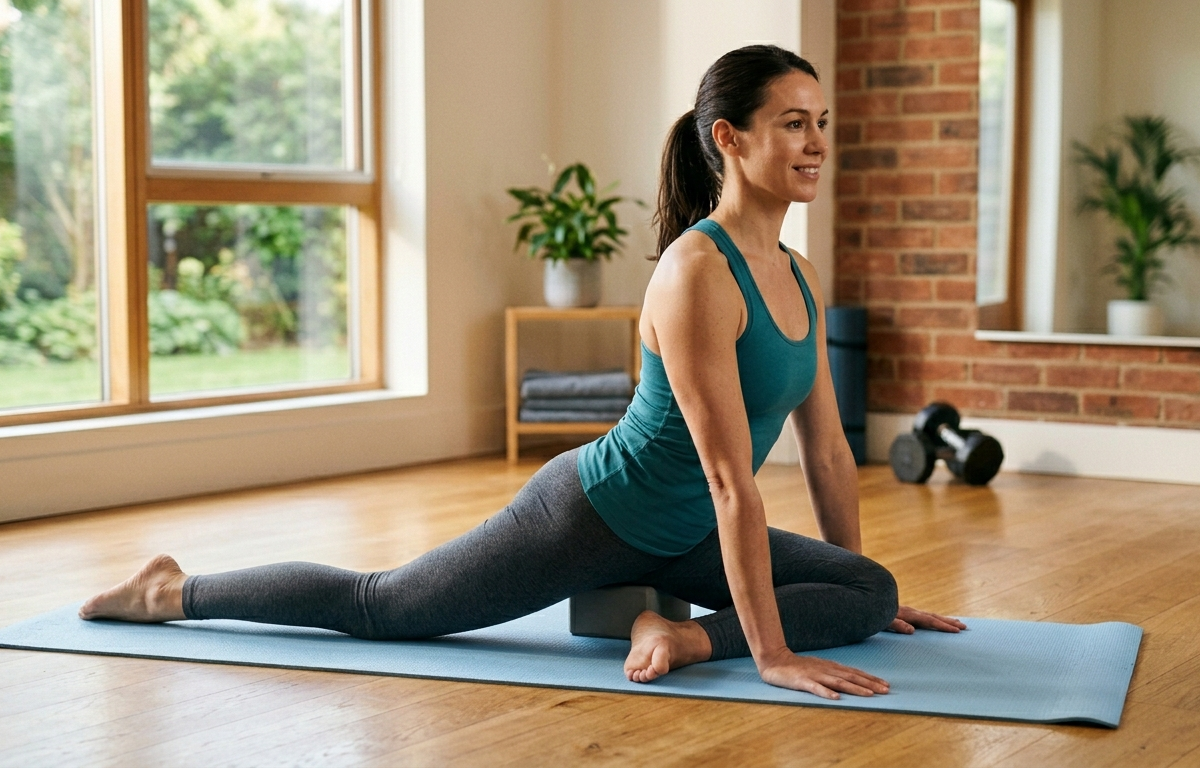
Hip abductions | Brighton Chiropractor

Why Hip Abduction Matters: A Brighton Chiropractor’s Guide to Hip Health

Whether you are running along the Brighton seafront, hiking the South Downs, or navigating the steep hills of Hanover, your hips take a beating. One of the most critical, yet frequently overlooked, movements for your lower body health is hip abduction.

Understanding this important action of hip abductions—and keeping it strong—is essential for staying pain-free and active in our vibrant seaside city.

What is Hip Abduction?

Hip abduction is the movement of drawing your leg away from the midline of your body. Think of stepping sideways out of a car or performing a side kick. The primary muscles responsible for this action are your gluteus medius and gluteus minimus, located on the outer side of your pelvis. For most people, learning about hip abductions helps clarify how their body moves in daily life.

These muscles act as the ultimate stabilizers for your entire lower body. Every time you take a step, run, or stand on one leg, your hip abductors fire to keep your pelvis level.

The Consequence of Weak Abductors

Because modern life involves so much sitting—whether at a desk in the Lanes or during a long commute—our hip abductors easily become weak and inactive. When these stabilizers switch off, a chain reaction occurs and strengthening your hip abductions becomes even more important:

  • Pelvic tilting: Your pelvis drops when you walk, placing uneven pressure on your lower spine.
  • Knee cave: Your knees pull inward during movement, leading to runner’s knee or IT band syndrome.
  • Lower back pain: Your lower back muscles overcompensate to stabilize your body, causing chronic aches.

The Side-Lying Clamshell

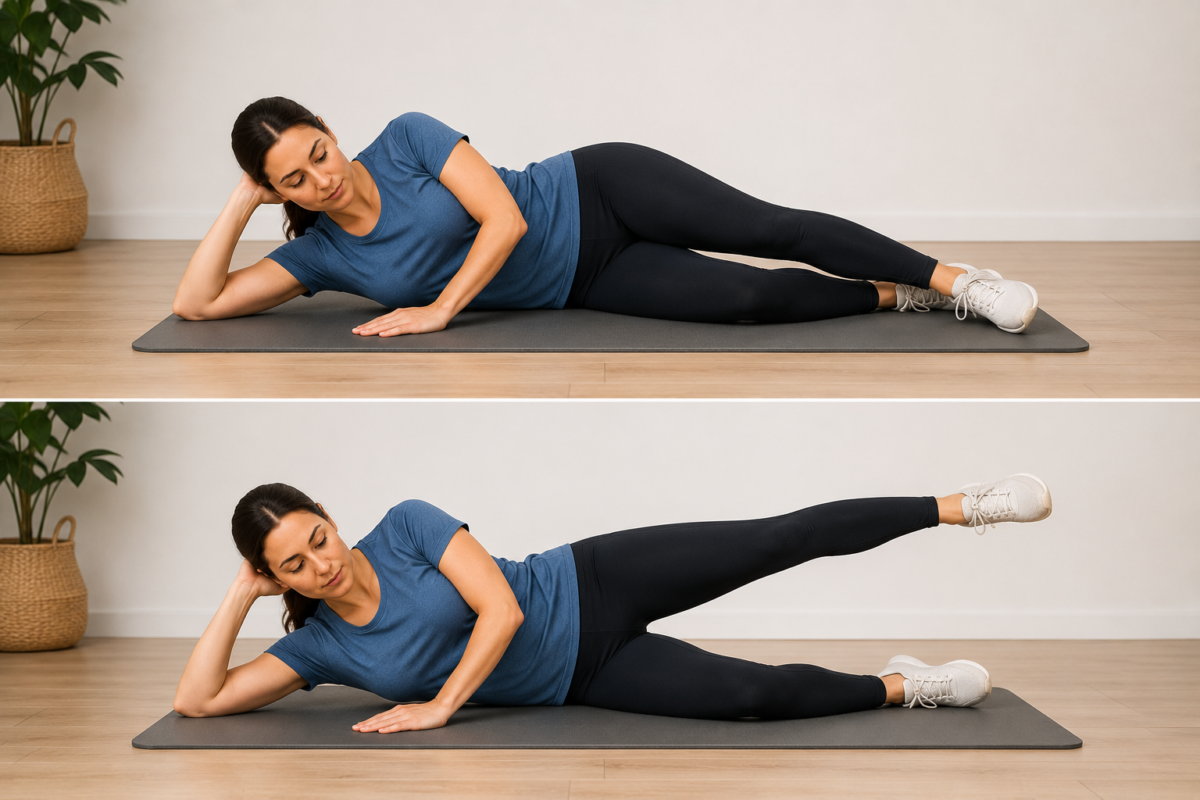
To wake up your hip abductors, try the clamshell stretch and strengthener. Performing side-lying hip abductions is a top way to target these muscles effectively.

  1. Lie on your side with your hips stacked and knees bent at a 90-degree angle.
  2. Keeping your feet glued together, slowly raise your top knee as high as possible without shifting your pelvis.
  3. Hold for two seconds, then slowly lower.
  4. Complete 10 to 15 repetitions on each side.

Signs of Weakness: If your hips sway significantly or your knees knock together when you look in the mirror while doing squats, your abductors likely need targeted attention.

How Chiropractic Helps

Stretching and home exercises are fantastic, but if your pelvis or lower spine is misaligned, your hip abductors cannot fire efficiently. Proper function during hip abductions is only possible when your body is in good alignment.

At our Brighton chiropractic clinic, we specialize in assessing global pelvic biomechanics. By restoring proper alignment to your sacroiliac joints and spine, we eliminate nerve interference and allow your hip muscles to function exactly as they should. If hip stiffness or lower back pain is holding you back, book an appointment with our Brighton team today.

Book your appointment now https://ccsussex.co.uk/chiropractic-appointment-brighton/
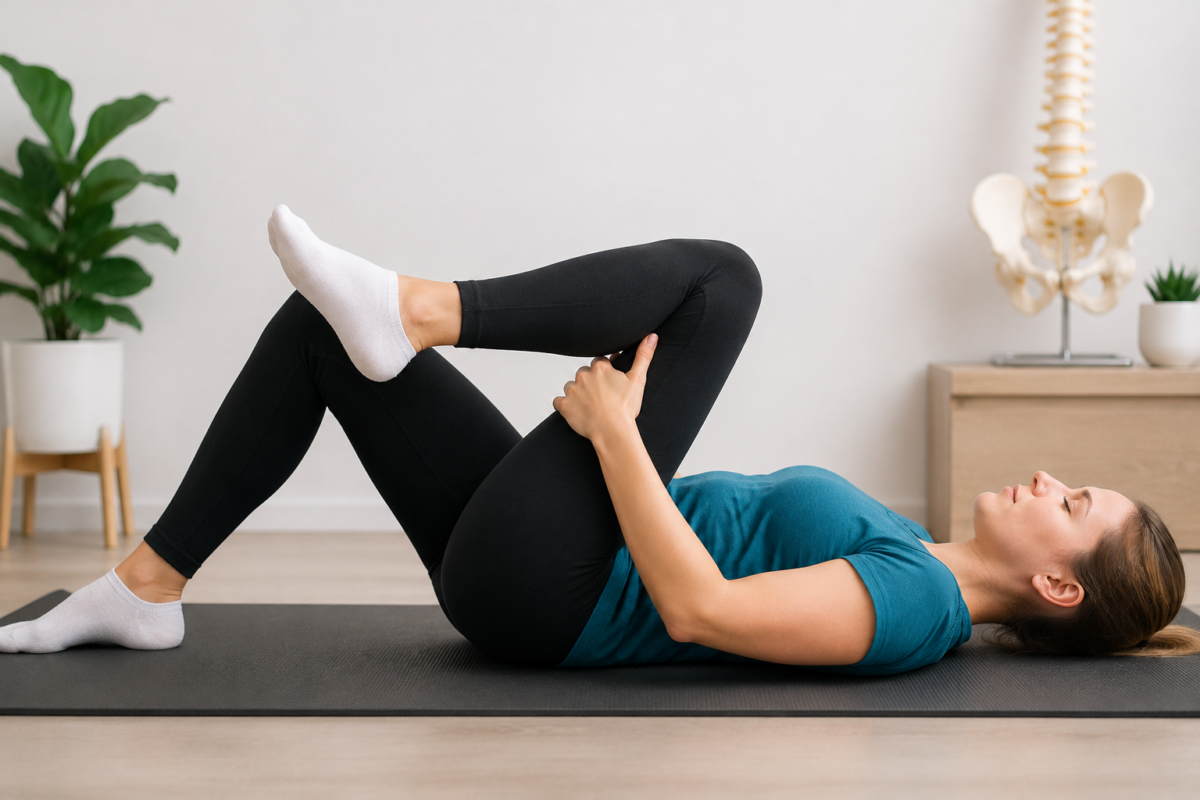
Marching Plank | Brighton Physiotherapist

Core Stability and Spinal Health: The Marching Plank in Brighton

Do you find yourself struggling with a dull ache in your lower back after a long stroll along the Brighton Palace Pier? Or do you feel it after hours sitting at your desk in the city centre? Lower back discomfort is incredibly common, and it often stems from a lack of deep core stability. While traditional planks are a fantastic starting point for building endurance, the marching plank takes your functional fitness to the next level. It does this by actively challenging your pelvic control and rotational stability.

Why the Marching Plank Works

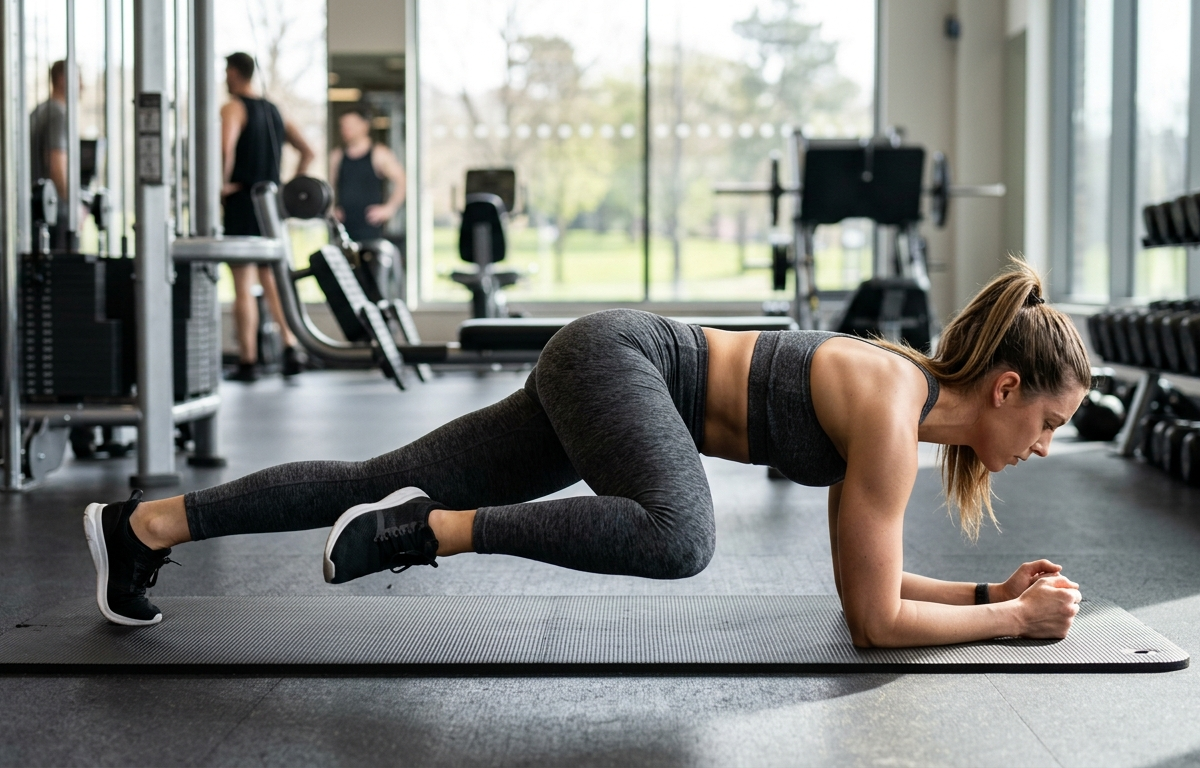
The marching plank is a dynamic progression of the standard forearm plank. By introducing movement, you force your deep stabilizing muscles—including the transverse abdominis, glutes, and multifidus—to work together. This helps keep your spine neutral.

  • How to do it: Begin in a standard forearm plank position with your elbows directly under your shoulders. Keep your body in a straight line from head to heels.
  • The Movement: Squeeze your glutes and slowly lift one foot a few inches off the floor without letting your hips sag or rotate. Instead, hold for a brief second, lower it back down, and repeat with the opposite leg.
  • The Goal: Aim for 10 to 12 alternating “marches” per side. Focus entirely on keeping your pelvis completely level throughout the exercise.

Boost Your Recovery with a Brighton Chiropractor

If you notice your hips dipping significantly or feel a pinching sensation in your lower back during this exercise, it may indicate a spinal misalignment or muscle inhibition. As a dedicated chiropractor in Brighton, we specialize in identifying these biomechanical deficits. Through targeted spinal adjustments, postural correction, and tailored exercise rehabilitation, we help ensure your core exercises are building strength rather than compensating for restriction. Contact our Brighton clinic today to book an assessment. Move with confidence!

1 2 3 7