Core Chiropractic Brighton, 2 Circus Parade, New England Road, Brighton, BN1 4GW
01273 933 170

Category Archives: CORE + HIPS

Psoas March | Brighton Physiotherapist

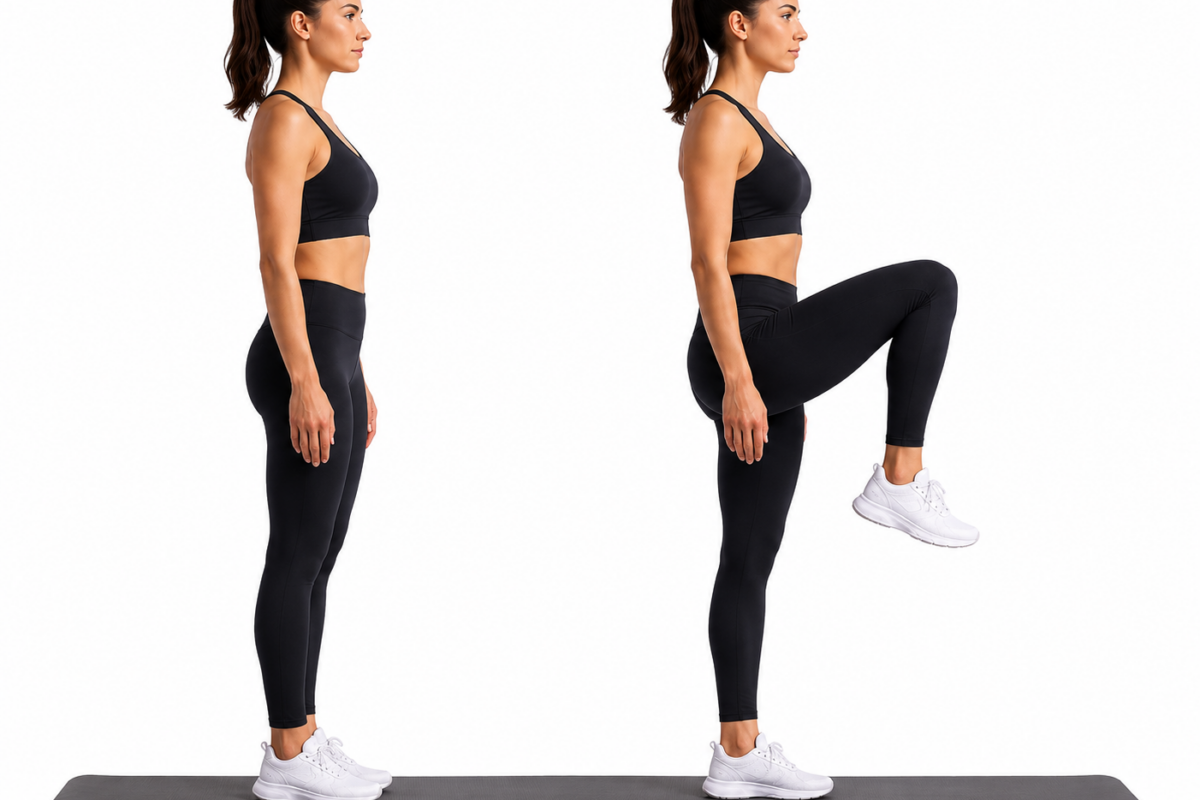
Psoas March Exercise: Strengthening Your Core and Supporting Spinal Health in Brighton

The Psoas March is a highly effective exercise that helps strengthen the deep core muscles, improve hip stability, and support overall spinal health. At our Brighton chiropractic clinic, we often recommend this movement as part of a comprehensive rehabilitation and wellness programme. This is particularly relevant for patients experiencing lower back pain, poor posture, or reduced mobility. Notably, many individuals ask us about the Psoas March | Brighton Physiotherapist method for achieving the best results with this exercise.

The psoas muscle is one of the body’s most important hip flexors. It connects the lower spine to the femur and plays a vital role in walking, standing, balance, and core stability. When the psoas becomes weak or dysfunctional, it can contribute to lower back discomfort, hip tightness, and movement restrictions. In fact, guidance on the Psoas March | Brighton Physiotherapist approach may help address such issues.

The Psoas March specifically targets the psoas while engaging the abdominal muscles and promoting pelvic stability. During the exercise, one knee is lifted toward hip height while maintaining an upright posture and a stable core. This controlled movement helps improve neuromuscular coordination and strengthens the muscles that support the lumbar spine. Following the Psoas March | Brighton Physiotherapist recommended cues can enhance your results.

Many Brighton residents who spend long hours sitting at desks or commuting can benefit from incorporating the Psoas March into their daily routine. Regular practice may help reduce strain on the lower back, improve posture, enhance athletic performance, and support injury prevention. Above all, Psoas March | Brighton Physiotherapist techniques offer tailored strategies for optimal benefits.

As chiropractors, we understand that every patient is unique. While the Psoas March is beneficial for many individuals, proper technique is essential to achieve the best results and avoid compensation patterns. Our experienced chiropractic team in Brighton can assess your movement patterns. Furthermore, we can create a personalised exercise programme tailored to your specific needs.

If you’re experiencing back pain, hip discomfort, or posture-related issues, contact our Brighton chiropractic clinic today. We can help identify the root cause of your symptoms. In addition, we can guide you through effective exercises, including the Psoas March, to support long-term spinal health and mobility.
Banded Standing Hip abductions | Brighton Physiotherapist

Banded Standing Hip Abductions: Strengthen Your Hips, Support Your Spine

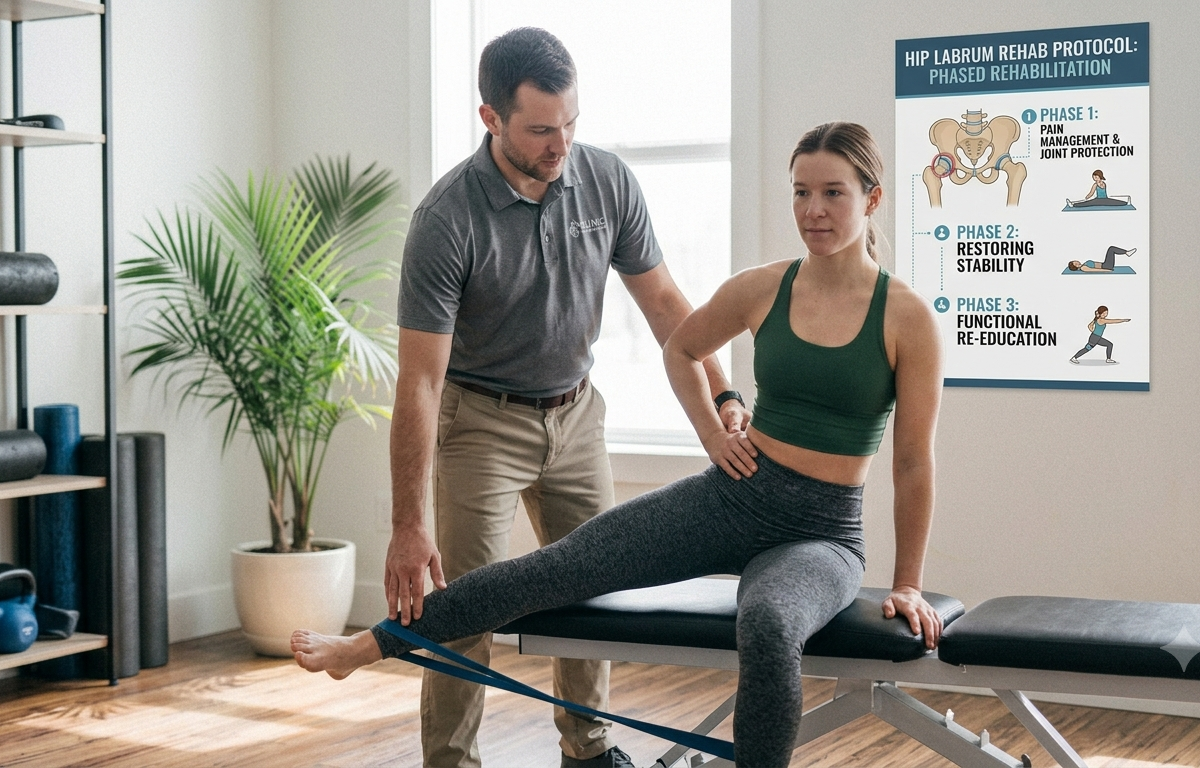
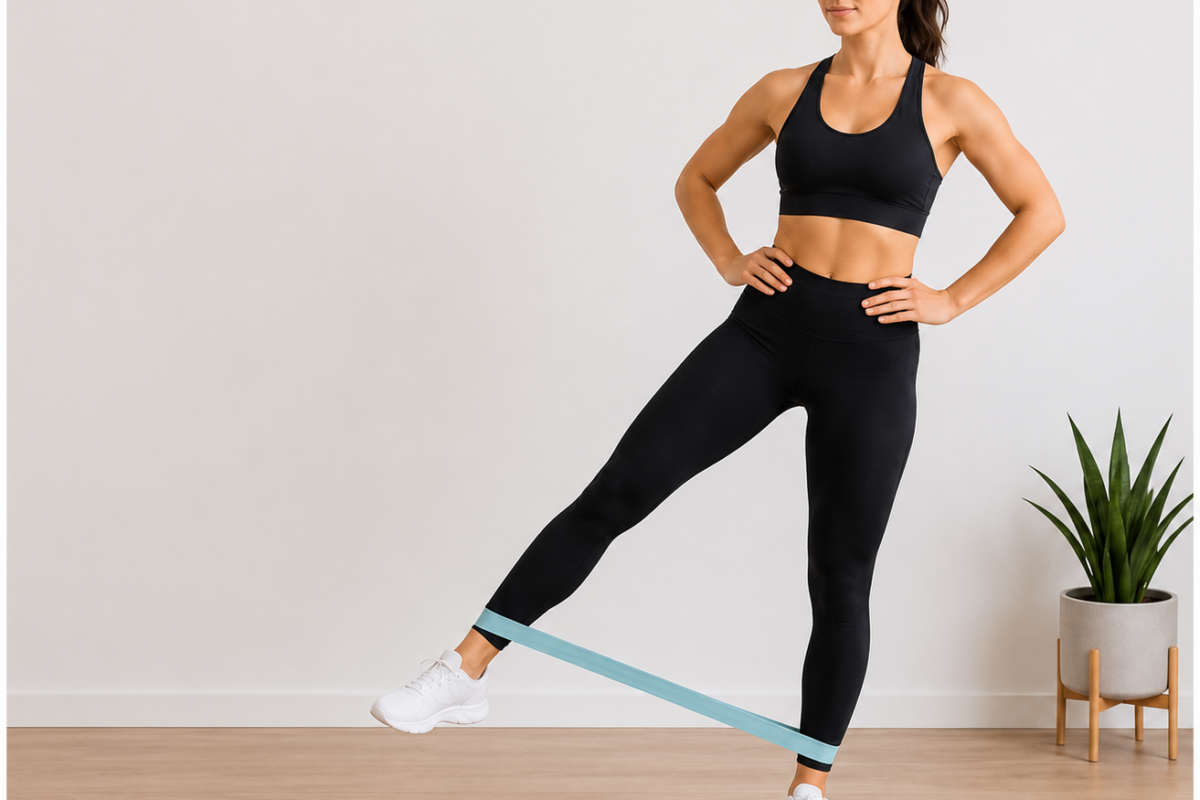
Banded standing hip abductions are a simple yet highly effective exercise for building strength in the hip muscles, improving stability, and supporting overall lower-body function. At our chiropractic clinic in Brighton, we often recommend this exercise to help patients enhance their movement, reduce pain, and prevent injury. In fact, Banded Standing Hip abductions | Brighton Physiotherapist is a key recommendation for many clients seeking effective hip strengthening, improved movement, or injury prevention.

What Are Banded Standing Hip Abductions?

This exercise targets the hip abductor muscles, primarily the gluteus medius and minimus. These muscles play a crucial role in stabilising the pelvis, supporting the lower back, and maintaining proper alignment during walking, running, and daily activities.

How to Perform the Exercise

Place a resistance band just above your ankles and stand tall with your feet hip-width apart. Engage your core for stability and slowly lift one leg out to the side, keeping it straight and your toes facing forward. Avoid leaning to the opposite side or twisting your hips. Pause briefly at the top, then lower your leg with control. Repeat on the other side. When performing Banded Standing Hip abductions | Brighton Physiotherapist, focus on slow, controlled movements for best results.

Benefits for Your Body

Strong hip abductors help improve balance, reduce strain on the knees and lower back, and promote better posture. This exercise is particularly beneficial for individuals experiencing hip pain, lower back pain, or those recovering from injury. Banded Standing Hip abductions | Brighton Physiotherapist can offer significant benefits for those rebuilding hip and lower back strength after injury.

Why It Matters for Spinal Health

Weak hip muscles can lead to poor movement patterns and increased stress on the spine. By strengthening the hips, you can improve pelvic stability, reduce compensations, and support a healthier, more mobile back.

Chiropractic Care in Brighton

At our Brighton chiropractic clinic, we take a holistic approach to musculoskeletal health. Our experienced chiropractors assess your movement, identify imbalances, and create personalised treatment and exercise plans tailored to your needs. Whether you’re dealing with pain, recovering from an injury, or looking to improve your performance, we’re here to help you move better and live well. For comprehensive care, Banded Standing Hip abductions | Brighton Physiotherapist is frequently included in our exercise recommendations.

Incorporate banded standing hip abductions into your routine and experience the benefits of stronger hips, improved stability, and better spinal health.

Round the clock | Brighton Physiotherapist

Boost Your Core: “Round-the-Clock” Stabilising Exercises for Back Pain Relief with guidance from a Brighton Physiotherapist

Are you struggling with persistent lower back stiffness or poor posture? Modern life in Brighton often means hours spent sitting at office desks or commuting, which can weaken the deep stabilizing muscles supporting your spine. At our Brighton chiropractic clinic, we focus on moving beyond temporary relief to help you build a resilient, pain-free body. One of the most effective tools we recommend is the “Round-the-Clock” stabilising exercise. In fact, round the clock core training strategies are a key part of every patient plan created by your Brighton physiotherapist. With our commitment to round the clock care, your Brighton Physiotherapist helps you at every stage of recovery. Importantly, round the clock | Brighton Physiotherapist strategies provide comprehensive support.

What is the “Round-the-Clock” Stabilising Exercise?

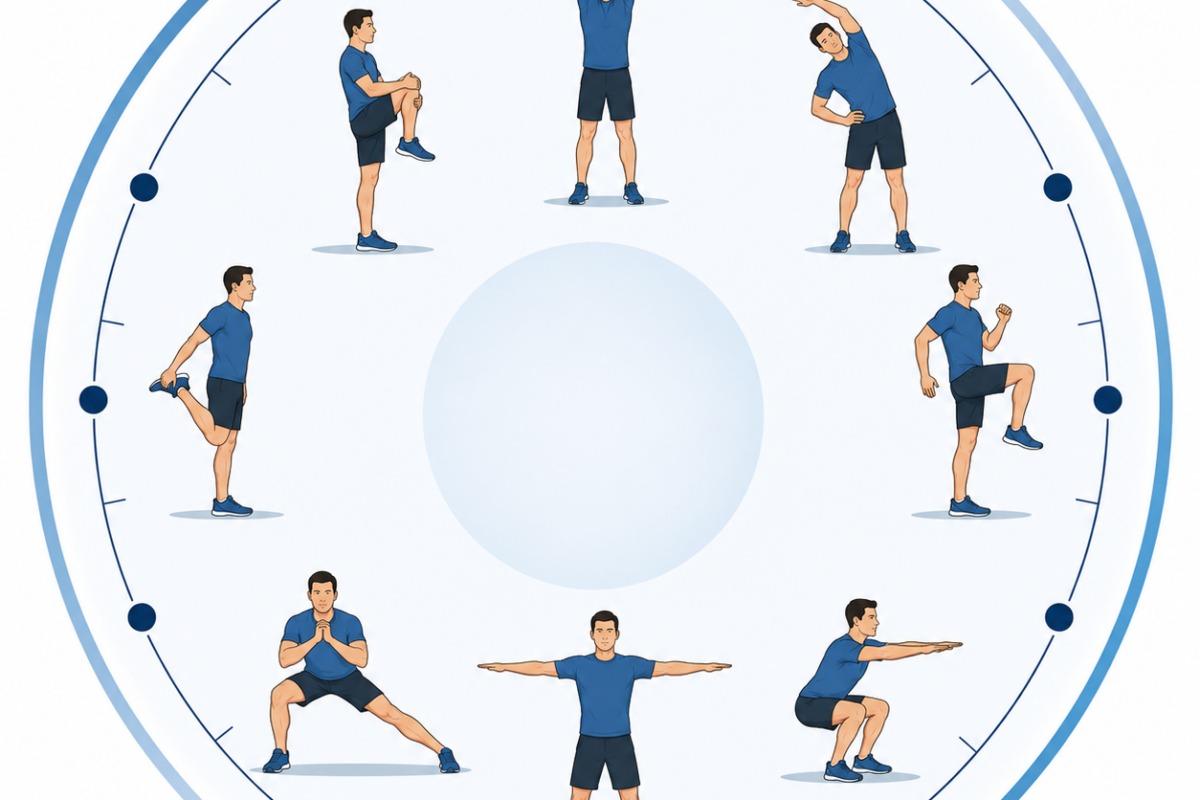
This functional movement targets your core, hips, and pelvis, acting as a natural brace for your lower lumbar spine. Imagine you are standing in the center of a large clock face on the floor: Here’s how round the clock training from your Brighton Physiotherapist can be applied in practice. Additionally, round the clock | Brighton Physiotherapist routines enhance daily function.

  1. The Setup: Stand firmly on your left leg with a slight bend in your knee, keeping your hips level and your core engaged.
  2. The Movement: Gently tap your right foot forward at 12 o’clock, return to the center, and then tap outward at 3 o’clock. Finally, reach backward to tap at 6 o’clock before returning to the start.
  3. The Switch: Repeat the sequence 5 to 10 times, then switch legs (tapping 12, 9, and 6 o’clock with your left foot).

By moving your leg through different angles, you force the deep stabilising muscles of your standing leg—such as the gluteus medius and core—to activate and protect your pelvis from tilting. To clarify, many patients find round the clock drills beneficial when supervised by a Brighton physiotherapist.

Why Our Brighton Chiropractic Team Recommends It

Spinal adjustments work best when supported by dynamic muscle habits. Integrating this simple balance exercise into your routine offers major benefits: For optimal results, consider round the clock sessions guided by a Brighton physiotherapist. With support from your Brighton physiotherapist, round the clock improvements in stability are achievable. Furthermore, round the clock | Brighton Physiotherapist methods ensure progress is ongoing.

  • Improves Spinal Alignment: It trains your nervous system to maintain a neutral spine during daily movement.
  • Reduces Lower Back Pain: Stronger stabilising muscles take the pressure off your joints and discs.
  • Enhances Mobility: Perfect for navigating Brighton’s hilly streets or enjoying coastal walks.

If you want to unlock long-term back health, book a consultation with a leading Chiropractor in Brighton today. Let us tailor a recovery plan that keeps you moving beautifully. Round the clock improvement is possible with the help of a Brighton physiotherapist. As a result, round the clock | Brighton Physiotherapist support makes a difference for those seeking lasting back pain relief.

Book your appointment now https://ccsussex.co.uk/chiropractic-appointment-brighton/

Prone Internal\External hip rotation | Brighton Physiotherapist

Prone Internal and External Hip Rotation: Improving Mobility and Supporting Spinal Health

Prone internal and external hip rotation exercises are highly effective for improving hip mobility, enhancing joint function, and supporting overall spinal health. At our chiropractic clinic in Brighton, we frequently recommend these movements to help patients improve flexibility, reduce discomfort, and optimise movement patterns. Many of our patients ask about Prone Internal\External hip rotation | Brighton Physiotherapist to address specific mobility concerns.

What Is Prone Internal and External Hip Rotation?

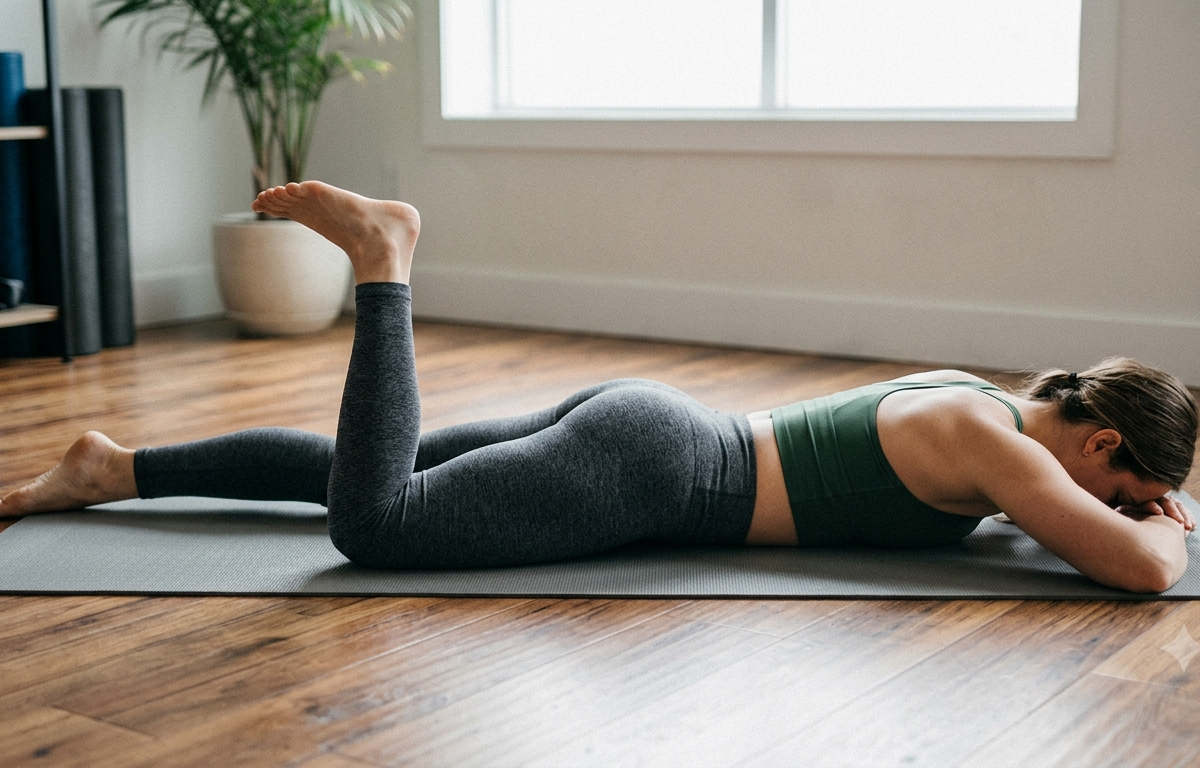
This exercise is performed while lying face down and focuses on rotating the hip joint inward and outward. It targets the muscles responsible for hip mobility, including the gluteal muscles, deep hip rotators, and surrounding stabilising structures. Maintaining adequate hip rotation is essential for walking, running, squatting, and many everyday activities. If you are searching for ways to improve hip function, Prone Internal\External hip rotation | Brighton Physiotherapist can support you in your rehab journey. In fact, consulting about Prone Internal\External hip rotation | Brighton Physiotherapist is a great first step for anyone looking to maximize results.

How to Perform the Exercise

Begin by lying comfortably on your stomach with your knees bent to approximately 90 degrees. Keeping your thighs on the floor, slowly move your feet apart to create internal hip rotation. Then, bring your feet together and move them in the opposite direction to create external hip rotation. Perform the movement slowly and with control, avoiding any discomfort or compensatory movements through the lower back. For best results and safety, consult a professional familiar with Prone Internal\External hip rotation | Brighton Physiotherapist techniques.

Benefits for Hip and Lower Back Function

Restricted hip mobility can place excessive strain on the pelvis, knees, and lower back. Regularly performing prone internal and external hip rotations can help improve joint range of motion, reduce stiffness, and enhance overall movement efficiency. Increased hip mobility may also contribute to better posture and reduced risk of injury. Therefore, referring to Prone Internal\External hip rotation | Brighton Physiotherapist advice may further enhance your outcomes.

Why Hip Mobility Matters for Chiropractic Care

The hips and spine work closely together during movement. When hip mobility is limited, the lower back often compensates, potentially leading to pain, muscle tension, and dysfunction. Improving hip rotation can reduce stress on the lumbar spine and support healthier movement patterns. In summary, many patients benefit from Prone Internal\External hip rotation | Brighton Physiotherapist guidance when seeking effective musculoskeletal care.

Chiropractic Treatment in Brighton

At our Brighton chiropractic clinic, we assess movement restrictions and identify underlying causes of pain and stiffness. Our experienced chiropractors create personalised treatment plans that may include spinal adjustments, soft tissue therapy, and corrective exercises such as prone hip rotations. By improving mobility and addressing dysfunction, we help patients move better, recover faster, and maintain long-term musculoskeletal health. Ultimately, discussing Prone Internal\External hip rotation | Brighton Physiotherapist goals with your clinician ensures an individualized approach to your care.

Piriformis Ball Release | Brighton Physiotherapist

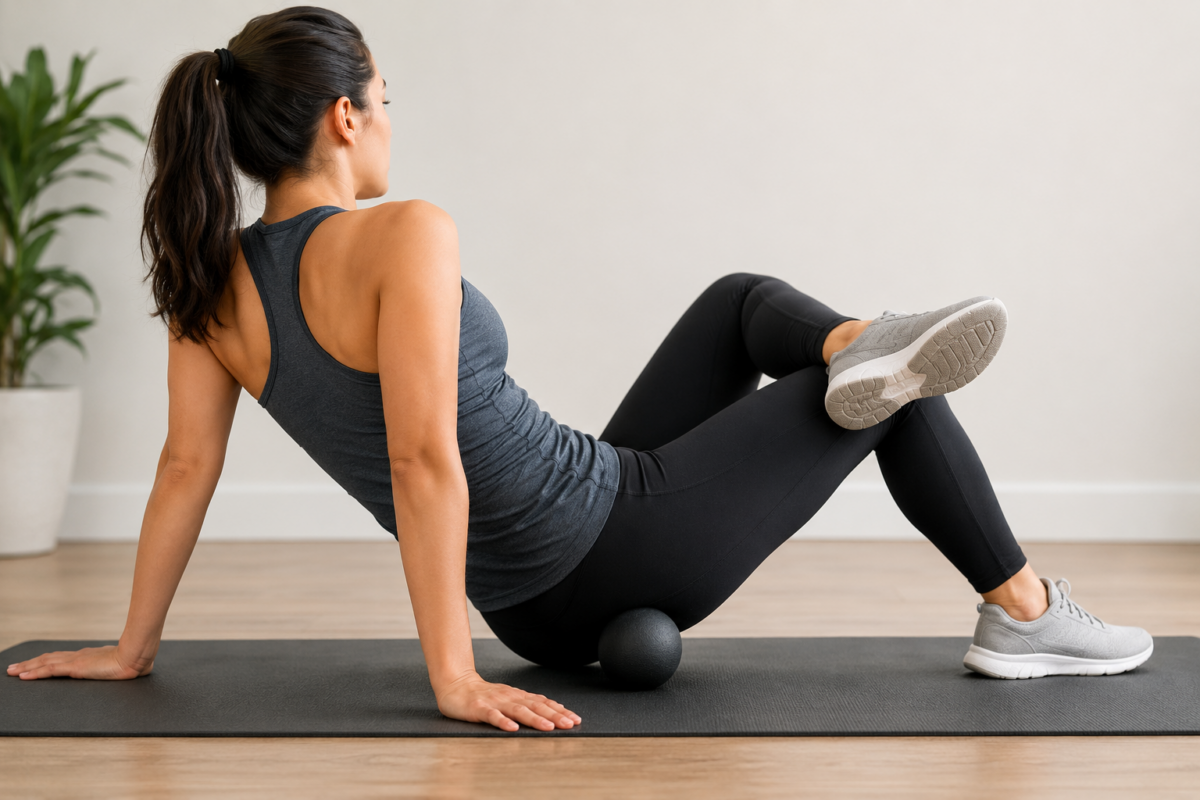
Piriformis Ball Release | Brighton Physiotherapist. Our Physiotherapist Lola Demonstrates a Piriformis Ball Release Exercise to relieve tension

Relieve Sciatica and Deep Glute Pain: The Piriformis Ball Release Method

If you are dealing with a sharp ache in your buttocks or a shooting pain down your leg, you might be experiencing piriformis syndrome. The piriformis is a small muscle located deep in the glutes that can easily become tight, inflamed, or spasmed due to prolonged sitting, running on uneven coastal surfaces, or poor spinal alignment. When this happens, it can compress the sciatic nerve, causing significant discomfort.

While visiting a local practitioner is the most effective way to address the root cause, using a massage ball at home can provide incredible, targeted relief between sessions.

How to Perform the Piriformis Ball Release

This trigger point therapy allows you to roll out tension using your own body weight.

  • Position the Ball: Sit on a yoga mat and place a lacrosse ball, tennis ball, or specialized mobility ball under your affected glute.
  • Find the Trigger Point: Lean your weight onto the side with the ball, supporting yourself with your hands behind you. Slowly move around until you find a tender spot.
  • Intensify the Release: To deepen the pressure, cross the ankle of the affected leg over the opposite knee into a figure-four position.
  • Hold and Breathe: Relax into the ball. Hold the pressure on that spot for 30 to 60 seconds while taking slow, deep breaths. Gently shift to a new spot if needed.

Why Professional Chiropractic Care Matters

While myofascial release with a ball helps soothe tight muscles, a stubborn piriformis muscle is often a symptom of a misaligned pelvis or lower back. When the pelvic girdle is unbalanced, the piriformis has to overcompensate to stabilize your hip joint.

A tailored chiropractic adjustment restores pelvic balance, takes the mechanical stress off the piriformis muscle, and directly decompresses the sciatic nerve for long-term recovery.

Book your appointment now https://ccsussex.co.uk/chiropractic-appointment-brighton/

Bird Dog Exercise | Brighton Massage Therapy

Core Stability and Balance: The Bird Dog Exercise in Brighton

Do you suffer from intermittent lower back stiffness after a long walk down the Brighton seafront, or feel a dull ache setting in after hours at your office desk? Lower back discomfort is incredibly common, but the solution often lies in building functional, balanced stability throughout your core. One of the absolute best, low-impact movements recommended by spinal health professionals to achieve this is the Bird Dog exercise.

Why the Bird Dog Exercise is Essential for Spinal Health

The Bird Dog is a classic rehabilitation movement that targets the deep stabilizing muscles of your core, including the erector spinae, glutes, and abdominals. Unlike standard crunches, which place a high load on the lumbar spine, the Bird Dog builds cross-body stability—meaning it teaches your shoulders, core, and hips to work together smoothly while keeping your spine safe and neutral.

  • How to do it: Start on your hands and knees in a tabletop position on a comfortable exercise mat. Ensure your hands are directly under your shoulders and your knees are under your hips.
  • The Movement: Engage your core and slowly extend your right arm straight forward while simultaneously kicking your left leg straight back behind you.
  • The Goal: Reach until both limbs are parallel to the floor, forming a straight line from your fingertips to your heel. Hold for a brief second, slowly return to the starting position, and alternate sides. Focus entirely on keeping your hips level and preventing your lower back from sagging. Aim for 10 controlled repetitions per side.

How a Brighton Chiropractor Can Optimize Your Movement

If you find yourself wobbling significantly or feeling a pinch in your lower back during the Bird Dog, it often points to an underlying pelvic tilt, restricted spinal joints, or muscular imbalances.

As an experienced chiropractor in Brighton, we don’t just treat symptoms—we address the root cause of movement dysfunction. Through gentle spinal adjustments, tailored soft-tissue therapy, and functional movement assessments, we help ensure your joints are properly aligned. This allows core exercises like the Bird Dog to strengthen your body effectively rather than reinforcing poor movement patterns. Contact our Brighton clinic today to book an assessment and get back to moving flawlessly!