
Core Chiropractic Brighton, 2 Circus Parade, New England Road, Brighton, BN1 4GW
01273 933 170

Category Archives: BACK

SIJ self manipulation 2 | Brighton Chiropractor

SIJ self manipulation 2 | Brighton Chiropractor. In this post, we will discuss effective techniques for SIJ self manipulation that you can try at home. If you are curious about SIJ self manipulation and want practical advice, you are in the right place.

SIJ Self-Manipulation: Is It Safe to Crack Your Own Pelvis?

If you suffer from lower back pain, hip stiffness, or a deep ache in your buttocks, you might be dealing with Sacroiliac (SI) joint dysfunction. When that area feels locked up, the urge to twist, pop, or stretch until you feel a satisfying “crack” is incredibly tempting. Many people attempt manipulating their own SIJ, but self manipulation can be unsafe.

However, attempting SIJ self-manipulation can often do more harm than good. Understanding how the sacroiliac joint works is essential before attempting to adjust it at home.

The Risks of DIY Joint Cracking

The SI joints connect your spine to your pelvis. Unlike your knuckles or neck, these joints are built for stability, not mobility. They are supported by a powerful network of strong ligaments meant to absorb shock. Yet, self manipulation of the SIJ may put these ligaments at risk.

When you try to self-manipulate your SI joint by forcefully twisting your lower body, you usually aren’t releasing the stuck joint at all. Instead, you are likely hyper-extending the hypermobile joints directly above or below it. This can lead to:

  • Ligament Laxity: Stretching out the ligaments, making the pelvis even more unstable.
  • Increased Inflammation: Aggravating the surrounding nerves and worsening your pain.
  • Muscle Spasms: Triggering defensive muscle guarding as your body tries to protect the unstable joint.

Safe Alternatives to Relief at Home

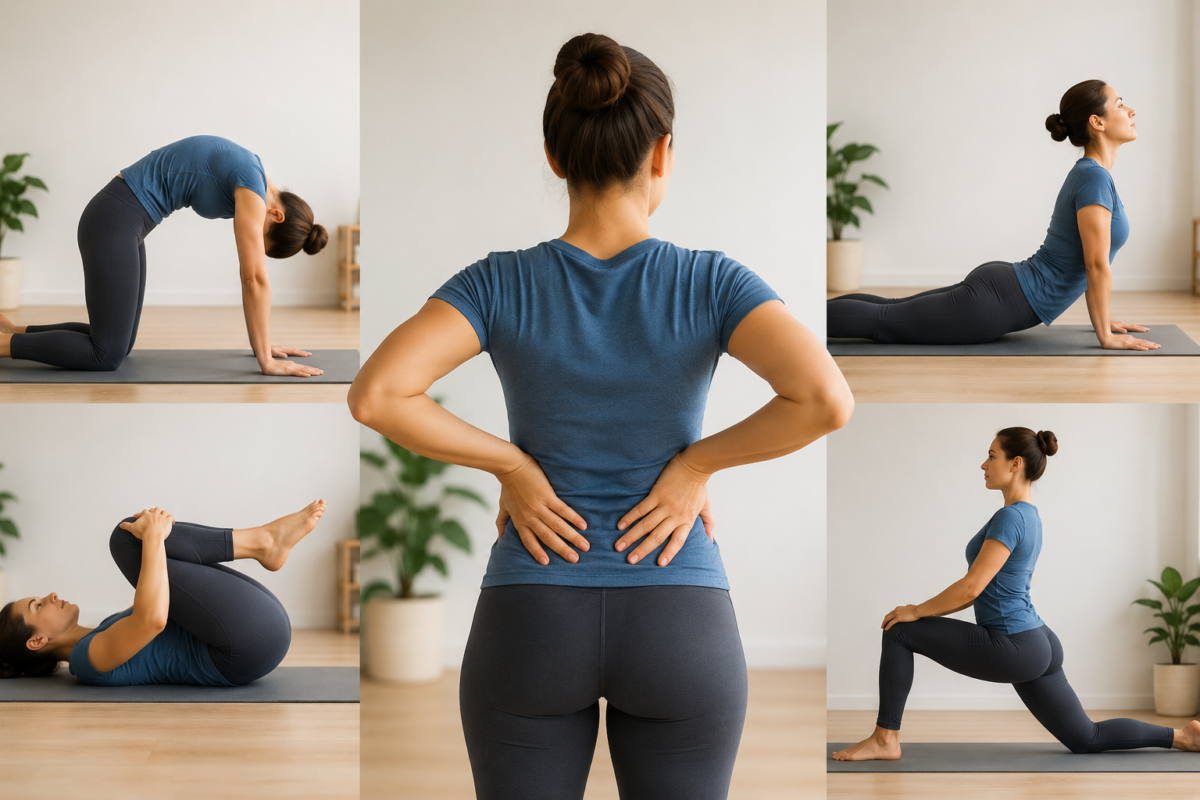
Instead of forcing a pop, focus on gentle mobilization and stabilization exercises. These alternatives are safer than SIJ self manipulation performed at home.

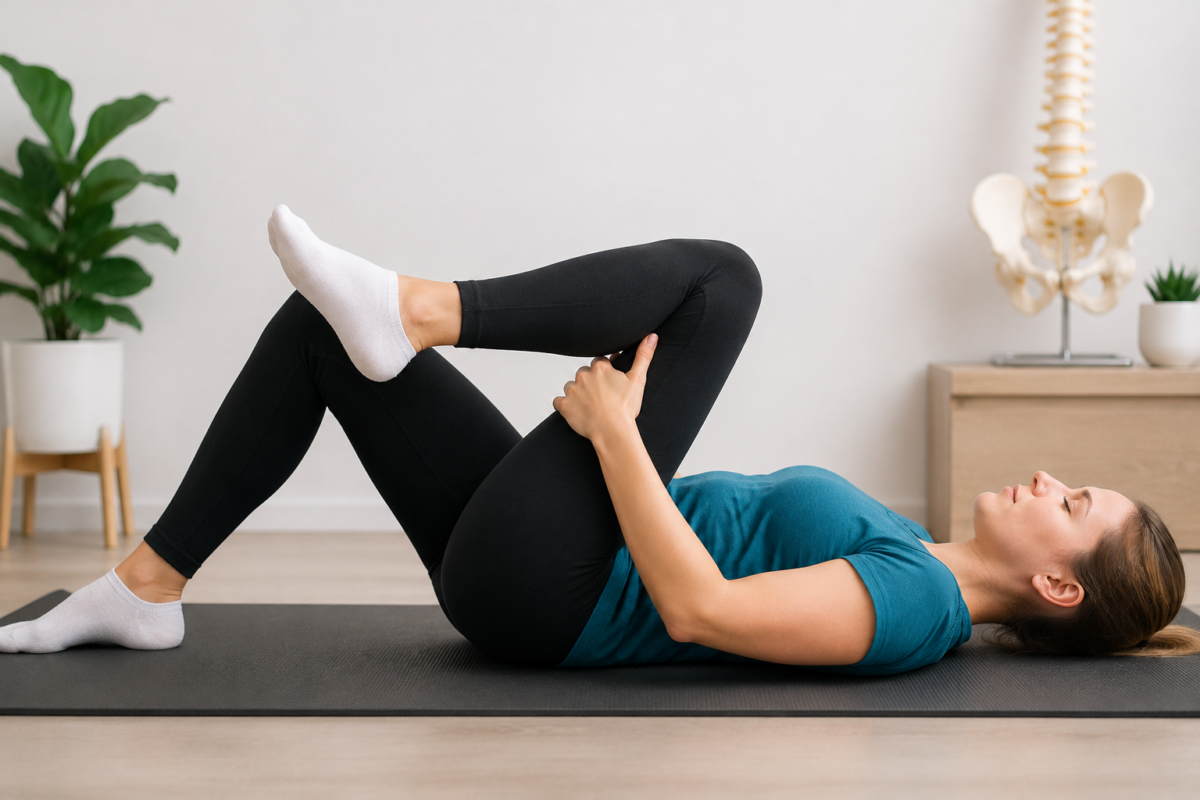
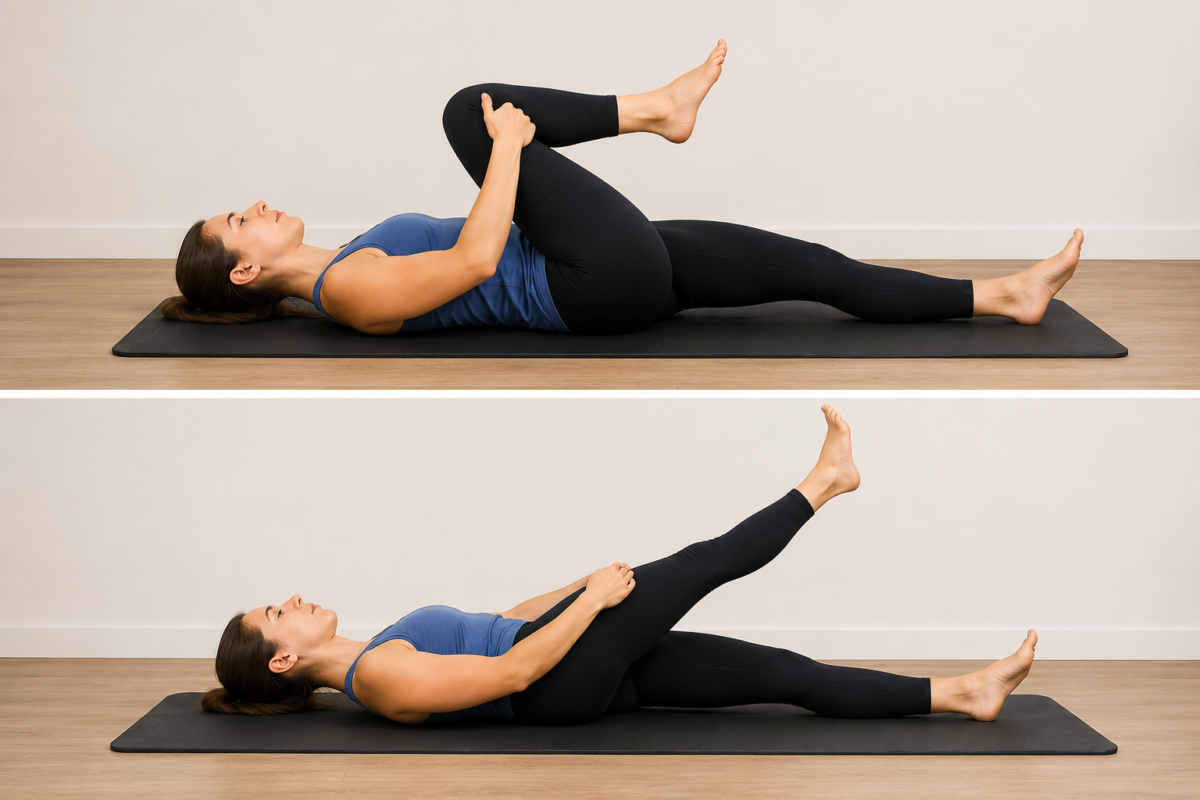
  • The Knee-to-Chest Stretch: Lie on your back and gently pull one knee toward your chest to subtly reset the pelvis.
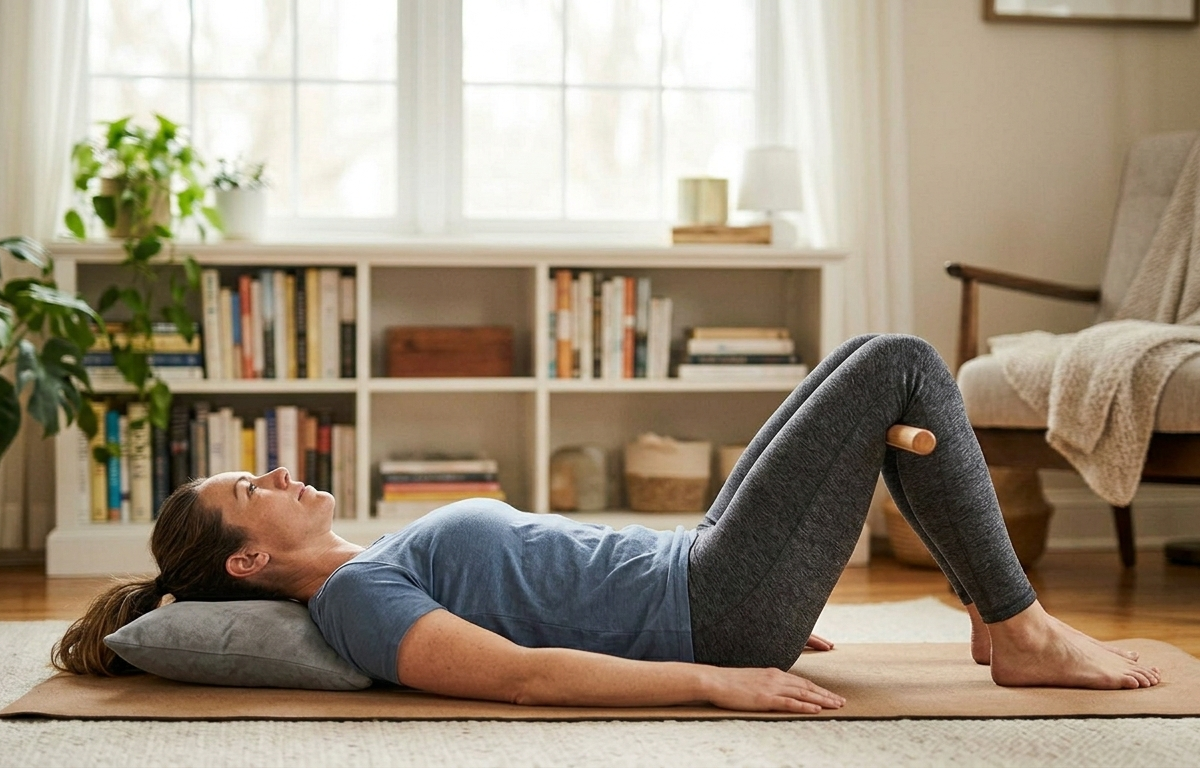
  • Glute Bridges: Squeeze your glutes and lift your hips to build the strength needed to keep the SI joint in its proper place.

Professional Care for Lasting Relief

If your pelvis constantly feels out of alignment, it is time to skip the self-manipulation and see a professional. Chiropractors use targeted, precise adjustments to restore proper alignment to the SI joint safely, without straining the surrounding ligaments. For anyone frustrated with SIJ manipulation on their own, professional help offers lasting relief.

Stop the cycle of temporary cracking and painful rebounds. Contact our clinic today to book a comprehensive pelvic assessment and find lasting, safe relief.

SIJ self manipulation 1 | Brighton Chiropractor

The Hidden Risks of SI Joint Self-Manipulation: Why “Self-Cracking” Hurts More Than It Helps

Have you ever stood up from your desk, twisted your hips, and welcomed that loud pop in your lower back? If you suffer from sacroiliac (SI) joint dysfunction, that SIJ self manipulation might feel like instant relief. However, trying to “self-crack” your pelvis at home could actually be prolonging your lower back pain and driving you closer to a chronic injury.

Understanding the true mechanics of sacroiliac relief reveals why professional chiropractic care is essential for lasting recovery. It is important to note that SIJ self manipulation carries hidden risks.

Why Self-Cracking Gives False Relief

The SI joints connect your spine to your pelvis, acting as crucial shock absorbers. When your pelvis feels tight or locked up, twisting to force a “pop” releases endorphins and temporarily stretches surrounding muscles.

However, you aren’t actually realigning the joint. Because the SI joint is tightly bound by dense ligaments, forcing a pop usually mobilizes the hypermobile joints above or below the problem area. This creates a cycle of temporary relief followed by recurring, deeper stiffness.

The Dangers of Pelvic Instability

Consistently practicing SI joint self-manipulation can lead to micro-trauma. Repeatedly forcing the joint beyond its normal range of motion stretches the supporting ligaments. Over time, this leads to ligament laxity, causing chronic pelvic instability, muscle spasms, and localized pain in the buttocks or groin that mimics sciatica. SIJ self manipulation increases your risk of these outcomes.

How Chiropractic Care Resolves SI Joint Pain

Instead of aggressive twisting at home, safe recovery requires precision. A licensed chiropractor uses targeted manual therapy to restore proper mechanics:

  • HVLA Adjustments: High-Velocity, Low-Amplitude thrusts precisely target the restricted joint without over-stretching the surrounding ligaments.
  • Gentle Mobilization: Low-force techniques gently guide the pelvis back into alignment.
  • Targeted Rehabilitation: Combining manual care with core-stabilizing exercises ensures the pelvis remains balanced and supported.

Stop the cycle of temporary fixes. Though it may be tempting, SIJ self manipulation is not a safe alternative to professional care. If you are struggling with stubborn lower back or hip pain, schedule a comprehensive pelvic evaluation today to find true, long-term relief.

Scalenes stretch | Brighton Chiropractor

Relief for Tight Necks: The scalenes stretch is one of the most effective techniques your Brighton chiropractor recommends.

Between hours spent hunched over laptops in Brighton’s bustling tech hubs and chilly coastal walks along the seafront, neck tension is a common complaint for local residents. If you constantly feel a deep, stubborn ache at the side of your neck, or if you struggle to turn your head when checking your blind spot on the A23, your scalene muscles might be the culprits. For many experiencing neck discomfort, learning how to perform a scalenes stretch can make a notable difference in daily comfort.

Understanding how to safely stretch these muscles can be a game-changer for your posture, breathing, and overall comfort. With regular practice, the scalenes stretch will support neck relief and enhance your range of movement.

What and Where Are the Scalenes?

The scalenes are a group of three paired muscles (anterior, middle, and posterior) located on either side of your neck. They connect your cervical spine to your first two ribs. Specifically, stretching the scalenes muscles through a targeted scalenes stretch can help with tension.

Because of their location, they play a double role: they help rotate and bend your neck, and they act as “accessory muscles” for breathing by lifting your ribcage when you inhale. When you are stressed, cold, or slouching, these muscles overwork, tighten up, and can even compress nearby nerves, leading to numbness or tingling down your arm. That’s exactly when incorporating a scalenes stretch might relieve tightness.

How to Safely Perform the Scalenes Stretch

To release tension and restore mobility, try this simple, targeted stretch at your desk or home. This scalenes stretch routine is safe and effective for most people.

  1. Sit Tall: Sit upright in a supportive chair with your shoulders dropped down and relaxed.
  2. Anchor Your Ribs: Take your right hand and place it firmly over your left collarbone, applying gentle downward pressure to anchor the first rib. Performing a scalenes stretch correctly helps maximize the benefits.
  3. Tilt and Rotate: Gently tilt your right ear toward your right shoulder. To target the different strands of the scalenes, slowly rotate your chin upward toward the ceiling.
  4. Hold and Breathe: Hold this position for 20 to 30 seconds, taking deep, slow breaths into your belly rather than your chest. Repeat on the opposite side.

Important Tip: Never force a neck stretch. You should feel a gentle, lengthening pull, not a sharp or radiating pain.

When to Seek Professional Chiropractic Care in Brighton

While stretching provides excellent daily maintenance, chronic scalene tightness is often a symptom of an underlying structural issue, such as a misaligned cervical spine or poor rib mobility. In these cases, a scalenes stretch is beneficial, but a chiropractor’s expertise is also necessary.

If your neck tightness is accompanied by headaches, shoulder pain, or tingling in your fingers, a tailored assessment is necessary. At our Brighton chiropractic clinic, we focus on locating the root cause of your discomfort, combining precise spinal adjustments with soft tissue therapy to get you moving freely again. In addition, we may recommend a guided scalenes stretch as part of your care plan.

Don’t let neck pain hold you back from enjoying life on the coast. Contact our Brighton team today to book your comprehensive spinal evaluation.

Book your appointment today at https://ccsussex.co.uk/chiropractic-appointment-brighton/

CC Sussex logo in blue and orange - no text

Trapezius stretch | Brighton Chiropractor

Soothe Neck and Shoulder Tension: The Trapezius Stretch Your Brighton Chiropractor Recommends

Why Your Trapezius Muscles Become Tight

Whether you spend hours working in a café in The Lanes or carry a heavy rucksack along Brighton beach, your shoulders work hard every day. As a result, tension can quickly build up in your neck and upper back.

If you often feel a burning ache at the base of your neck or across the tops of your shoulders, tight trapezius muscles could be the cause. Fortunately, a simple stretch can help reduce discomfort and improve mobility.

Understanding the Trapezius Muscle

The trapezius is a large, kite-shaped muscle that runs from the base of your skull, across your shoulders, and down the middle of your back. It supports posture and helps control neck and shoulder movement.

However, modern lifestyles place a lot of strain on this muscle. For example, poor desk posture, long periods of driving, and frequent smartphone use can all increase muscle tension. In addition, cold coastal winds often cause people to hunch their shoulders, creating even more tightness. Over time, this tension can contribute to headaches, neck pain, and restricted movement.

How to Perform the Seated Upper Trapezius Stretch

You can perform this stretch at home, in the office, or almost anywhere you have a chair.

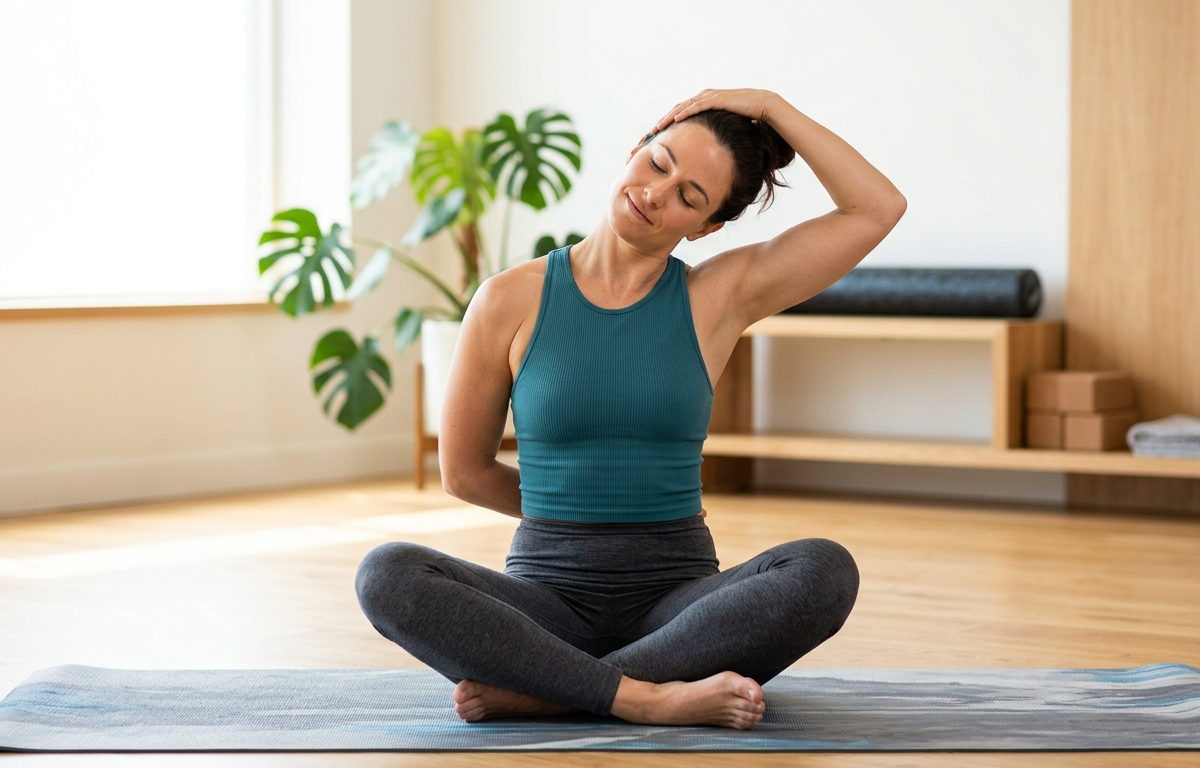
1. Set Your Posture

First, sit upright in a chair. Then place your left hand underneath the seat to keep your left shoulder relaxed and anchored.

2. Tilt Your Head

Next, slowly lower your right ear toward your right shoulder. Keep your shoulders level throughout the movement.

3. Increase the Stretch

Then place your right hand gently on top of your head. Apply light pressure to deepen the stretch along the left side of your neck.

4. Hold and Breathe

Finally, hold the position for 20 to 30 seconds while taking slow, deep breaths. After that, repeat the stretch on the opposite side.

When to See a Brighton Chiropractor

Although stretching can provide immediate relief, recurring tension often signals an underlying problem. For example, joint restrictions in the neck or upper back can cause trapezius tightness to return repeatedly.

If neck and shoulder tension continues to affect your daily life, a Brighton chiropractor can help. Through a detailed assessment, targeted spinal adjustments, and soft-tissue therapy, chiropractic care can address the source of the problem and help you move more comfortably.

Book your appointment now https://ccsussex.co.uk/chiropractic-appointment-brighton/

Rhomboid Stretch | Brighton Physiotherapist

Rhomboid Stretch | Brighton Physiotherapist. Our Physiotherapist Lola demonstrates an easy and effective rhomboid stretch for you to try at home. Practicing the rhomboid stretch regularly is recommended by your Brighton physiotherapist for maintaining shoulder blade health.

Relieve Upper Back Tension: The Best Rhomboid Stretch for Lasting Desk Relief

If you spend your days working at a desk in Brighton, chances are you are intimately familiar with that nagging ache right between your shoulder blades. This discomfort often stems from the rhomboids—the crucial muscles responsible for pulling your shoulder blades back toward your spine. When you slouch over a computer or steering wheel, these muscles become chronically overstretched, weak, and tight, leading to stubborn upper back pain and tension headaches. However, learning the rhomboid stretch | Brighton Physiotherapist recommends can support your posture and alleviate these aches.

While regular chiropractic care is essential for correcting the underlying spinal misalignments that cause this tension, performing a targeted rhomboid stretch at home can provide fantastic daily relief. For best results, follow the guidance of a Brighton physiotherapist when adding this stretch to your routine.

How to Perform the Seated Rhomboid Stretch

This simple yet effective stretch can be done right at your office desk:

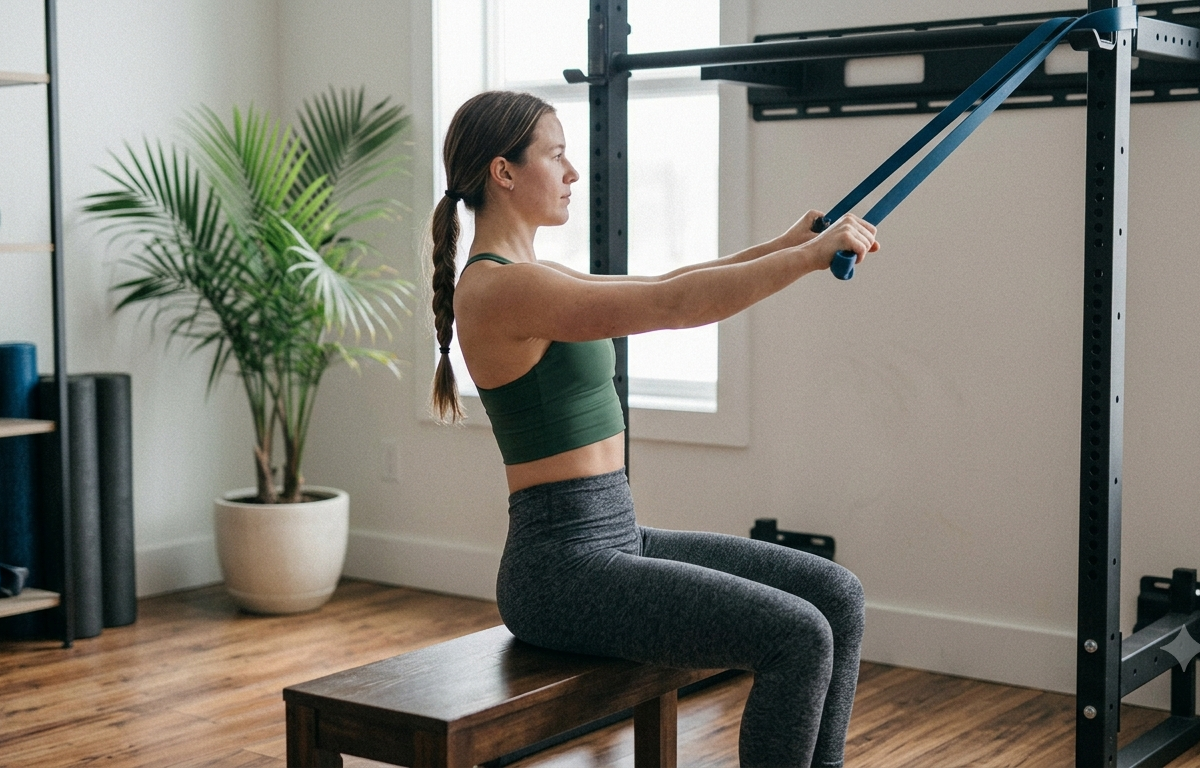
  1. Sit up tall on a chair with your feet flat on the floor.
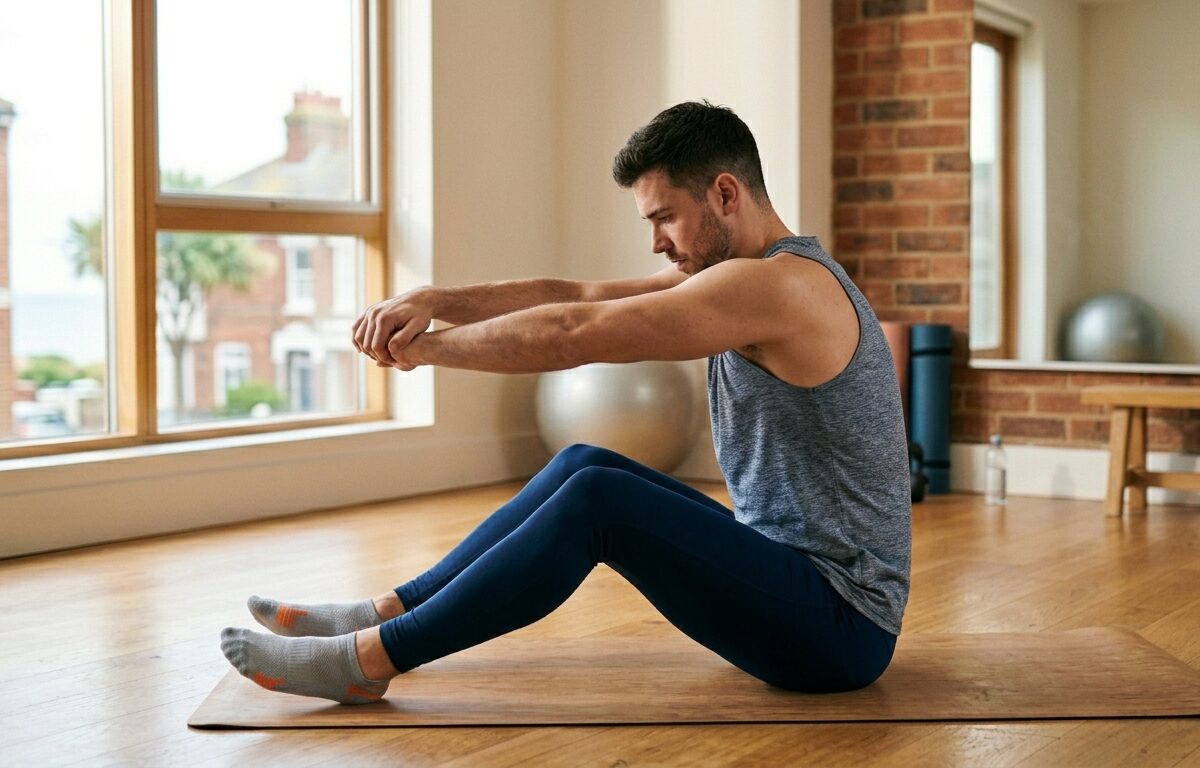
  2. Interlace your fingers in front of you at chest height, palms facing your body.
  3. Push your hands straight out away from you, pressing your palms forward as you gently round your upper back.
  4. Tuck your chin slightly toward your chest to feel the deep stretch open up the space between your spine and your shoulder blades.
  5. Hold this position for 20 to 30 seconds, breathing deeply into your upper back. Repeat 3 times.

Boost Your Recovery with Professional Care

Stretching is a powerful tool to maintain flexibility, but if your upper back pain keeps returning, it usually indicates a deeper structural issue. Misalignments in the thoracic spine or rib cage can trap the rhomboid muscles in a state of constant spasm. Therefore, the support of a Brighton physiotherapist is vital when performing a rhomboid stretch for long-term results.

As a trusted Brighton chiropractor, we specialize in gentle, targeted adjustments that restore proper spinal alignment, reduce nerve irritation, and alleviate muscular strain. Combining regular adjustments with targeted stretching allows your body to heal naturally and maintains your mobility.

Don’t let upper back stiffness hold you back from enjoying coastal life. Contact our Brighton clinic today to book your consultation.

Book your appointment now https://ccsussex.co.uk/chiropractic-appointment-brighton/

Rhomboid Stretch | Brighton Physiotherapist

Rhomboid Stretch | Brighton Physiotherapist. Our Physiotherapist Lola Demonstrates an easy Rhomboid stretch you can do at home or at your desk to relieve pain. In this guide, you’ll learn why the Rhomboid Stretch | Brighton Physiotherapist method can be so effective.

Say Goodbye to Knotty Shoulder Blades: The Essential Rhomboid Stretch for Brighton Desk Workers

If you work a desk job in Brighton, you are likely all too familiar with that stubborn, burning ache right between your shoulder blades. This area is home to the rhomboid muscles, which are responsible for stabilizing your shoulder blades and maintaining good posture. Notably, the Rhomboid Stretch | Brighton Physiotherapist approach can help address this discomfort.

When you spend hours hunched over a laptop at a local café or commuting along the coast, these muscles get locked into a chronically overstretched and weakened position. The result? Persistent knots, upper back stiffness, and tension that radiates up into your neck. If this sounds familiar, remember that consulting a Brighton physiotherapist for rhomboid stretch guidance is especially beneficial in these cases.

While targeted adjustments from a chiropractor are vital to fix the root underlying issues, performing a focused rhomboid stretch throughout your workday can offer immense daily relief. For ongoing support, consider referring to the Rhomboid Stretch | Brighton Physiotherapist resource for the best technique.

How to Do the Seated Rhomboid Reach

This discreet, highly effective stretch can be done right at your desk to instantly open up your upper back:. As part of the Rhomboid Stretch protocol recommended by a Brighton physiotherapist, this technique is safe and easy to perform anywhere.

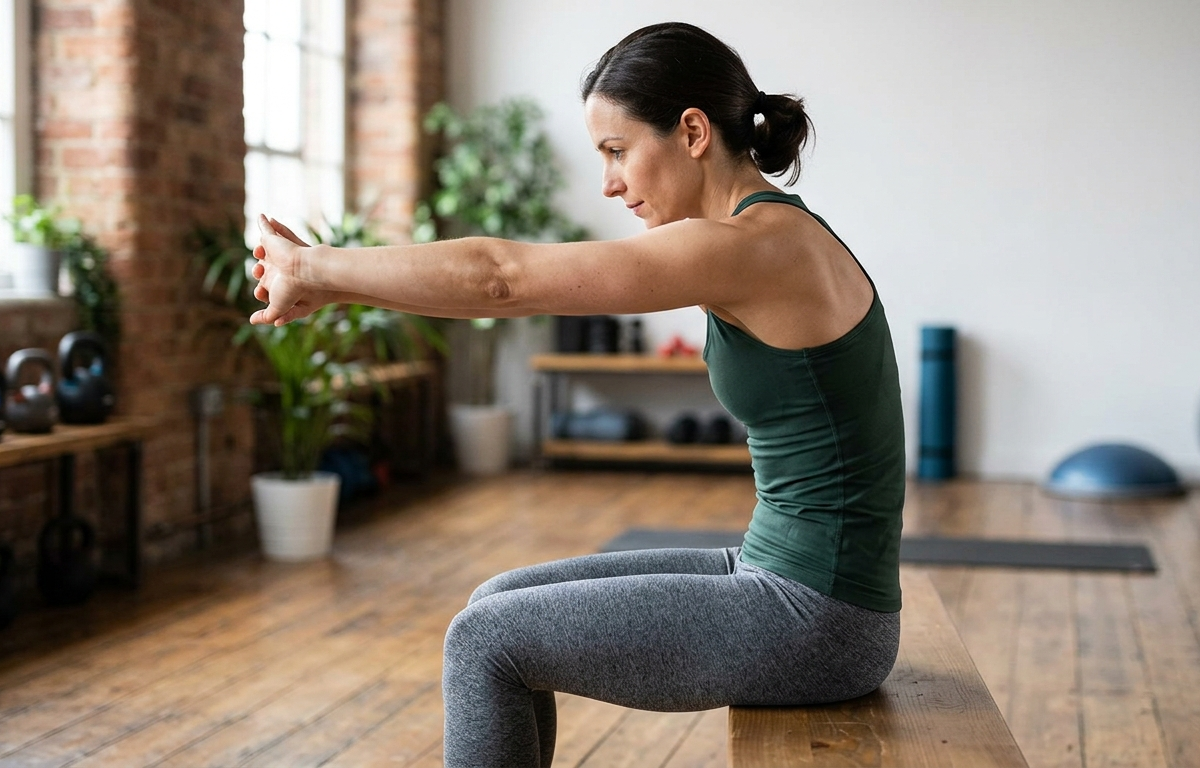
  • Sit Tall: Sit on the edge of your chair with your feet flat on the floor and your spine elongated.
  • Interlace and Push: Interlace your fingers directly in front of your chest, turning your palms so they face away from you.
  • Round and Reach: Press your hands forward as hard as you comfortably can while simultaneously rounding your upper back backward. Imagine creating as much distance as possible between your spine and your hands.
  • Drop Your Head: Gently tuck your chin toward your chest to feel the stretch extend up into the base of your neck.
  • Breathe deeply: Hold this position for 20 to 30 seconds, taking slow, deep breaths into the space between your shoulder blades. Repeat 3 times.

Unlock Lasting Relief with Brighton Chiropractic Care

Stretching provides excellent temporary relief, but if your upper back tension keeps coming back day after day, it usually points to a deeper mechanical issue. Misalignments in the thoracic spine or rib cage can physically trap your rhomboids in a state of chronic spasm. To sum up, using the Rhomboid Stretch | Brighton Physiotherapist tips can make a substantial difference in recovery.

At our Brighton chiropractic clinic, we don’t just treat the muscular symptoms; we address the underlying structural cause. Through gentle spinal adjustments, we restore proper joint mobility, remove pressure from irritated nerves, and allow your upper back muscles to finally relax.

If you are ready to stop managing the pain and start correcting it, reach out to our team today to schedule your comprehensive spinal assessment. Let’s get you moving freely again!