Core Chiropractic Brighton, 2 Circus Parade, New England Road, Brighton, BN1 4GW
01273 933 170

Category Archives: LEGS + FEET

Peroneus Stretch | Brighton Physiotherapy

Peroneus Stretch | Brighton Physiotherapy

The peroneus stretch is an important exercise used to improve flexibility and relieve tension in the peroneal muscles, which are located along the outer side of the lower leg. These muscles, called the peroneus longus and peroneus brevis, play a major role in stabilizing the ankle and supporting foot movement during activities such as walking, running, jumping, and balancing. Because these muscles are heavily involved in daily movement, they can become tight or overworked, especially in athletes, runners, dancers, or individuals who spend long periods standing. If you’re interested in learning more about the benefits and proper technique of the Peroneus Stretch, the following guide will explain how to safely and effectively perform it.

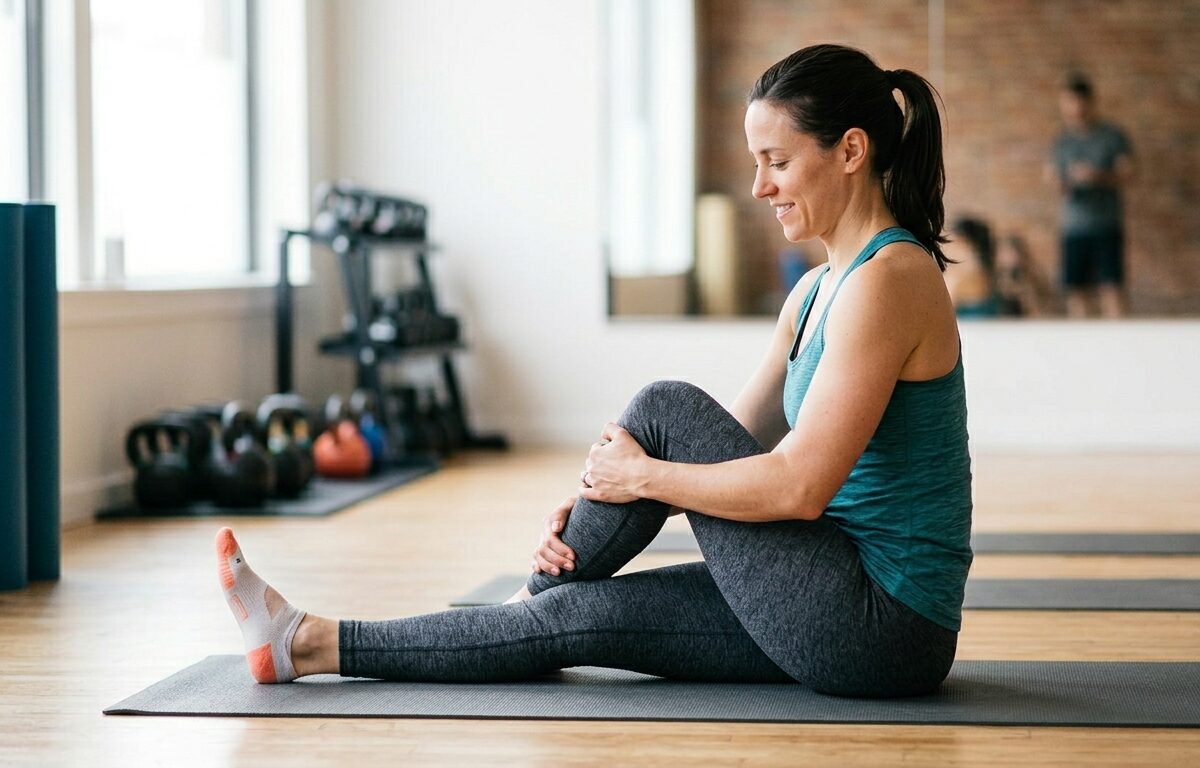
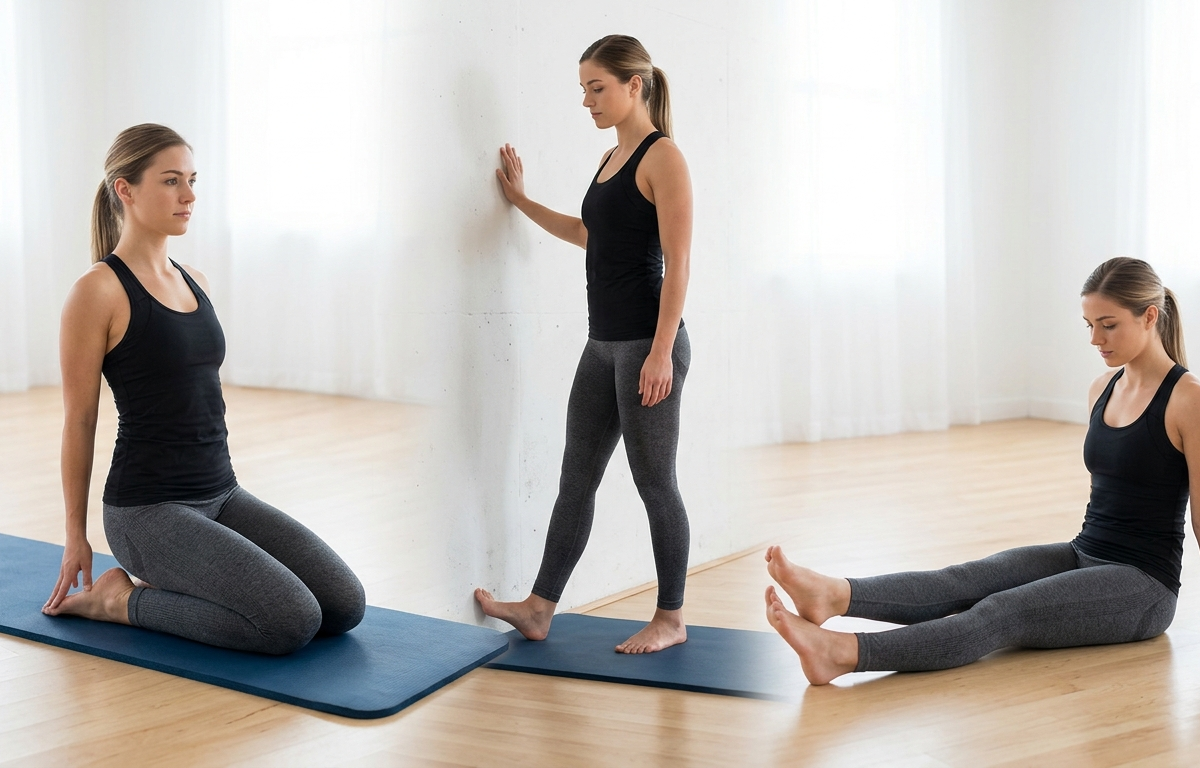
One of the most common ways to perform the peroneus stretch is by sitting on the floor with both legs extended. The ankle is gently rotated inward while the toes are pointed slightly downward. This movement stretches the outer calf and ankle region where the peroneal muscles are located. The stretch should be held for around 20 to 30 seconds and repeated several times on each leg. Proper breathing and controlled movement are important to avoid strain or discomfort. The stretch should feel mild and relaxing rather than painful.

Regular practice of the peroneus stretch offers several physical benefits. It helps increase flexibility and range of motion in the ankle joint, which can improve balance and overall movement efficiency. Stretching the peroneal muscles may also reduce the risk of ankle sprains and muscle tightness caused by overuse. In rehabilitation settings, the stretch is often recommended after minor ankle injuries to restore mobility and support recovery.

In addition to injury prevention, the peroneus stretch can improve circulation and reduce muscle fatigue after exercise. It is commonly included in warm-up and cool-down routines for sports and fitness activities. By maintaining flexible and healthy peroneal muscles, individuals can support better posture, stability, and lower-leg function. Consistently performing this simple stretch contributes to long-term ankle health and improved physical performance in everyday activities and athletic movement.

Seated Figure Four Stretch | Brighton Physiotherapy

Seated Figure Four Stretch | Brighton Physiotherapy

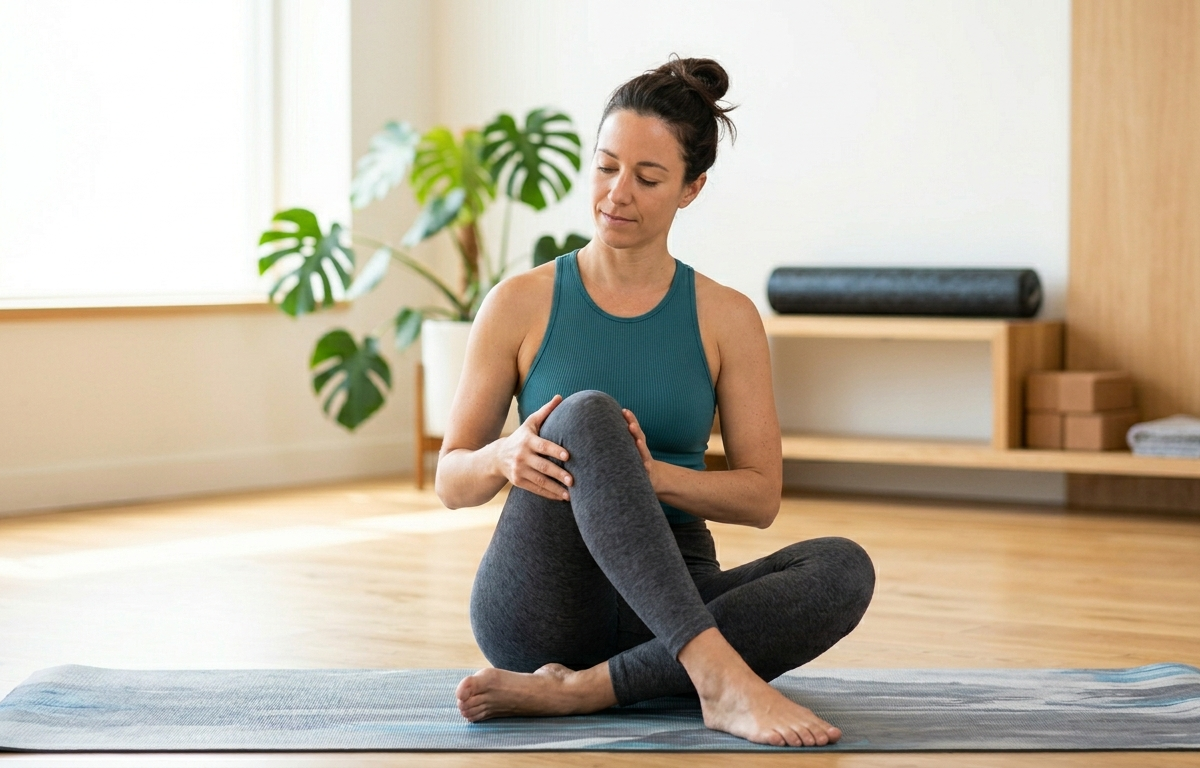
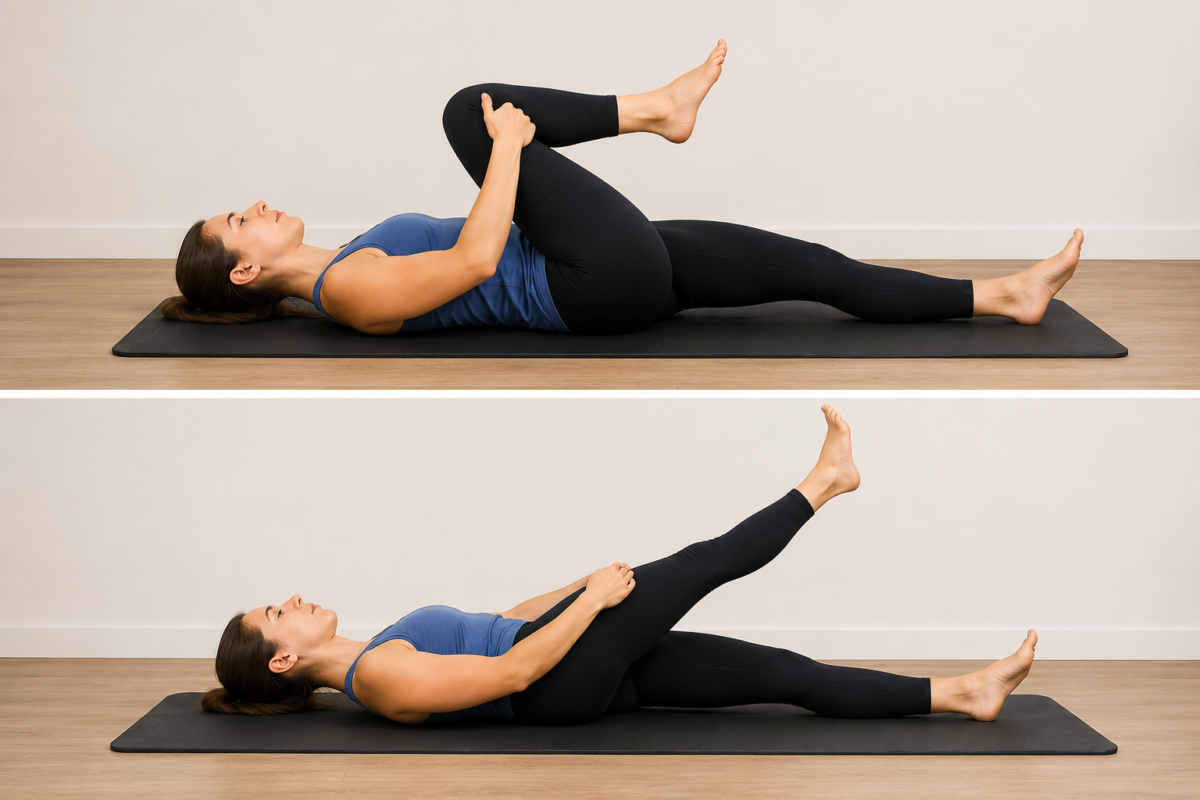
Brighton Physiotherapy: The Seated Figure Four Stretch is a highly effective mobility exercise frequently recommended by Brighton Physiotherapy professionals to relieve tension in the hips, glutes, and lower back. This simple stretch is particularly beneficial for people experiencing hip tightness, piriformis discomfort, sciatica symptoms, or stiffness caused by prolonged sitting. At Brighton Physiotherapy clinics, the Seated Figure Four Stretch is commonly included in rehabilitation programmes designed to improve flexibility, mobility, and overall movement quality.

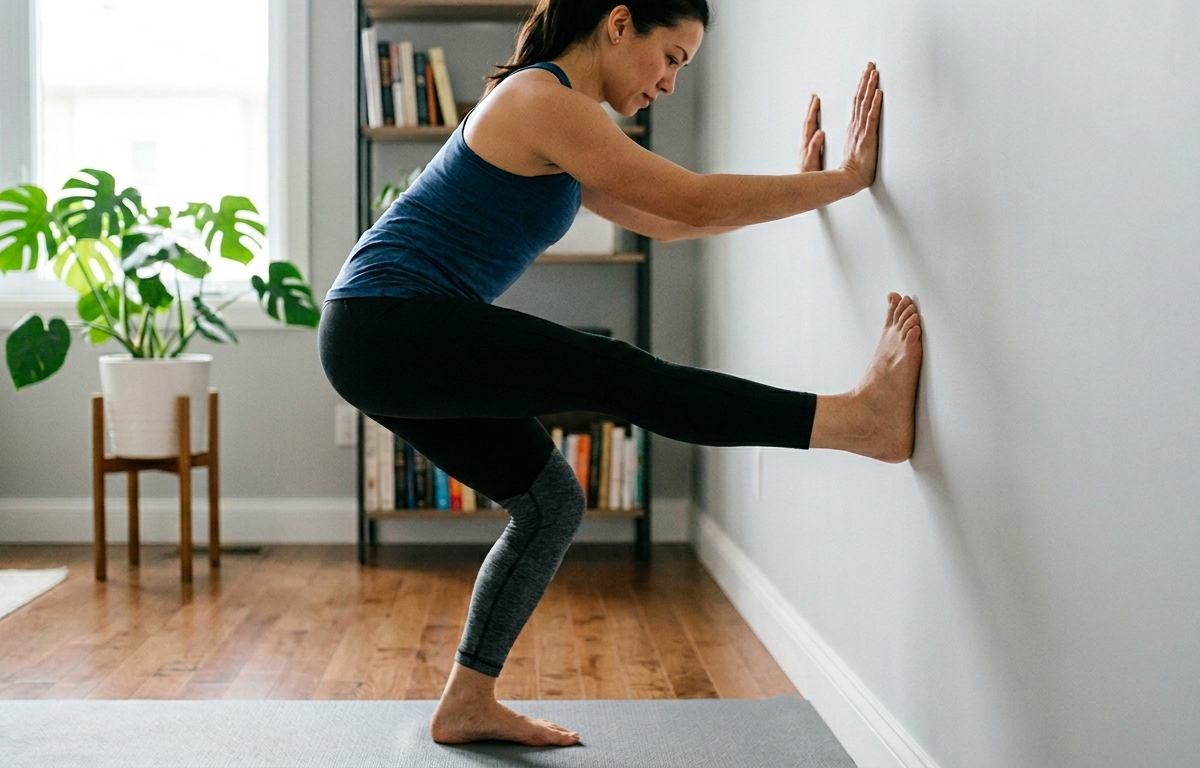
To perform the exercise, sit upright in a chair with both feet flat on the floor. Cross one ankle over the opposite knee to create a “figure four” position. Keeping your back straight, gently lean forward from the hips until you feel a comfortable stretch in the buttock and outer hip area. Hold the stretch for 20–30 seconds while maintaining steady breathing, then slowly return to the starting position before switching sides. Brighton Physiotherapy specialists recommend repeating the stretch several times daily to help improve hip mobility and reduce muscular tension.

The Seated Figure Four Stretch is widely used in Brighton Physiotherapy treatment plans because it is safe, low impact, and suitable for most fitness levels. It is especially helpful for office workers, runners, cyclists, and individuals recovering from lower back or hip injuries. Regular stretching can support better posture, increase flexibility, and reduce pressure on the lower spine and surrounding muscles.

At Brighton Physiotherapy, patients are guided on the correct technique to ensure the stretch is performed safely and effectively. Proper form is essential to maximise results and minimise strain. Incorporating the Seated Figure Four Stretch into a daily routine may help prevent recurring discomfort and improve long-term joint health.

If you experience ongoing hip pain, reduced mobility, or lower back discomfort, the experienced team at Brighton Physiotherapy can provide personalised assessment and treatment to support your recovery and physical wellbeing.

Terminal Knee Extension | Brighton Physiotherapy

Terminal Knee Extension | Brighton Physiotherapy

Master the Terminal Knee Extension: The Key to Knee Stability in Brighton

Whether you’re recovering from an injury or looking to strengthen your legs for hikes along the South Downs, the Terminal Knee Extension (TKE) is a vital exercise. At Core Clinics, our Brighton physiotherapists and chiropractors frequently prescribe TKEs to patients struggling with knee instability, ACL recovery, or “runner’s knee.”


What is Terminal Knee Extension?

Terminal Knee Extension refers to the final few degrees of straightening the leg. While it may seem like a small movement, these last 0 to 15 degrees are critical for activating the Vastus Medialis Obliquus (VMO)—the teardrop-shaped muscle on the inner thigh. This muscle is responsible for tracking the kneecap correctly and ensuring the joint locks securely when standing.

How to Perform a TKE with a Resistance Band

To perform this effectively at home or in our Brighton clinic, follow these steps:

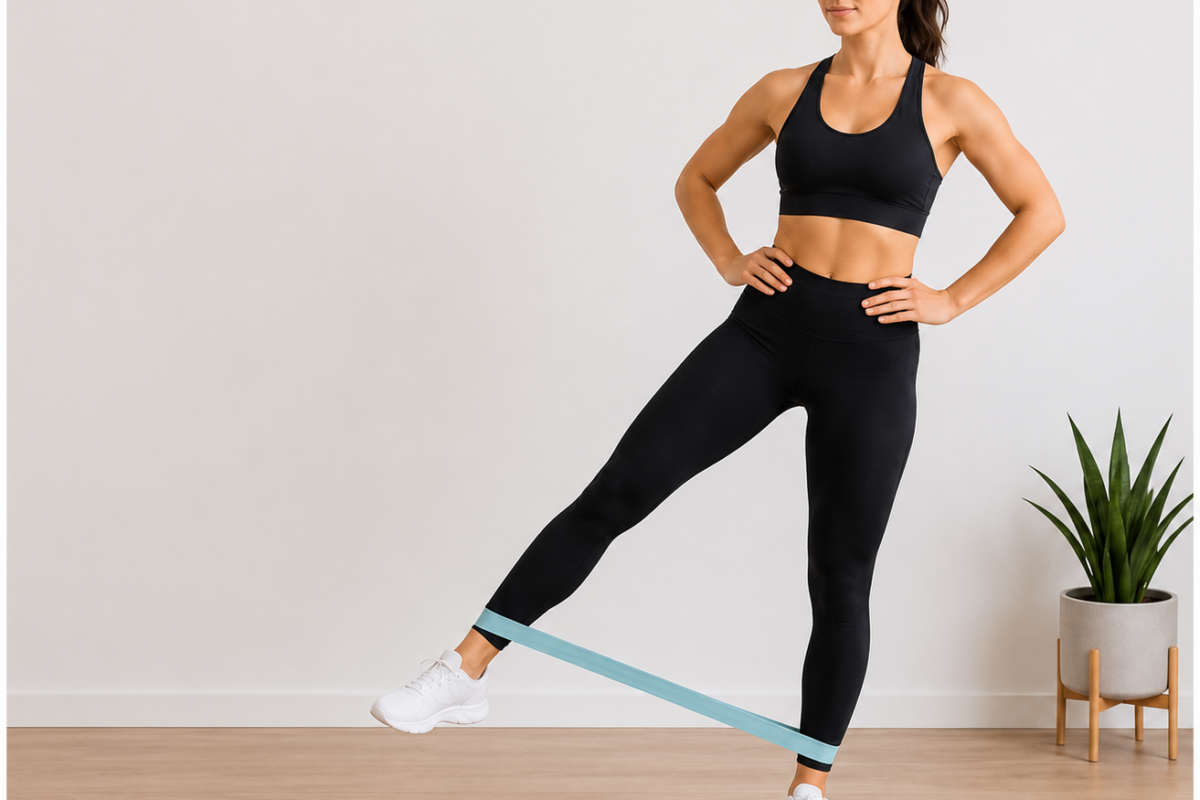
  1. The Setup: Anchor a sturdy resistance band to a fixed point (like a heavy table leg) at knee height.
  2. The Position: Step into the loop with your target leg, placing the band just behind the back of the knee. Face the anchor point so there is tension on the band.
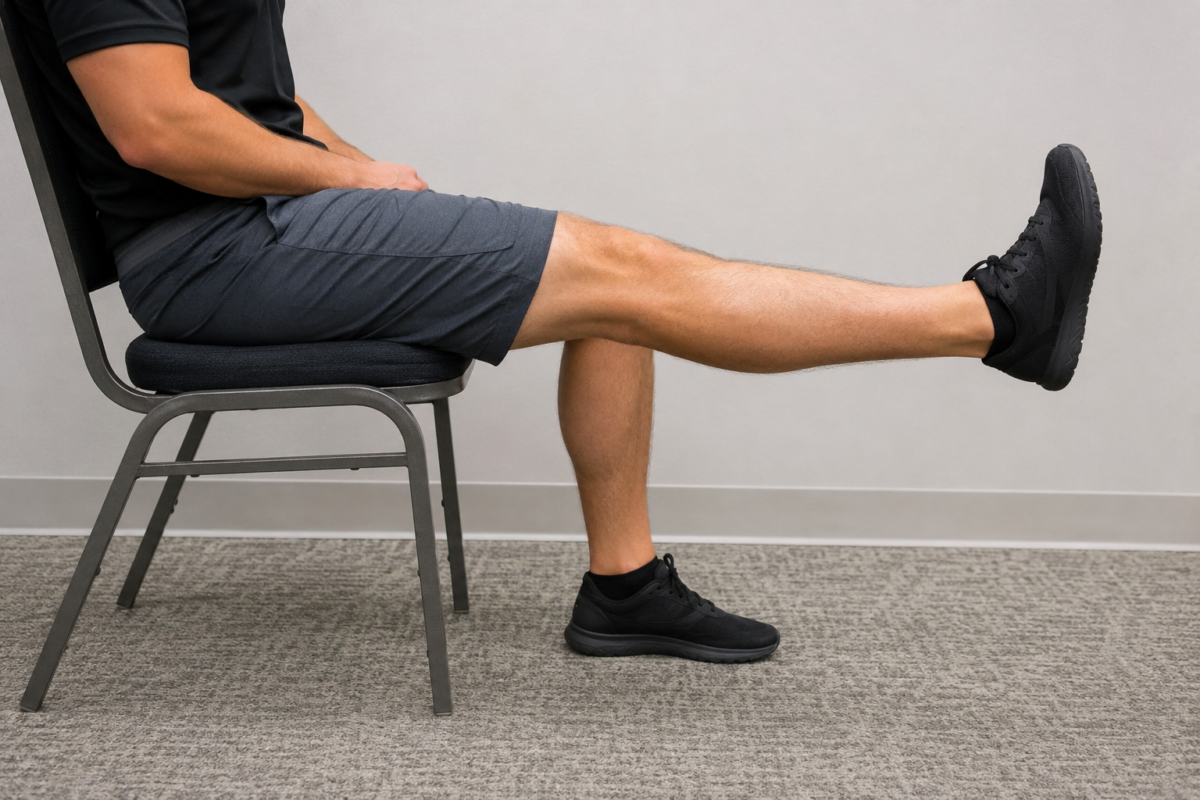
  3. The Movement: Start with your knee slightly bent and your heel on the floor. Slowly straighten your leg by pushing your knee back against the resistance of the band until your leg is fully straight.
  4. The Squeeze: Contract your quadriceps firmly at the top of the movement for two seconds.
  5. Repetitions: Perform 3 sets of 15 reps per leg.

Why Brighton Residents Need TKEs

Brighton’s unique landscape—from the steep inclines of Hanover to the uneven pebbles on the beach—places high demands on our knees. TKEs provide “functional” strength that translates directly to walking, climbing stairs, and downhill running.

Physio Tip: Avoid “locking” the knee back with momentum. The movement should be slow, controlled, and driven entirely by the muscles in your thigh.

Reclaim Your Knee Health

If you experience clicking, giving way, or persistent discomfort, a targeted exercise like the TKE might be your first step toward recovery. At Core Clinics, we combine advanced diagnostics with personalized rehab plans to keep you moving.

Contact Core Clinics Brighton today to book an assessment and ensure your knees are performing at their peak.

Do you experience more knee discomfort when walking uphill or descending stairs?

Toe stretching | Brighton Chiropractor

Why Toe Stretching is the Best Foot Forward for Your Health

When you think of chiropractic care, your mind probably goes straight to spinal adjustments and neck alignments. But at our Brighton clinic, we look at the whole picture—and that picture starts right at the bottom with your feet. Specifically, your toes are central, and toe stretching is a focus at Brighton Chiropractor clinics.

If you spend your days walking down the Lanes or commuting across Sussex, your feet take a beating. Jamming them into tight shoes can lead to issues that ripple all the way up your body. That’s where toe stretching comes in, especially when supported by a Brighton chiropractor specialist. Also, toe stretching at a Brighton Chiropractor has proven effective for foot care.

The Benefits of Toe Stretching

Toe stretching is a simple yet powerful practice that restores natural alignment, improves flexibility, and strengthens the muscles in your feet. As recommended by your Brighton chiropractor, regularly spreading and lengthening your toes offers unique benefits. By regularly spreading and lengthening your toes, you can:

  • Relieve Plantar Fasciitis: Stretching releases tension in the connective tissue beneath your foot.
  • Improve Balance and Posture: A wider base of support means better stability on Brighton’s uneven pavements.
  • Alleviate Lower Back Pain: Misaligned feet change how you walk, which places extra stress on your knees, hips, and spine.

Did you know? Your feet contain 26 bones and 33 joints. When they are stiff, your spine has to compensate for the lack of shock absorption.

How to Do It

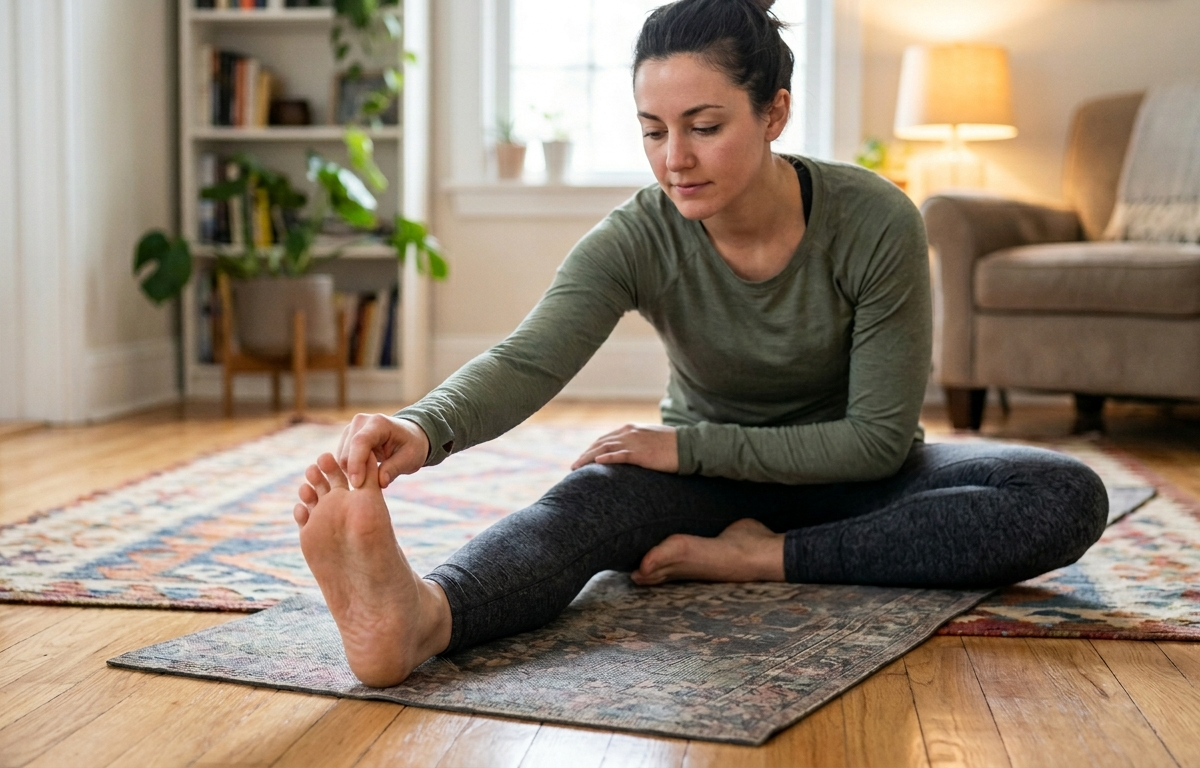
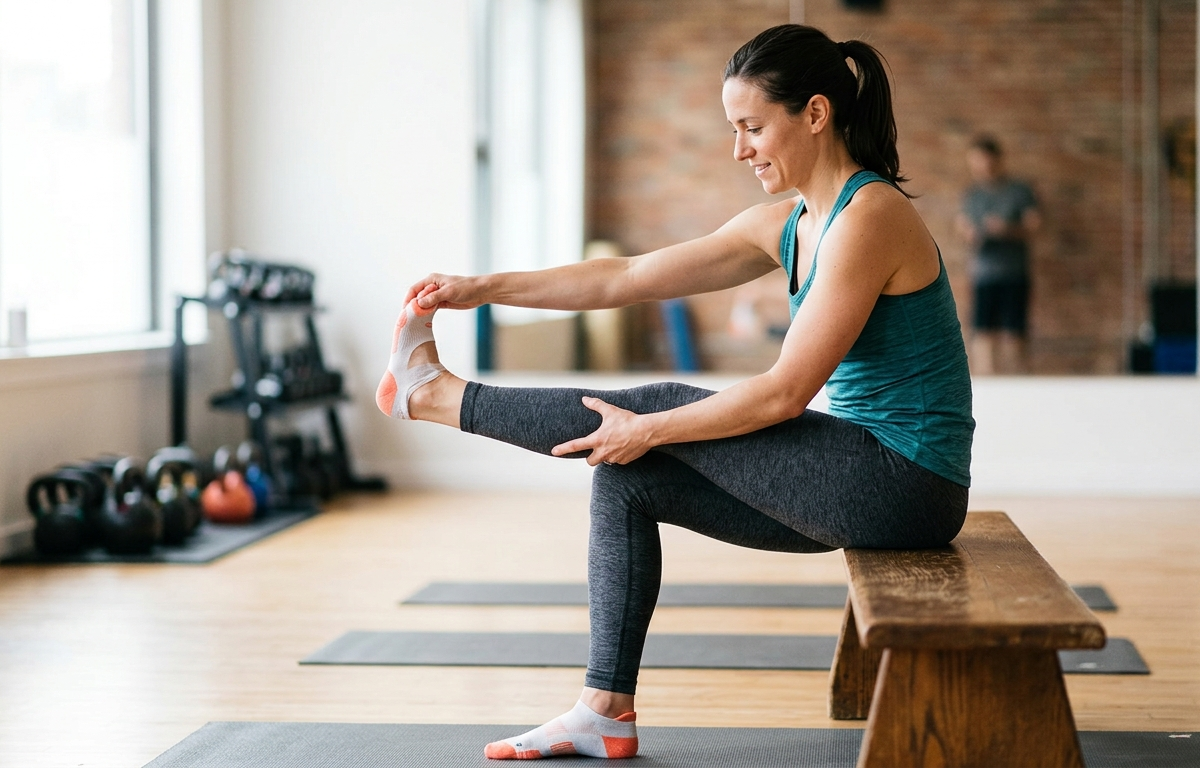
You don’t need fancy equipment to start. Try the Interlace Technique: sit comfortably, take your fingers, and weave them between your toes. Gently squeeze and stretch them apart for 30 seconds. Alternatively, invest in a pair of silicone toe separators to wear while relaxing at home. Moreover, for toe stretching guidance in Brighton, a chiropractor can assist you. In case you need support, Brighton Chiropractor clinics offer expert advice on toe stretching for locals.

Visit Our Brighton Chiropractic Clinic

Healthy movement starts from the ground up. If you are struggling with foot discomfort, nagging back stiffness, or postural issues, toe stretching is a great home remedy—but professional care makes the real difference. In summary, combining toe stretching practices with insight from a Brighton chiropractor enhances outcomes. In fact, many Brighton Chiropractor patients report measurable improvement after regular toe stretching routines. For those interested, Brighton Chiropractor specialists highlight the value of toe stretching as a foundational step.

Our experienced Brighton chiropractors are here to help you find long-term relief.

Book your consultation today https://ccsussex.co.uk/chiropractic-appointment-brighton/

1 2 3 9