
Core Chiropractic Brighton, 2 Circus Parade, New England Road, Brighton, BN1 4GW
01273 933 170

Category Archives: LEGS + FEET

Standing Hamstring Stretch | Brighton Physiotherapist

Standing Hamstring Stretch | Brighton Physiotherapist. This post will focus on the Standing Hamstring Stretch | Brighton Physiotherapist technique. Lola demonstrates a simple standing hamstring stretch variation that is recommended by your Brighton physiotherapist. If you are searching for an effective way to include the Standing Hamstring Stretch in your routine, this guide is for you.

Master the Standing Hamstring Stretch: A Brighton Physiotherapist’s Guide

Whether you are a regular runner on the Brighton seafront or someone spending long hours at a desk in the city centre, tight hamstrings are a common complaint. At Brighton Physiotherapy, we see many patients whose lower back pain or knee discomfort stems from “shortened” hamstring muscles. The Standing Hamstring Stretch is a simple, effective way to restore length and mobility to the back of your legs.


Why Hamstring Flexibility is Critical

Your hamstrings aren’t just for bending your knees; they play a massive role in pelvic alignment. When these muscles are overly tight, they pull down on the sit-bones, causing the pelvis to tilt posteriorly. Incorporating a standing stretch for your hamstring helps reduce chronic lumbar strain.

For the active Brighton community—from the cyclists tackling the South Downs to the weekend footballers at Preston Park—maintaining hamstring elasticity is the first line of defense against muscle tears and strains. Additionally, many benefit from regularly practicing stretches for hamstring muscles while standing.

How to Perform the Standing Hamstring Stretch

To get the most out of this stretch without risking injury, follow these steps:

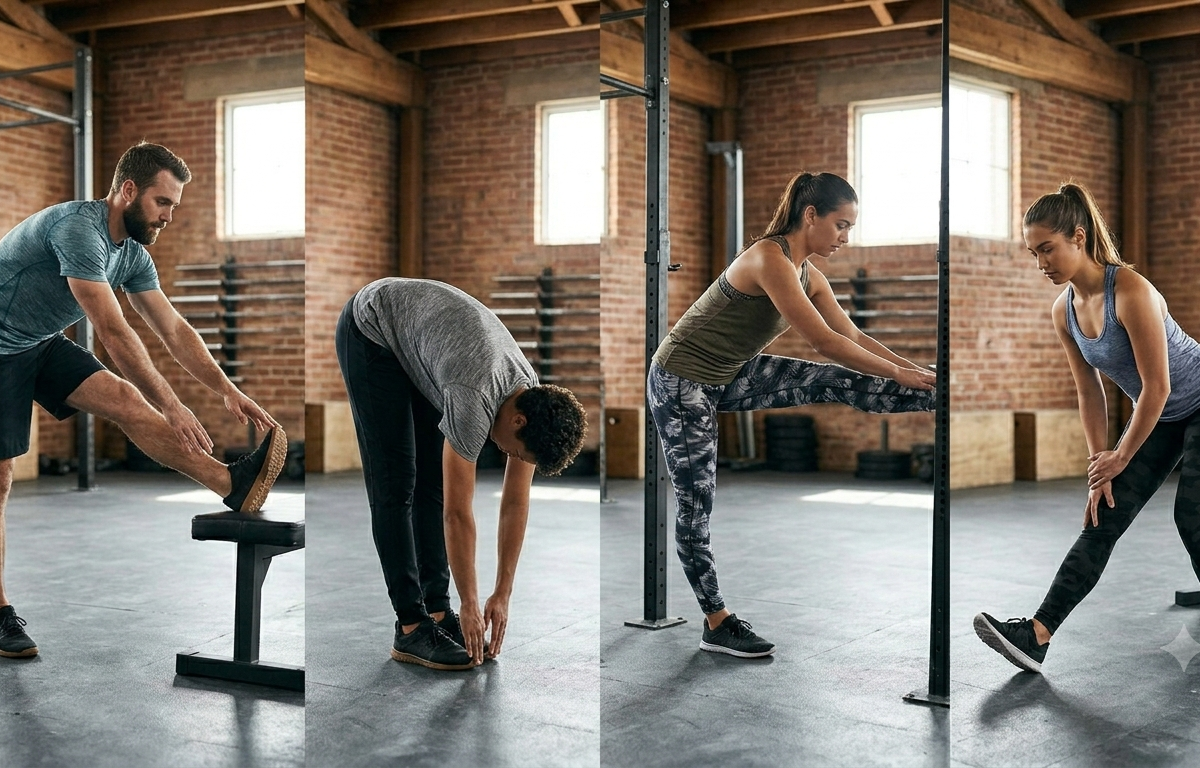
  1. Find a Stable Support: Stand tall and place the heel of your target leg on a low step, chair, or curb.
  2. The “Toes Up” Rule: Keep your toes pointing toward the sky and your knee straight (but not locked).
  3. Hinge, Don’t Round: This is the most important part. Instead of reaching for your toes by rounding your spine, hinge forward at the hips. Keep your chest tall and your back flat. Performing the stretch with correct technique is what defines a proper hamstring standing stretch.
  4. Feel the Tension: You should feel a pull along the back of your thigh, not behind the knee.
  5. Hold: Maintain the stretch for 30–60 seconds, breathing deeply, then switch legs.

The Benefits

  • Reduced Lower Back Pain: By releasing the pull on the pelvis.
  • Injury Prevention: Essential for sprinting and explosive movements.
  • Better Posture: Helps correct the “desk-slouch” habit. This can be achieved through the standing hamstring stretch, improving your posture.

Expert Tip: If you feel a “zinging” sensation behind the knee, you are likely stretching the sciatic nerve rather than the muscle. Micro-bend your knee to shift the focus back to the muscle belly.

If your hamstrings feel perpetually tight despite stretching, there may be an underlying strength imbalance. Contact Brighton Physiotherapy today for a professional assessment and a bespoke recovery plan tailored to your lifestyle.

Do you notice your hamstrings feel tighter after specific activities, like walking on the beach or long commutes? If so, adding a hamstring stretch standing up might make a noticeable difference.
Round the clock | Brighton Physiotherapist

Boost Your Core: “Round-the-Clock” Stabilising Exercises for Back Pain Relief with guidance from a Brighton Physiotherapist

Are you struggling with persistent lower back stiffness or poor posture? Modern life in Brighton often means hours spent sitting at office desks or commuting, which can weaken the deep stabilizing muscles supporting your spine. At our Brighton chiropractic clinic, we focus on moving beyond temporary relief to help you build a resilient, pain-free body. One of the most effective tools we recommend is the “Round-the-Clock” stabilising exercise. In fact, round the clock core training strategies are a key part of every patient plan created by your Brighton physiotherapist. With our commitment to round the clock care, your Brighton Physiotherapist helps you at every stage of recovery. Importantly, round the clock | Brighton Physiotherapist strategies provide comprehensive support.

What is the “Round-the-Clock” Stabilising Exercise?

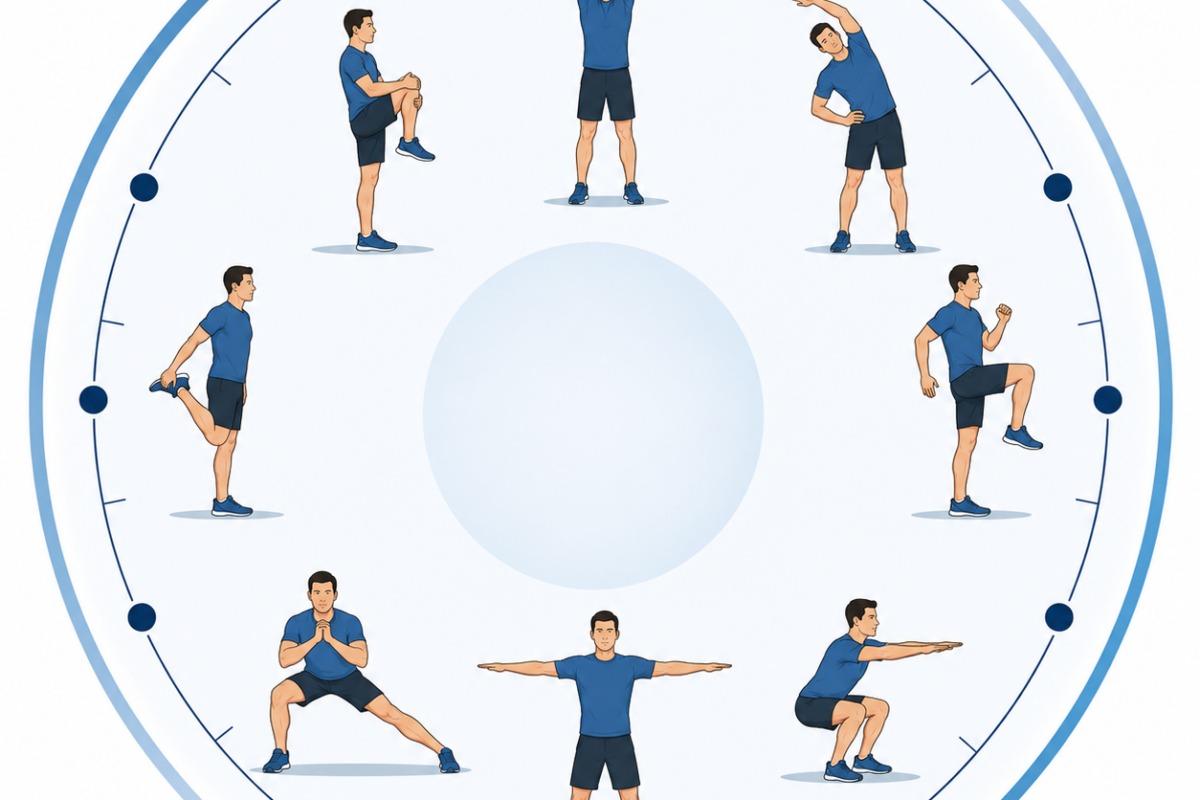
This functional movement targets your core, hips, and pelvis, acting as a natural brace for your lower lumbar spine. Imagine you are standing in the center of a large clock face on the floor: Here’s how round the clock training from your Brighton Physiotherapist can be applied in practice. Additionally, round the clock | Brighton Physiotherapist routines enhance daily function.

  1. The Setup: Stand firmly on your left leg with a slight bend in your knee, keeping your hips level and your core engaged.
  2. The Movement: Gently tap your right foot forward at 12 o’clock, return to the center, and then tap outward at 3 o’clock. Finally, reach backward to tap at 6 o’clock before returning to the start.
  3. The Switch: Repeat the sequence 5 to 10 times, then switch legs (tapping 12, 9, and 6 o’clock with your left foot).

By moving your leg through different angles, you force the deep stabilising muscles of your standing leg—such as the gluteus medius and core—to activate and protect your pelvis from tilting. To clarify, many patients find round the clock drills beneficial when supervised by a Brighton physiotherapist.

Why Our Brighton Chiropractic Team Recommends It

Spinal adjustments work best when supported by dynamic muscle habits. Integrating this simple balance exercise into your routine offers major benefits: For optimal results, consider round the clock sessions guided by a Brighton physiotherapist. With support from your Brighton physiotherapist, round the clock improvements in stability are achievable. Furthermore, round the clock | Brighton Physiotherapist methods ensure progress is ongoing.

  • Improves Spinal Alignment: It trains your nervous system to maintain a neutral spine during daily movement.
  • Reduces Lower Back Pain: Stronger stabilising muscles take the pressure off your joints and discs.
  • Enhances Mobility: Perfect for navigating Brighton’s hilly streets or enjoying coastal walks.

If you want to unlock long-term back health, book a consultation with a leading Chiropractor in Brighton today. Let us tailor a recovery plan that keeps you moving beautifully. Round the clock improvement is possible with the help of a Brighton physiotherapist. As a result, round the clock | Brighton Physiotherapist support makes a difference for those seeking lasting back pain relief.

Book your appointment now https://ccsussex.co.uk/chiropractic-appointment-brighton/

Standing Plantar Fascia Stretch | Brighton Physiotherapist

Standing Plantar Fascia Stretch | Brighton Physiotherapist. Our Physiotherapist Lola demonstrates a Standing Plantar Fascia Stretch for those experiencing Plantar Fasciitis

What Is the Standing Plantar Fascia Stretch?

The Standing Plantar Fascia Stretch offers a simple yet effective way to improve foot flexibility, reduce heel pain, and support overall mobility. Many professionals providing chiropractic in Brighton recommend this stretch to patients who experience plantar fasciitis, foot tightness, or discomfort that affects their daily activities.

The plantar fascia is a thick band of tissue that runs along the bottom of the foot, connecting the heel to the toes. When this tissue becomes tight or irritated, it can cause pain in the heel and arch of the foot. Left untreated, foot dysfunction can affect walking patterns and place additional stress on the ankles, knees, hips, and lower back. Chiropractors often address these issues as part of a comprehensive treatment plan.

How to Perform the Standing Plantar Fascia Stretch

To perform the Standing Plantar Fascia Stretch, stand facing a wall and place your hands against it for support. Position one foot slightly behind the other. Keeping the back leg straight and the heel firmly on the floor, gently bend the front knee and shift your weight forward. You should feel a stretch along the arch of the foot and calf of the back leg. Hold the position for 20 to 30 seconds before switching sides. Repeat the stretch several times daily for the best results.

Benefits for Foot Health and Mobility

Many clinics offering chiropractic in Brighton include this stretch in rehabilitation and wellness programmes because it helps improve flexibility and promotes healthy movement patterns. Regular stretching can reduce tension in the feet and lower legs, improve circulation, and support better posture.

Some of the key benefits include:

  • Improved foot and ankle flexibility
  • Reduced heel and arch discomfort
  • Better circulation in the lower limbs
  • Enhanced balance and stability
  • Increased mobility during daily activities

How Chiropractic Care Supports Recovery

When combined with chiropractic care, the Standing Plantar Fascia Stretch may help restore proper biomechanics throughout the body. Improved foot function often leads to better balance, more efficient movement, and reduced strain on surrounding joints. Chiropractors can also identify movement restrictions and provide targeted treatment to support recovery.

When to Seek Professional Advice

If you experience ongoing heel pain, foot stiffness, or mobility issues, a chiropractor can assess your condition and create a personalised treatment plan. Early intervention often leads to faster recovery, improved function, and long-term relief.

Piriformis Ball Release | Brighton Physiotherapist

Piriformis Ball Release | Brighton Physiotherapist. Our Physiotherapist Lola Demonstrates a Piriformis Ball Release Exercise to relieve tension

Relieve Sciatica and Deep Glute Pain: The Piriformis Ball Release Method

If you are dealing with a sharp ache in your buttocks or a shooting pain down your leg, you might be experiencing piriformis syndrome. The piriformis is a small muscle located deep in the glutes that can easily become tight, inflamed, or spasmed due to prolonged sitting, running on uneven coastal surfaces, or poor spinal alignment. When this happens, it can compress the sciatic nerve, causing significant discomfort.

While visiting a local practitioner is the most effective way to address the root cause, using a massage ball at home can provide incredible, targeted relief between sessions.

How to Perform the Piriformis Ball Release

This trigger point therapy allows you to roll out tension using your own body weight.

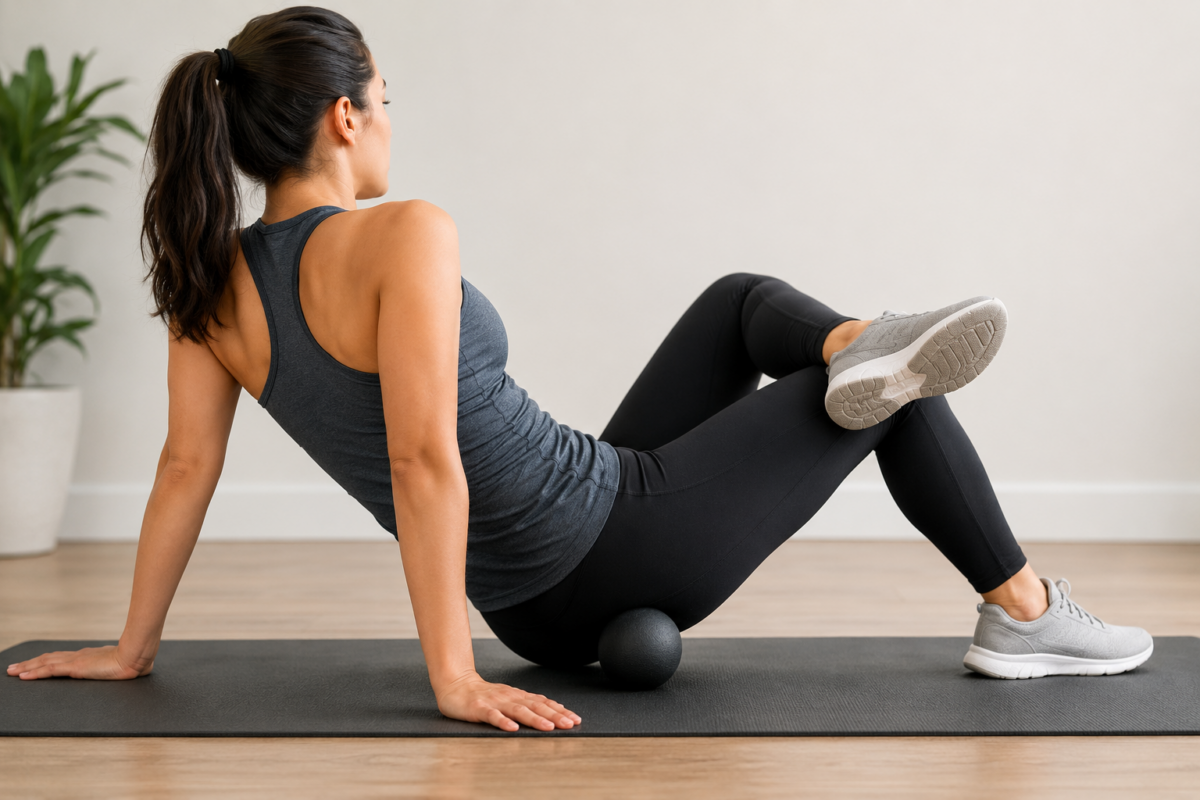
  • Position the Ball: Sit on a yoga mat and place a lacrosse ball, tennis ball, or specialized mobility ball under your affected glute.
  • Find the Trigger Point: Lean your weight onto the side with the ball, supporting yourself with your hands behind you. Slowly move around until you find a tender spot.
  • Intensify the Release: To deepen the pressure, cross the ankle of the affected leg over the opposite knee into a figure-four position.
  • Hold and Breathe: Relax into the ball. Hold the pressure on that spot for 30 to 60 seconds while taking slow, deep breaths. Gently shift to a new spot if needed.

Why Professional Chiropractic Care Matters

While myofascial release with a ball helps soothe tight muscles, a stubborn piriformis muscle is often a symptom of a misaligned pelvis or lower back. When the pelvic girdle is unbalanced, the piriformis has to overcompensate to stabilize your hip joint.

A tailored chiropractic adjustment restores pelvic balance, takes the mechanical stress off the piriformis muscle, and directly decompresses the sciatic nerve for long-term recovery.

Book your appointment now https://ccsussex.co.uk/chiropractic-appointment-brighton/