
What Is the Peroneus Stretch?
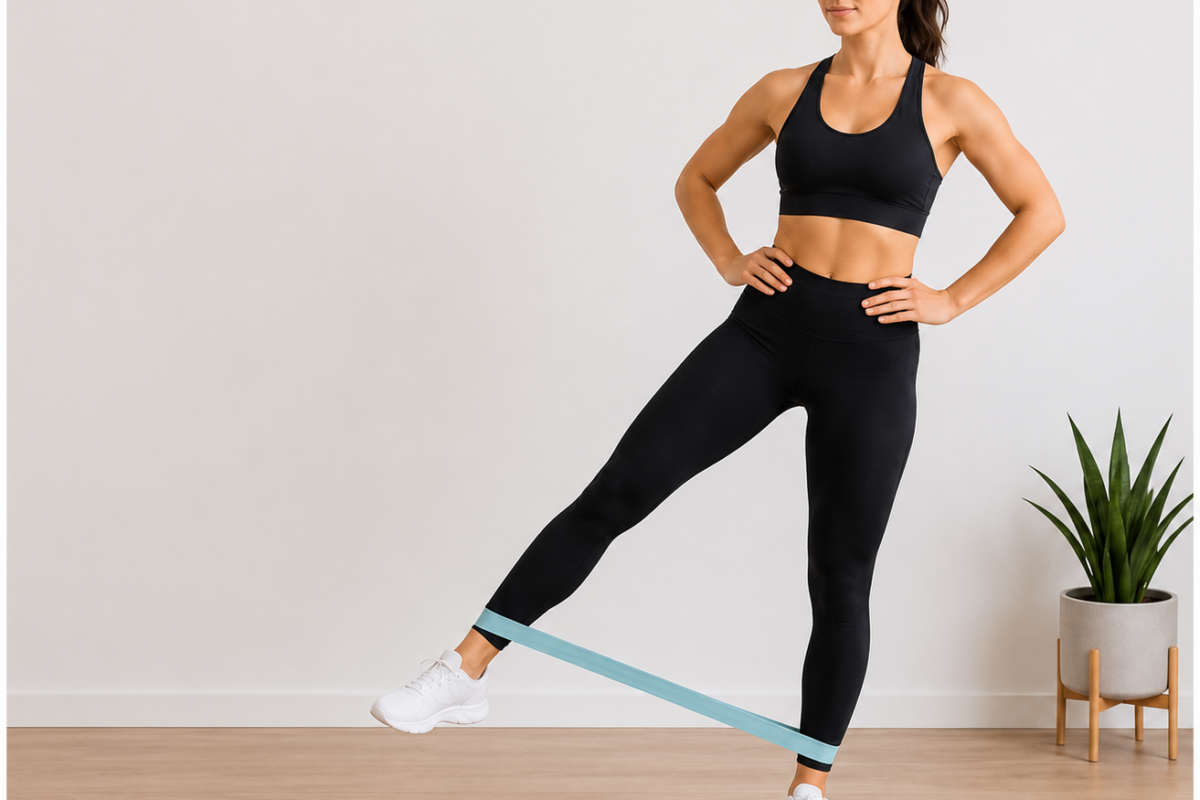
The Peroneus Stretch helps improve flexibility and relieve tension in the peroneal muscles, which run along the outer side of the lower leg. The peroneus longus and peroneus brevis muscles play a vital role in ankle stability and foot movement during walking, running, jumping, balancing, and other everyday activities. Because these muscles work continuously to support movement, they can become tight or overworked, particularly in athletes, runners, dancers, and people who spend long periods on their feet.
Understanding and regularly performing the Peroneus Stretch can help maintain healthy ankle function and reduce discomfort caused by muscle tightness.
How to Perform the Peroneus Stretch
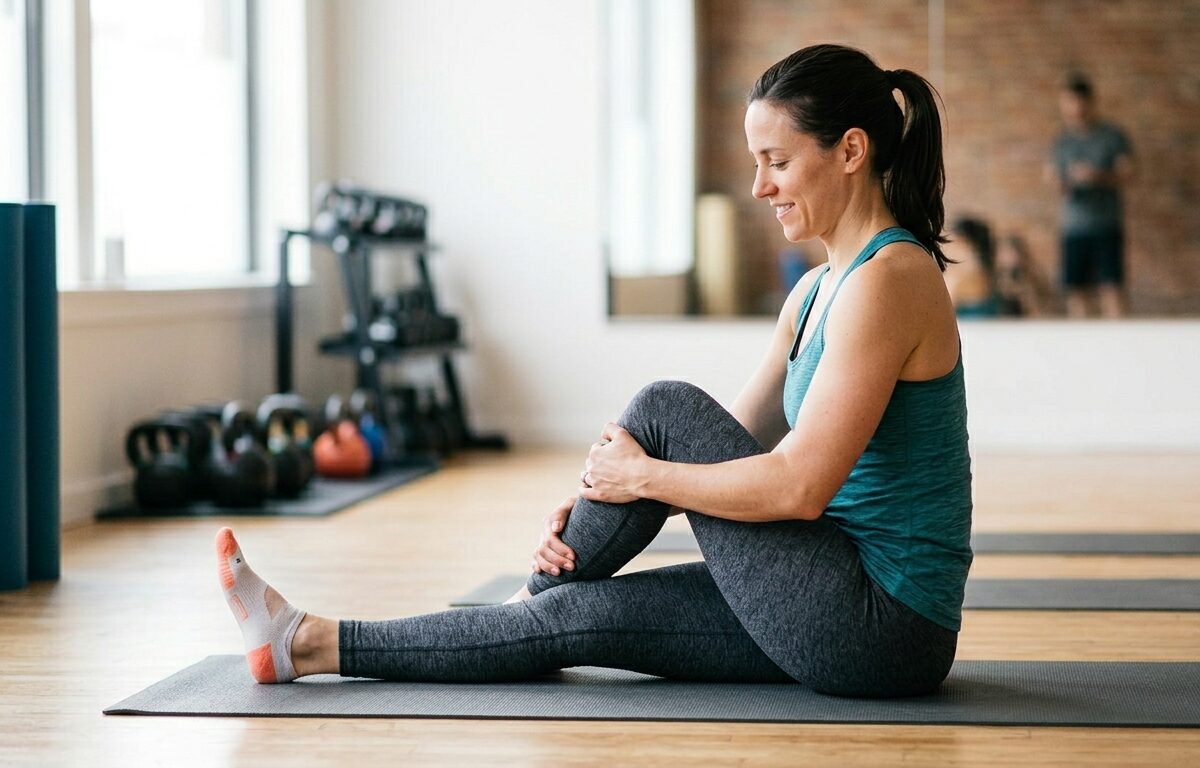
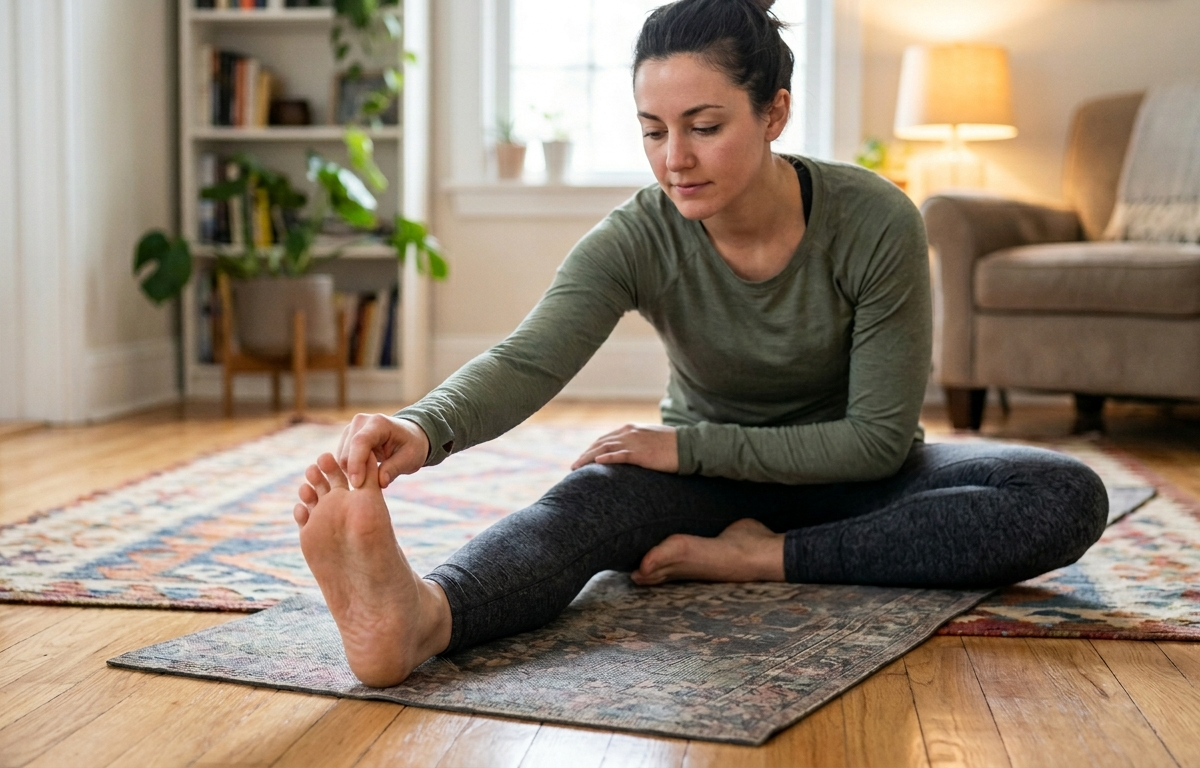
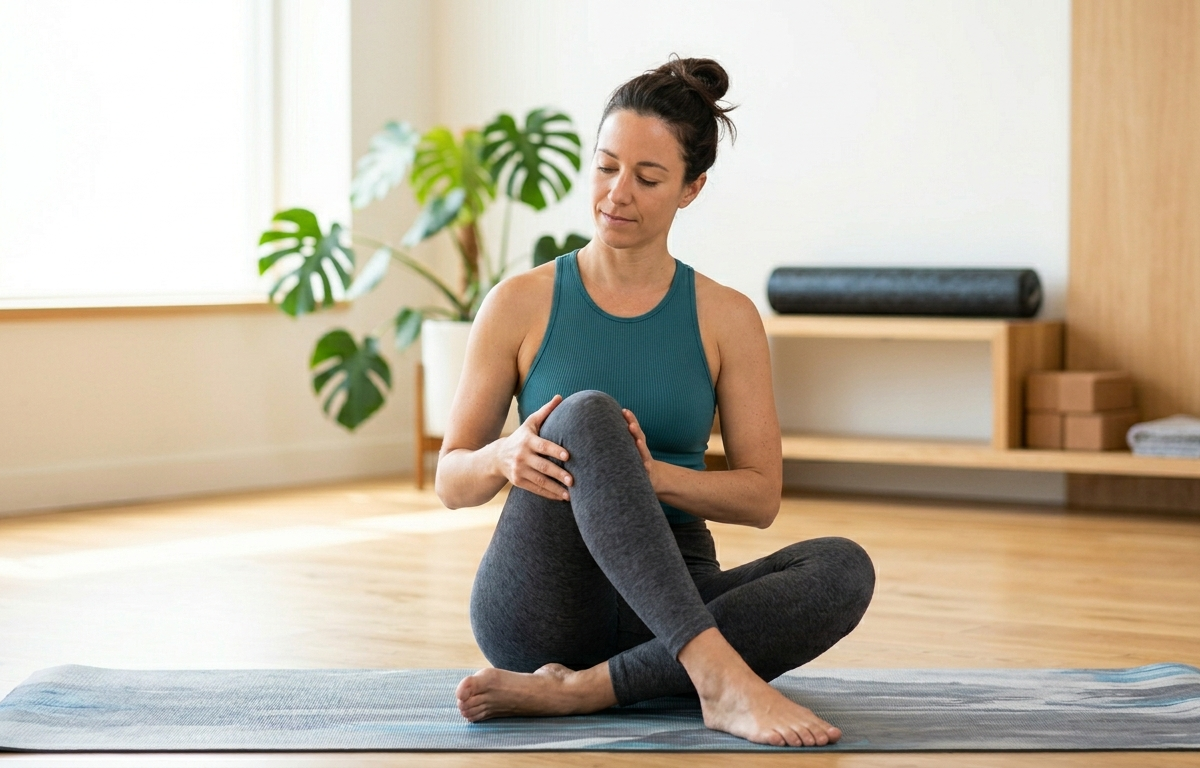
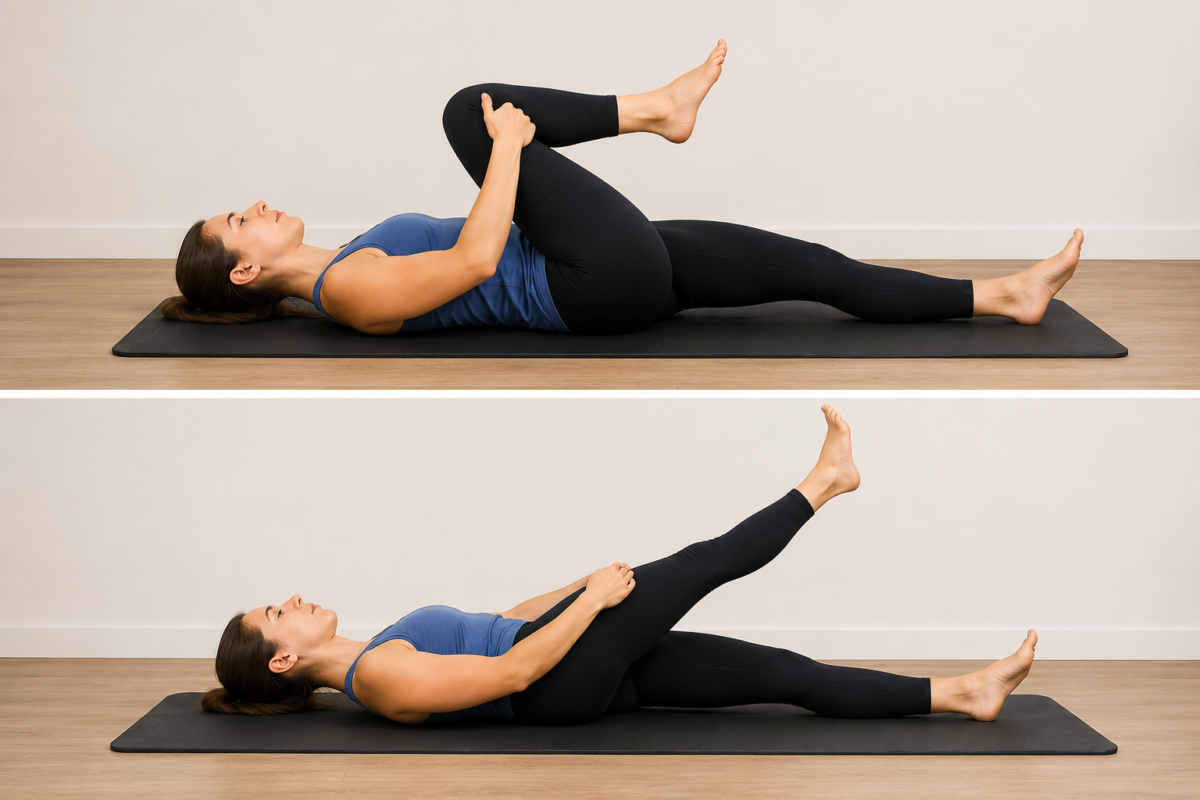
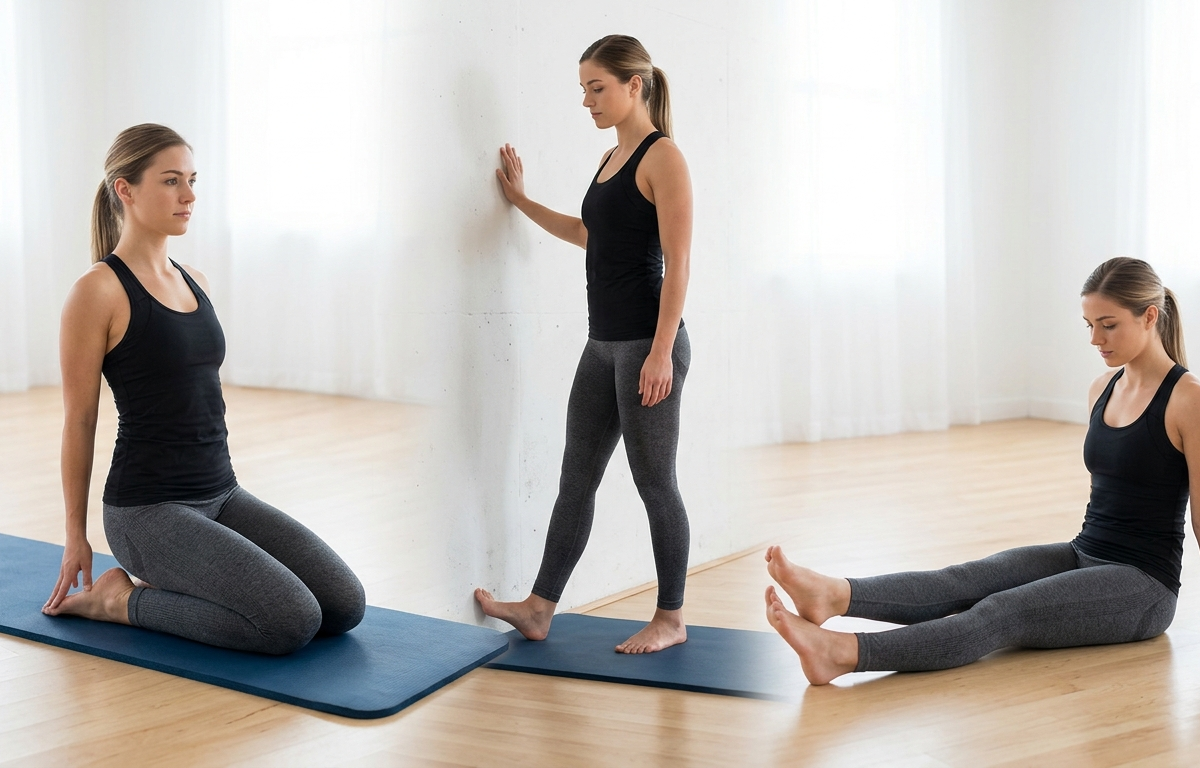
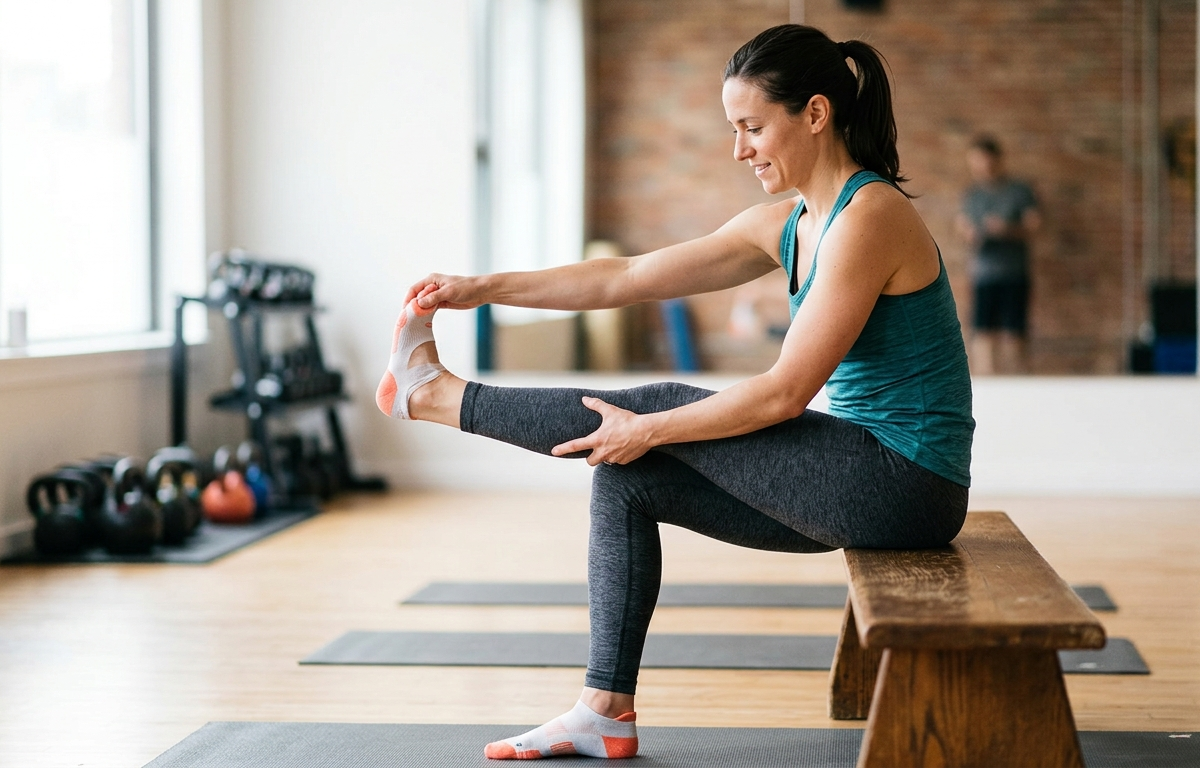
One of the simplest ways to perform the Peroneus Stretch involves sitting on the floor with both legs extended in front of you. Gently rotate your ankle inward while pointing your toes slightly downward. This position targets the outer calf and ankle area where the peroneal muscles are located.
Hold the stretch for 20 to 30 seconds before relaxing. Repeat the movement several times on each leg. Focus on slow, controlled movements and steady breathing throughout the stretch. Aim for a gentle pulling sensation rather than pain.
Benefits of the Peroneus Stretch
Regularly performing the Peroneus Stretch can provide several important benefits. The stretch increases flexibility in the ankle and improves overall range of motion, helping you move more efficiently during sports and daily activities.
Additional benefits include:
- Improved ankle mobility and flexibility
- Better balance and stability
- Reduced muscle tightness and stiffness
- Lower risk of ankle sprains
- Enhanced movement efficiency during physical activity
Many rehabilitation professionals also recommend this stretch after minor ankle injuries to support recovery and restore normal movement.
Supporting Long-Term Ankle Health
The Peroneus Stretch does more than improve flexibility. It can also boost circulation, reduce post-exercise muscle fatigue, and prepare the lower legs for physical activity. Many people include it in their warm-up and cool-down routines to maintain healthy muscles and joints.
By stretching the peroneal muscles consistently, you can support better posture, stronger ankle stability, and improved lower-leg function for both everyday movement and athletic performance.