
Shockwave Therapy for Effective Pain Relief in Brighton
What Is Shockwave Therapy?
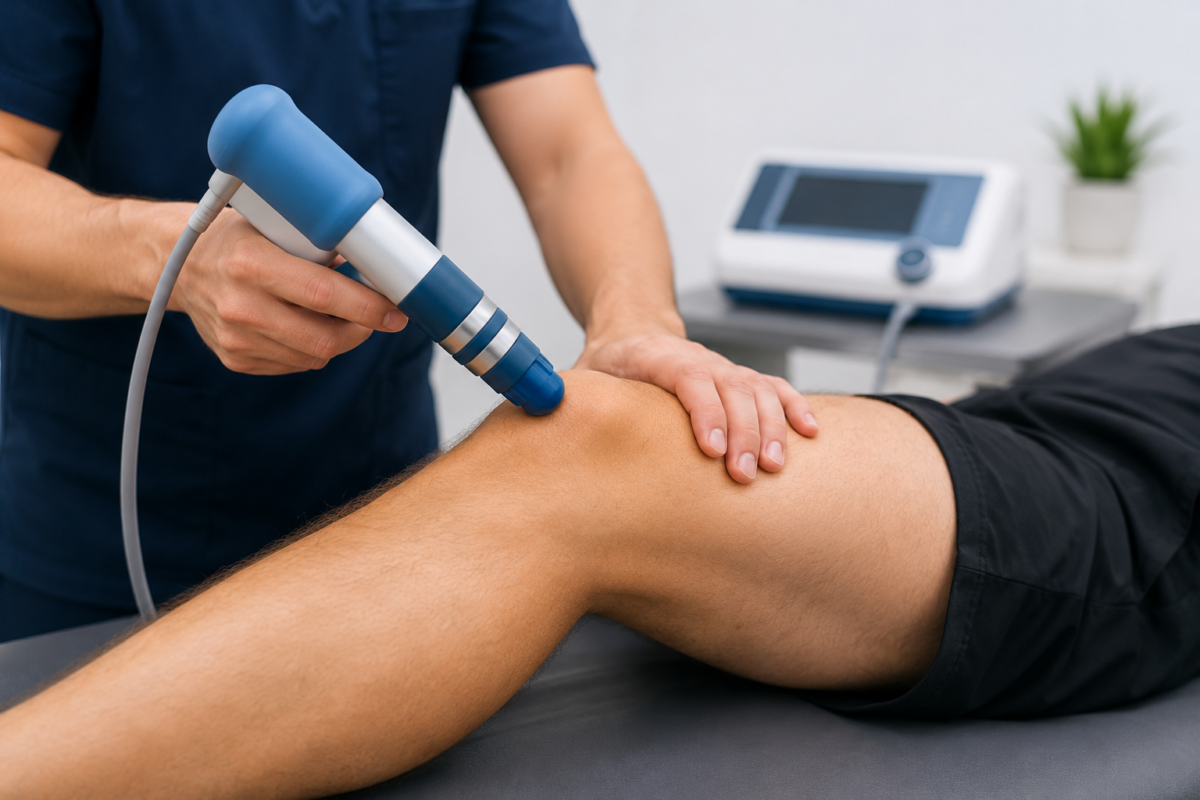
Shockwave therapy offers a modern, non-invasive treatment that helps reduce pain and encourages the body’s natural healing process. At our chiropractic clinic in Brighton, we use focused acoustic waves to target damaged tissues, stimulate circulation, and support tissue repair. If you are researching options for Shockwave therapy in Brighton, this treatment provides an excellent option for people who want to recover from persistent musculoskeletal pain without surgery or lengthy downtime.
Many patients choose shockwave therapy after other conservative treatments fail to provide lasting relief. The treatment works well alongside chiropractic care because it addresses both tissue health and joint function.
How Shockwave Therapy Supports Recovery
Shockwave therapy delivers controlled energy directly to the affected area. This stimulation increases blood flow, promotes collagen production, and encourages the body to repair damaged tendons, ligaments, and muscles. As healing progresses, many patients notice reduced pain, improved flexibility, and better overall function. It’s clear that Brighton patients interested in therapy often ask about the benefits of shockwave treatments.
Our chiropractors assess every patient before recommending treatment. We create a personalised care plan that combines shockwave therapy with chiropractic adjustments, rehabilitation exercises, and practical lifestyle advice to achieve the best possible results.
Conditions We Commonly Treat
Shockwave therapy helps manage a wide range of musculoskeletal conditions, including plantar fasciitis, Achilles tendinopathy, tennis elbow, shoulder pain, heel pain, and chronic tendon injuries. Many active individuals and athletes also benefit from treatment because it supports faster recovery and helps them return to their usual activities with greater confidence. Residents searching for shockwave therapy Brighton solutions frequently seek help with these common conditions.
Why Choose Our Brighton Chiropractic Clinic?
Our Brighton clinic focuses on patient-centred care and evidence-informed treatment. We take time to understand your symptoms, identify the underlying cause of your pain, and recommend treatments that match your goals. Every appointment includes clear guidance, ongoing support, and honest advice throughout your recovery.
If persistent pain affects your work, exercise, or daily routine, shockwave therapy may help restore your mobility and improve your quality of life. If you’re considering Brighton shockwave therapy, contact our chiropractic clinic today to book an assessment and discover whether shockwave therapy can help you move more comfortably and return to the activities you enjoy.
For more information please visit: www.shockwavetherapybrighton.co.uk
Book your appointment now https://ccsussex.co.uk/chiropractic-appointment-brighton/