
Core Chiropractic Brighton, 2 Circus Parade, New England Road, Brighton, BN1 4GW
01273 933 170

Author Archives: Matthew Bateman

Round the clock | Brighton Physiotherapist

Boost Your Core: “Round-the-Clock” Stabilising Exercises for Back Pain Relief with guidance from a Brighton Physiotherapist

Are you struggling with persistent lower back stiffness or poor posture? Modern life in Brighton often means hours spent sitting at office desks or commuting, which can weaken the deep stabilizing muscles supporting your spine. At our Brighton chiropractic clinic, we focus on moving beyond temporary relief to help you build a resilient, pain-free body. One of the most effective tools we recommend is the “Round-the-Clock” stabilising exercise. In fact, round the clock core training strategies are a key part of every patient plan created by your Brighton physiotherapist. With our commitment to round the clock care, your Brighton Physiotherapist helps you at every stage of recovery. Importantly, round the clock | Brighton Physiotherapist strategies provide comprehensive support.

What is the “Round-the-Clock” Stabilising Exercise?

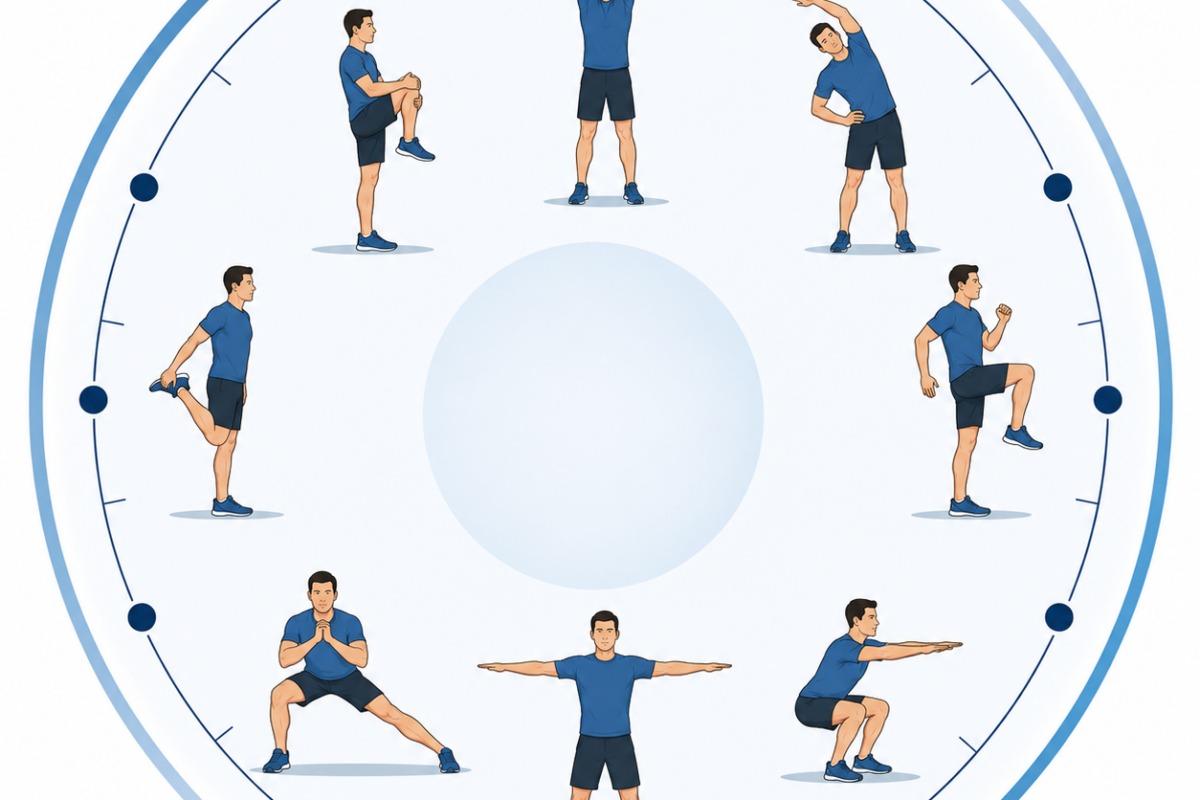
This functional movement targets your core, hips, and pelvis, acting as a natural brace for your lower lumbar spine. Imagine you are standing in the center of a large clock face on the floor: Here’s how round the clock training from your Brighton Physiotherapist can be applied in practice. Additionally, round the clock | Brighton Physiotherapist routines enhance daily function.

  1. The Setup: Stand firmly on your left leg with a slight bend in your knee, keeping your hips level and your core engaged.
  2. The Movement: Gently tap your right foot forward at 12 o’clock, return to the center, and then tap outward at 3 o’clock. Finally, reach backward to tap at 6 o’clock before returning to the start.
  3. The Switch: Repeat the sequence 5 to 10 times, then switch legs (tapping 12, 9, and 6 o’clock with your left foot).

By moving your leg through different angles, you force the deep stabilising muscles of your standing leg—such as the gluteus medius and core—to activate and protect your pelvis from tilting. To clarify, many patients find round the clock drills beneficial when supervised by a Brighton physiotherapist.

Why Our Brighton Chiropractic Team Recommends It

Spinal adjustments work best when supported by dynamic muscle habits. Integrating this simple balance exercise into your routine offers major benefits: For optimal results, consider round the clock sessions guided by a Brighton physiotherapist. With support from your Brighton physiotherapist, round the clock improvements in stability are achievable. Furthermore, round the clock | Brighton Physiotherapist methods ensure progress is ongoing.

  • Improves Spinal Alignment: It trains your nervous system to maintain a neutral spine during daily movement.
  • Reduces Lower Back Pain: Stronger stabilising muscles take the pressure off your joints and discs.
  • Enhances Mobility: Perfect for navigating Brighton’s hilly streets or enjoying coastal walks.

If you want to unlock long-term back health, book a consultation with a leading Chiropractor in Brighton today. Let us tailor a recovery plan that keeps you moving beautifully. Round the clock improvement is possible with the help of a Brighton physiotherapist. As a result, round the clock | Brighton Physiotherapist support makes a difference for those seeking lasting back pain relief.

Book your appointment now https://ccsussex.co.uk/chiropractic-appointment-brighton/

Prone Internal\External hip rotation | Brighton Physiotherapist

Prone Internal and External Hip Rotation: Improving Mobility and Supporting Spinal Health

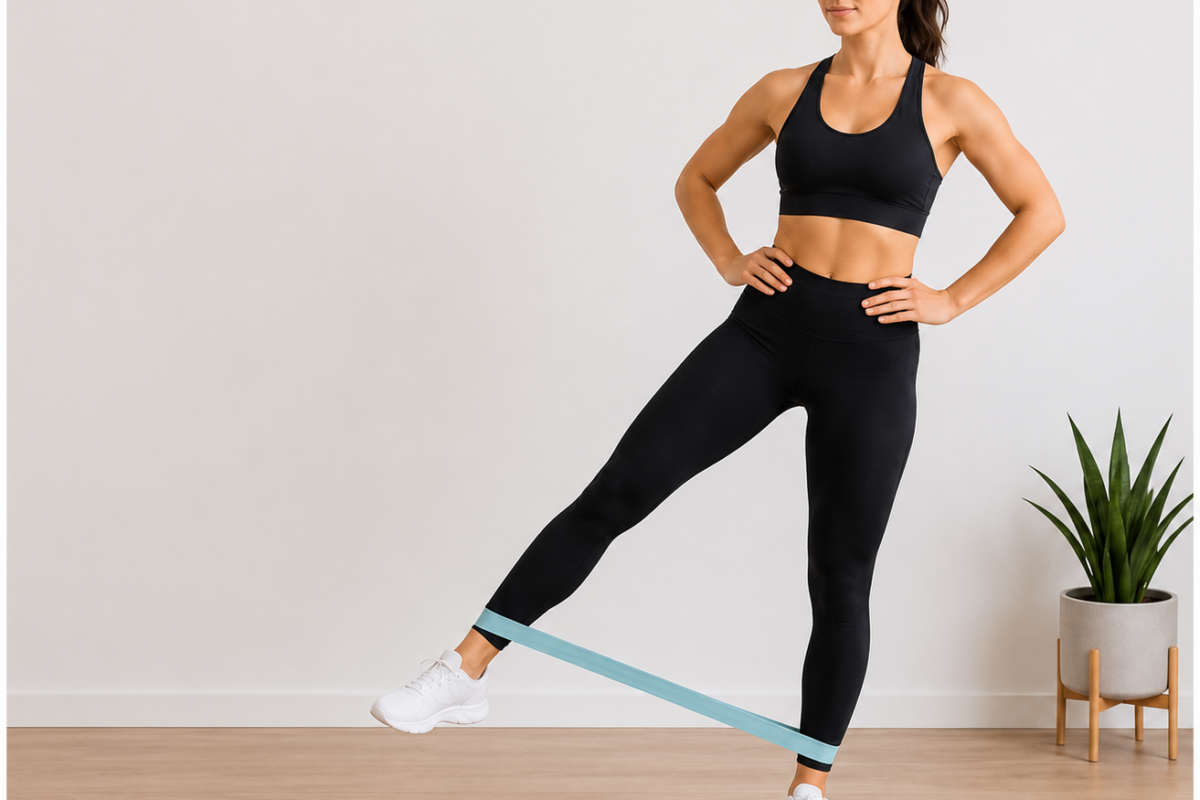
Prone internal and external hip rotation exercises are highly effective for improving hip mobility, enhancing joint function, and supporting overall spinal health. At our chiropractic clinic in Brighton, we frequently recommend these movements to help patients improve flexibility, reduce discomfort, and optimise movement patterns. Many of our patients ask about Prone Internal\External hip rotation | Brighton Physiotherapist to address specific mobility concerns. Additionally, it’s worth mentioning that Prone Internal\External hip rotation | Brighton Physiotherapist resources are often sought after for comprehensive rehabilitation.

What Is Prone Internal and External Hip Rotation?

This exercise is performed while lying face down and focuses on rotating the hip joint inward and outward. It targets the muscles responsible for hip mobility, including the gluteal muscles, deep hip rotators, and surrounding stabilising structures. Maintaining adequate hip rotation is essential for walking, running, squatting, and many everyday activities. If you are searching for ways to improve hip function, Prone Internal\External hip rotation | Brighton Physiotherapist can support you in your rehab journey. In fact, consulting about Prone Internal\External hip rotation | Brighton Physiotherapist is a great first step for anyone looking to maximize results.

How to Perform the Exercise

Begin by lying comfortably on your stomach with your knees bent to approximately 90 degrees. Keeping your thighs on the floor, slowly move your feet apart to create internal hip rotation. Then, bring your feet together and move them in the opposite direction to create external hip rotation. Perform the movement slowly and with control, avoiding any discomfort or compensatory movements through the lower back. For best results and safety, consult a professional familiar with Prone Internal\External hip rotation | Brighton Physiotherapist techniques. Moreover, repeated practice of Prone Internal\External hip rotation | Brighton Physiotherapist can enhance neuromuscular control over time.

Benefits for Hip and Lower Back Function

Restricted hip mobility can place excessive strain on the pelvis, knees, and lower back. Regularly performing prone internal and external hip rotations can help improve joint range of motion, reduce stiffness, and enhance overall movement efficiency. Increased hip mobility may also contribute to better posture and reduced risk of injury. Therefore, referring to Prone Internal\External hip rotation | Brighton Physiotherapist advice may further enhance your outcomes.

Why Hip Mobility Matters for Chiropractic Care

The hips and spine work closely together during movement. When hip mobility is limited, the lower back often compensates, potentially leading to pain, muscle tension, and dysfunction. Improving hip rotation can reduce stress on the lumbar spine and support healthier movement patterns. In summary, many patients benefit from Prone Internal\External hip rotation | Brighton Physiotherapist guidance when seeking effective musculoskeletal care.

Chiropractic Treatment in Brighton

At our Brighton chiropractic clinic, we assess movement restrictions and identify underlying causes of pain and stiffness. Our experienced chiropractors create personalised treatment plans that may include spinal adjustments, soft tissue therapy, and corrective exercises such as prone hip rotations. By improving mobility and addressing dysfunction, we help patients move better, recover faster, and maintain long-term musculoskeletal health. Ultimately, discussing Prone Internal\External hip rotation | Brighton Physiotherapist goals with your clinician ensures an individualized approach to your care.

Digit Extension Stretch | Brighton Physiotherapist

Digit Extension Stretch: Improve Hand Mobility and Reduce Tension

The Digit Extension Stretch is a simple yet highly effective exercise that helps improve flexibility, mobility, and strength in the fingers and hands. For people experiencing stiffness, repetitive strain, or discomfort from daily activities, this stretch can be an excellent addition to a healthy movement routine. At our chiropractic clinic in Brighton, we often recommend gentle stretching exercises to support overall musculoskeletal health and function.

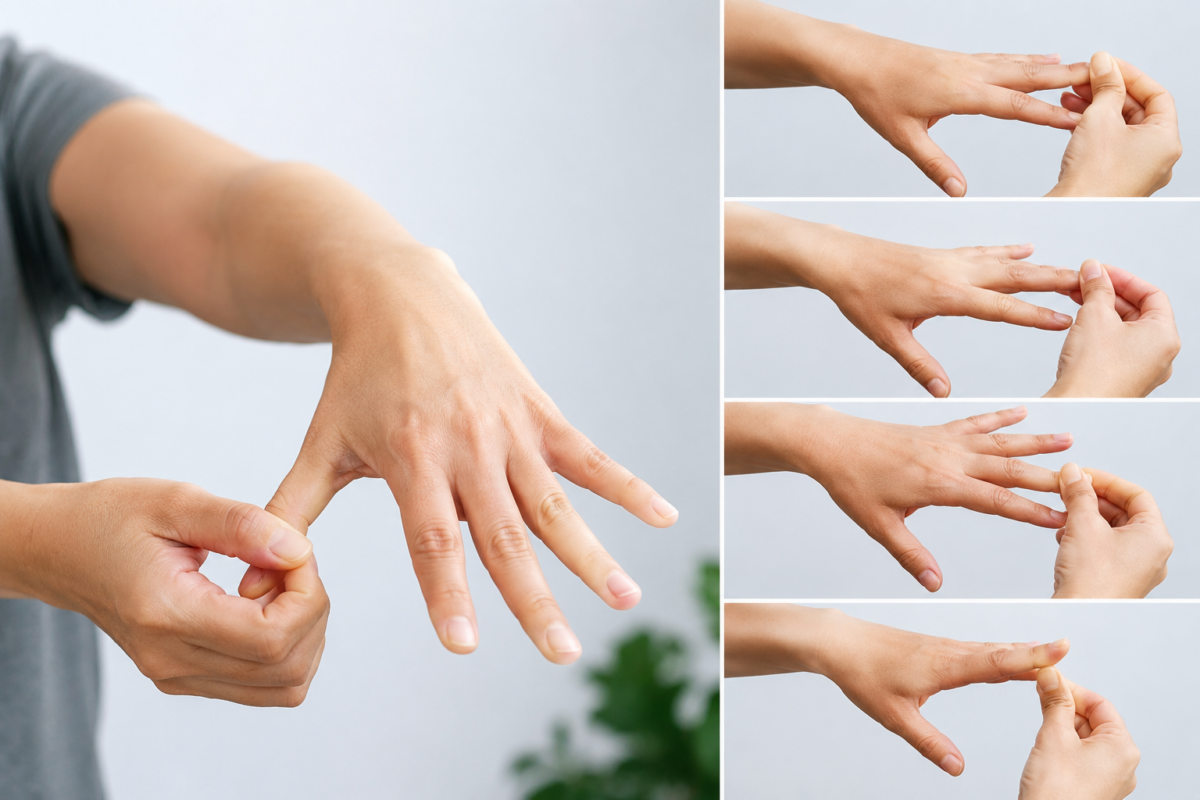
To perform the Digit Extension Stretch, start by extending one hand in front of you with your palm facing down. Using your opposite hand, gently pull back each finger individually until you feel a comfortable stretch along the finger and palm. Hold the stretch for 10–15 seconds before releasing. Afterward, repeat on each finger and then switch hands. The movement should be gentle and never cause pain.

Many people in Brighton spend long hours typing, using smartphones, or performing repetitive manual tasks. These activities can place strain on the small joints, tendons, and muscles of the hands. Regular digit extension stretching may help reduce tension and improve circulation. In addition, it can help maintain a healthy range of motion. It can also be beneficial for individuals recovering from minor hand stiffness. Furthermore, it can help those seeking to prevent discomfort associated with repetitive movements.

Chiropractic care focuses on supporting the body’s natural movement patterns. While chiropractic treatment primarily addresses spinal and joint health, incorporating targeted stretches such as the Digit Extension Stretch can complement a broader wellness plan. Maintaining flexibility in the hands and fingers contributes to better overall function. Therefore, it may help support everyday activities.

If you are experiencing persistent hand, wrist, or upper limb discomfort, consulting a qualified chiropractor in Brighton can help identify underlying movement restrictions. Moreover, the chiropractor can provide personalised guidance. Combining professional chiropractic care with regular stretching exercises can be an effective way to support mobility, comfort, and long-term musculoskeletal health.

Book an appointment today to learn more about improving joint mobility and maintaining an active, pain-free lifestyle.

Book your appointment now https://ccsussex.co.uk/chiropractic-appointment-brighton/

Banded Lat Pull Down | Brighton Physiotherapist

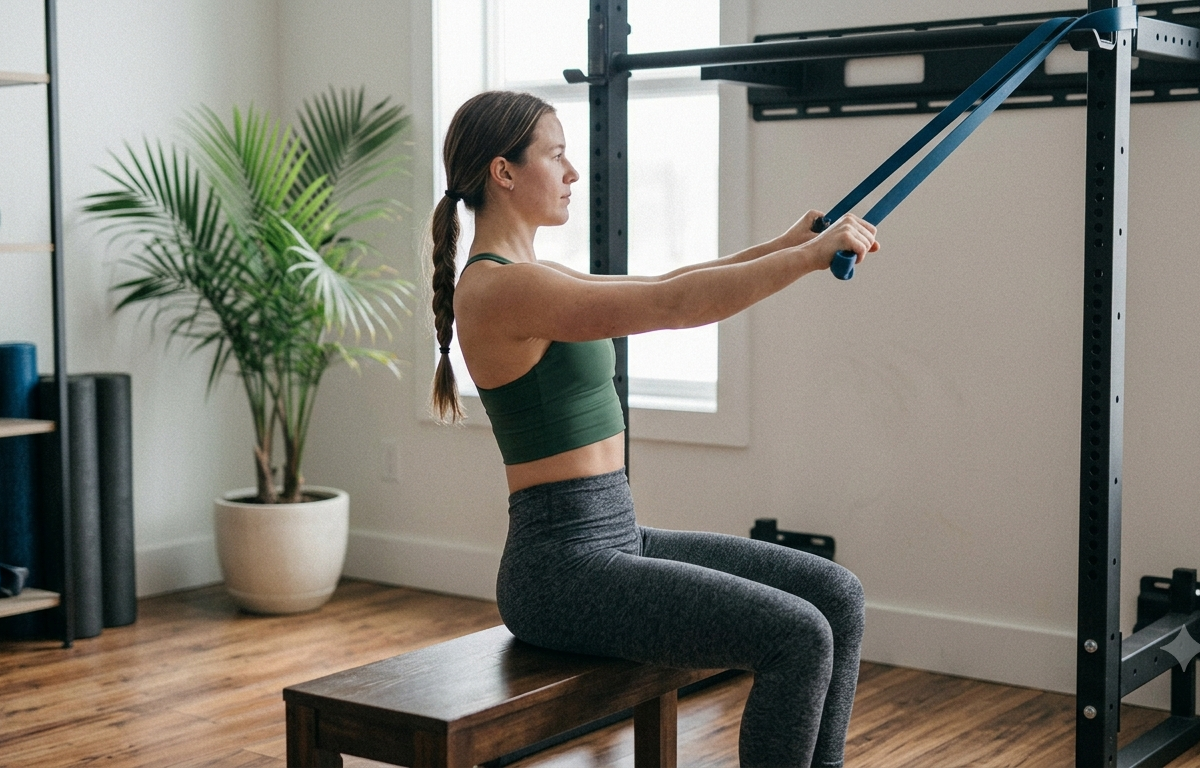
Unlock a stronger, pain-free back with a simple, highly effective movement you can do right at home or in the gym: the Banded Lat Pull Down. If you’re looking for expert advice on this exercise, our Banded Lat Pull Down | Brighton Physiotherapist guide is here to help you get started safely and effectively.

As a leading chiropractic clinic in Brighton, we frequently see patients struggling with upper back stiffness, rounded shoulders, and persistent neck tension. These issues are often the result of long hours spent hunching over laptops in Brighton’s bustling home offices and local cafes. By targeting the latissimus dorsi—the large muscles spanning your mid-to-lower back—the banded lat pull down acts as the perfect antidote to modern “desk posture.” In fact, many might not realize the unique benefits for your back and shoulders from the Banded Lat Pull Down. This is especially true when guided by a skilled Brighton Physiotherapist.

Why the Banded Lat Pull Down Works

Using a resistance band provides a unique benefit known as progressive resistance. Unlike heavy gym machines, bands exert more tension the further they are stretched. This aligns perfectly with your muscles’ natural strength curves. As a result, this movement is a top choice among our clients who ask for Banded Lat Pull Down tips from a trusted Brighton Physiotherapist.

  • Corrects Rounded Shoulders: Actively pulls the shoulder blades down and back, reversing slouching habits.
  • Reduces Lower Back Strain: Stronger lats provide essential structural support to the spine, taking the pressure off your lumbar region.
  • Gentle on Joints: Offers a low-impact way to build muscle and joint stability without overloading your shoulders.

How to Perform It

All you need is a reliable resistance band. Many Brighton Physiotherapist recommendations for upper back care include the Banded Lat Pull Down because of its accessibility and effectiveness.

  1. Anchor the band securely above head height (a sturdy door frame or pull-up bar works perfectly).
  2. Kneel or sit directly beneath it, gripping the band with hands slightly wider than shoulder-width apart.
  3. Keep your chest proud, and pull your elbows down toward your ribs, squeezing your shoulder blades together at the bottom.
  4. Slowly return to the starting position under control. Aim for 3 sets of 12 to 15 reps.

Reclaim Your Posture in Brighton

While home exercises are fantastic for building strength, persistent back stiffness often stems from underlying spinal misalignments or joint restrictions that a band alone cannot fix. For best results, consult with a Brighton Physiotherapist while performing the Banded Lat Pull Down.

Our experienced Brighton chiropractic team is dedicated to restoring your body’s natural alignment. Through gentle spinal adjustments and tailored movement plans, we help you move, work, and live pain-free. You will notice the impact when you add expert guidance for the Banded Lat Pull Down from one of our local Brighton Physiotherapists.

Ready to stand taller? Book a consultation at our Brighton clinic today, and let’s build a stronger foundation for your spine with the Banded Lat Pull Down guided by a Brighton Physiotherapist.

Hip labrum tear rehab protocol | Brighton Physiotherapist

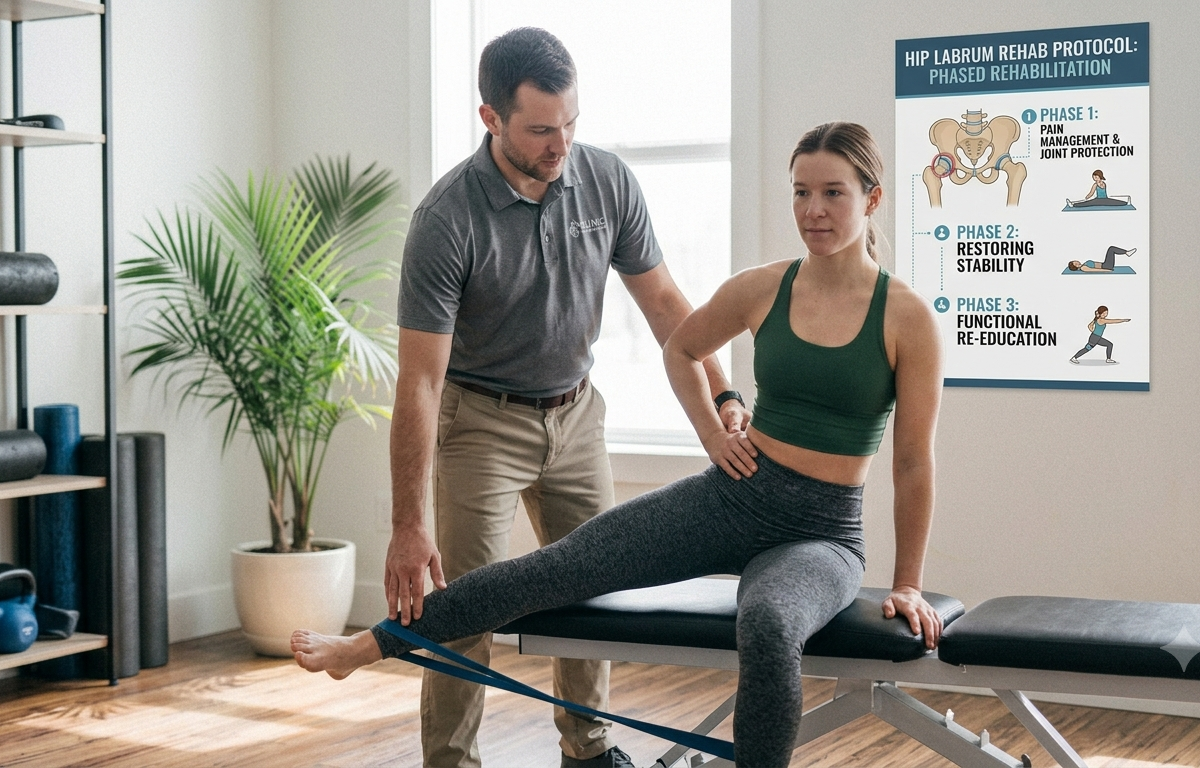
If you are dealing with deep groin pain, a persistent clicking sensation, or stubborn stiffness during your morning walks along the Brighton seafront, you might be facing a hip labrum tear. The labrum is a ring of protective cartilage that stabilises your hip socket. When damaged, it can significantly disrupt your daily movement. Fortunately, a structured, conservative approach such as a Hip labrum tear rehab protocol | Brighton Physiotherapist recommendation is highly effective in restoring function and, in many cases, avoiding invasive surgery.

Here is how an evidence-based Hip labrum tear rehab protocol | Brighton Physiotherapist typically works:

Phase 1: Pain Management & Joint Protection

The initial goal is to settle inflammation and protect the joint. This involves temporarily modifying activities that pinch the hip (such as deep squatting or prolonged sitting) while maintaining pain-free mobility. Gentle chiropractic mobilisations and soft tissue therapy help relieve protective muscle guarding in the surrounding glutes and hip flexors. Notably, a Hip labrum tear rehab protocol | Brighton Physiotherapist guidance will address these aspects with a personalized, stepwise plan.

Phase 2: Restoring Joint Stability

Once pain quietens down, the focus shifts to restoring joint stability. We introduce low-impact, targeted exercises to strengthen the deep hip rotators, gluteus medius, and core. Building robust strength in these surrounding muscle groups takes the mechanical pressure off the injured cartilage, allowing the joint to glide smoothly.

Phase 3: Functional Re-education

The final phase is all about getting you back to doing what you love. Whether that is running on the Downs, cycling, or lifting, we gradually reintroduce sport-specific movements and balance training to ensure your hip can handle dynamic, real-world loads.

Why Brighton Chiropractic Care Makes the Difference

A hip labrum tear rarely happens in a vacuum. It frequently causes compensatory movement patterns, leading to pelvic misalignments and secondary lower back pain. Our Brighton chiropractic clinic takes a holistic, full-body approach. By combining targeted spinal and pelvic adjustments with gait analysis and your personalized rehab protocol, we ensure your entire kinetic chain is balanced. Ultimately, following a Hip labrum tear rehab protocol | Brighton Physiotherapist designed plan can make your recovery smoother and help prevent further injury.

Do not let hip discomfort hold you back from enjoying everything our vibrant coastal city has to offer. Book a comprehensive consultation at our Brighton clinic today, and let’s get you moving pain-free.