
Core Chiropractic Brighton, 2 Circus Parade, New England Road, Brighton, BN1 4GW
01273 933 170

Author Archives: Matthew Bateman

Modified Pigeon Stretch | Brighton Physiotherapy

Modified Pigeon Stretch | Brighton Physiotherapy

Master the Modified Pigeon Stretch: Relief for Tight Hips in Brighton

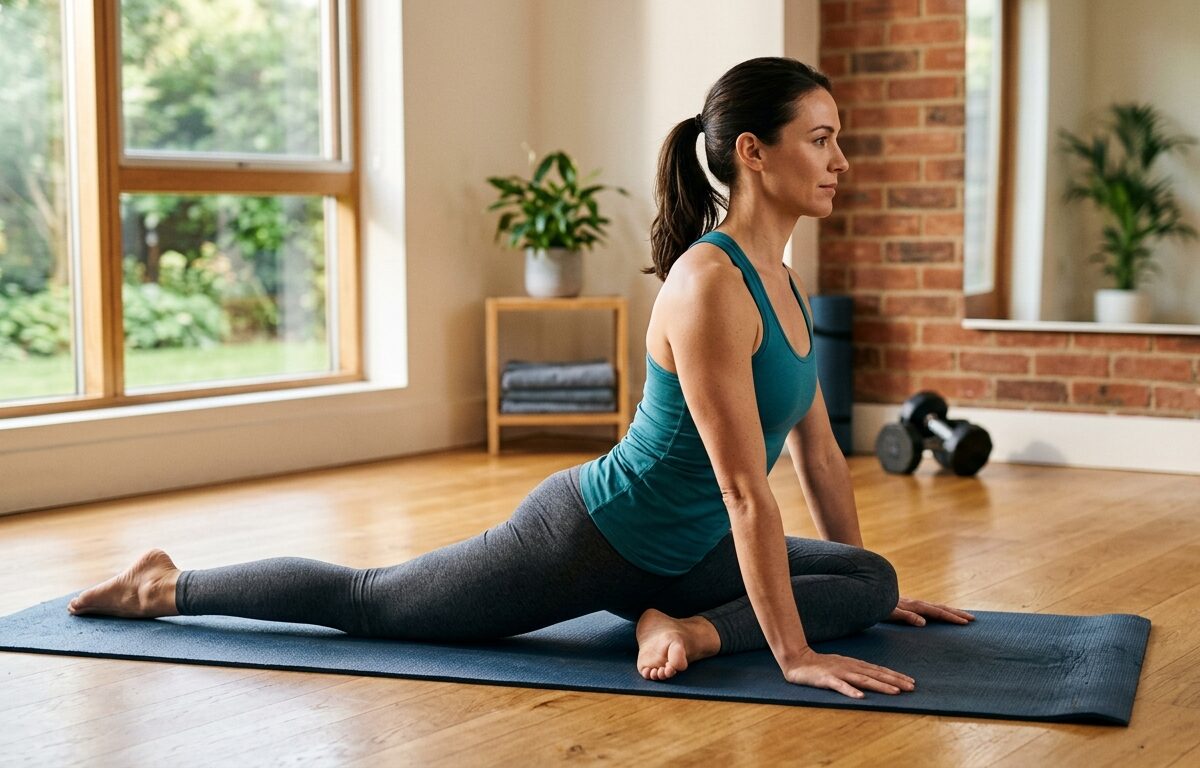
If you spend your days navigating the hilly streets of Brighton or sitting at a desk in the North Laine, your hips are likely feeling the pinch. Tight hip flexors and glutes are more than just a nuisance; they are often the hidden culprits behind chronic lower back pain and reduced athletic performance. At Brighton Physiotherapy, we frequently recommend the Modified Pigeon Stretch as a foundational tool for restoring mobility without the strain of traditional yoga poses.


Why “Modified” Matters

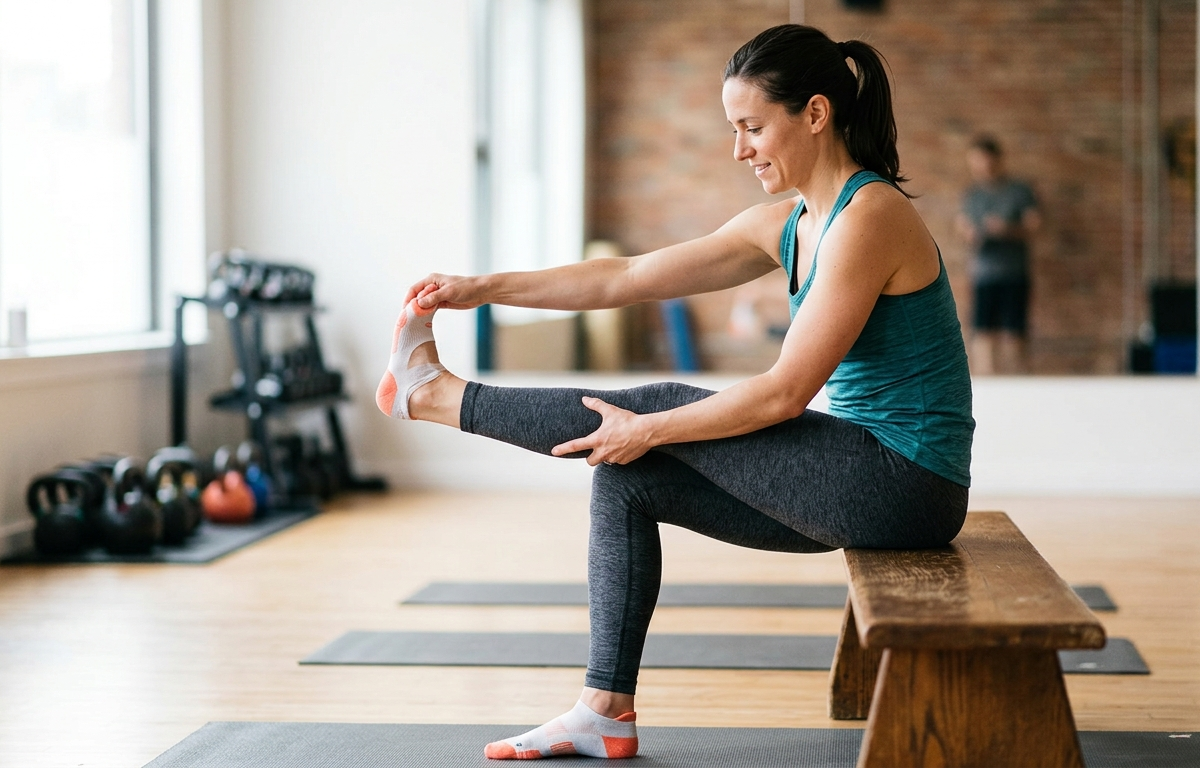
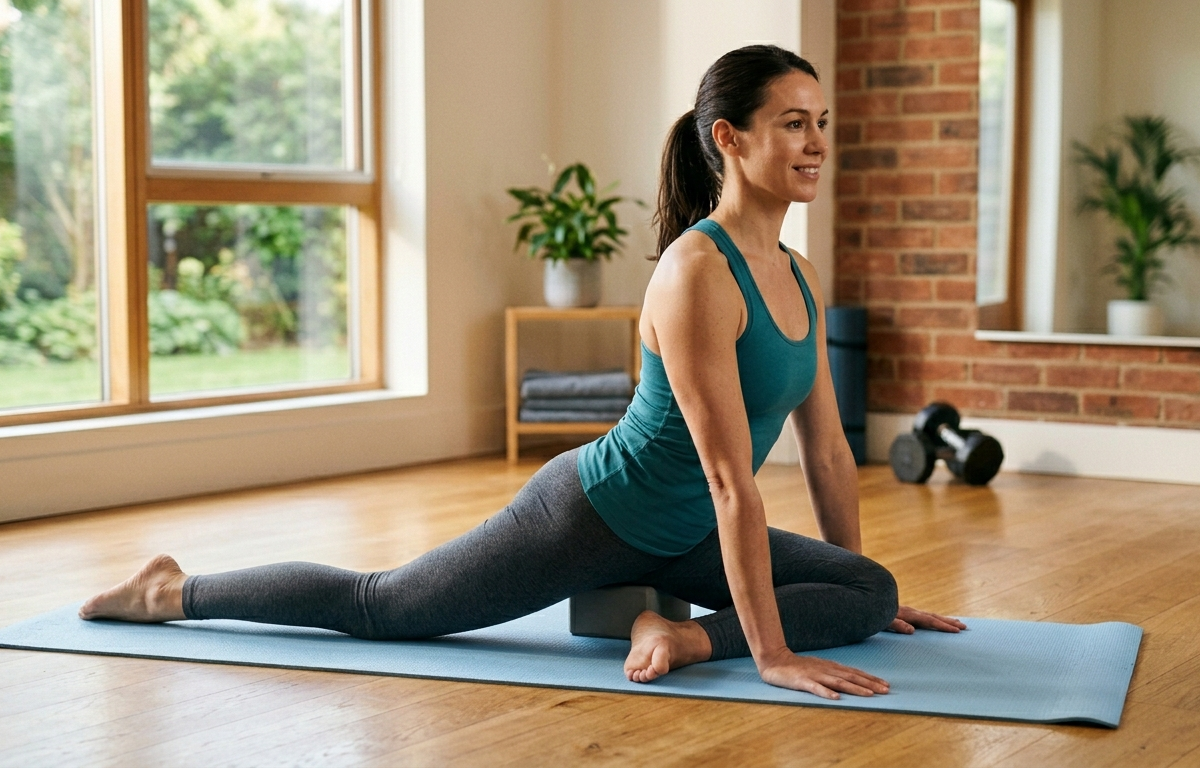
The classic Pigeon Pose is a staple in yoga, but for many, it places excessive stress on the knee joint or requires flexibility that isn’t quite there yet. This alternative pigeon stretch is modified, making it accessible for a range of abilities. The Modified Pigeon Stretch—often performed on an elevated surface like a treatment table, a bench at Preston Park, or even your bed—allows you to target the piriformis and deep hip rotators while maintaining a neutral spine.

How to Perform the Stretch

  1. Find your surface: Stand facing a table or bench at hip height. As you prepare, remember this is a modified way of doing the pigeon stretch.
  2. Position the leg: Lift your right leg and place the outer calf and ankle flat on the surface. Your knee should be bent at an angle that feels comfortable (not necessarily 90 degrees).
  3. Square the hips: Keep your standing leg straight and your hips pointing forward.
  4. The Lean: Keeping your chest tall and back flat, gently hinge forward at the hips until you feel a deep stretch in the right glute.
  5. Hold: Breathe deeply for 30–60 seconds, then switch sides.

The Benefits

  • Sciatica Relief: By releasing the piriformis muscle, you reduce pressure on the sciatic nerve with this modified pigeon stretch.
  • Improved Posture: Opening the hips helps tilt the pelvis back into a neutral position.
  • Enhanced Mobility: Essential for Brighton runners and cyclists tackling the South Downs.

Pro Tip: Never push into sharp pain. A “good stretch” should feel like localized tension, not a pinching sensation in the joint.

If you’re struggling with hip stiffness that just won’t budge, our expert team at Brighton Physiotherapy is here to help. For clients who need a gentler approach, we often suggest pigeon stretch with modifications. We combine targeted exercises with manual therapy to get you moving freely again. Book your assessment today and reclaim your mobility!

Terminal Knee Extension | Brighton Physiotherapy

Terminal Knee Extension | Brighton Physiotherapy

Master the Terminal Knee Extension: The Key to Knee Stability in Brighton

Whether you’re recovering from an injury or looking to strengthen your legs for hikes along the South Downs, the Terminal Knee Extension (TKE) is a vital exercise. At Core Clinics, our Brighton physiotherapists and chiropractors frequently prescribe TKEs to patients struggling with knee instability, ACL recovery, or “runner’s knee.”


What is Terminal Knee Extension?

Terminal Knee Extension refers to the final few degrees of straightening the leg. While it may seem like a small movement, these last 0 to 15 degrees are critical for activating the Vastus Medialis Obliquus (VMO)—the teardrop-shaped muscle on the inner thigh. This muscle is responsible for tracking the kneecap correctly and ensuring the joint locks securely when standing.

How to Perform a TKE with a Resistance Band

To perform this effectively at home or in our Brighton clinic, follow these steps:

  1. The Setup: Anchor a sturdy resistance band to a fixed point (like a heavy table leg) at knee height.
  2. The Position: Step into the loop with your target leg, placing the band just behind the back of the knee. Face the anchor point so there is tension on the band.
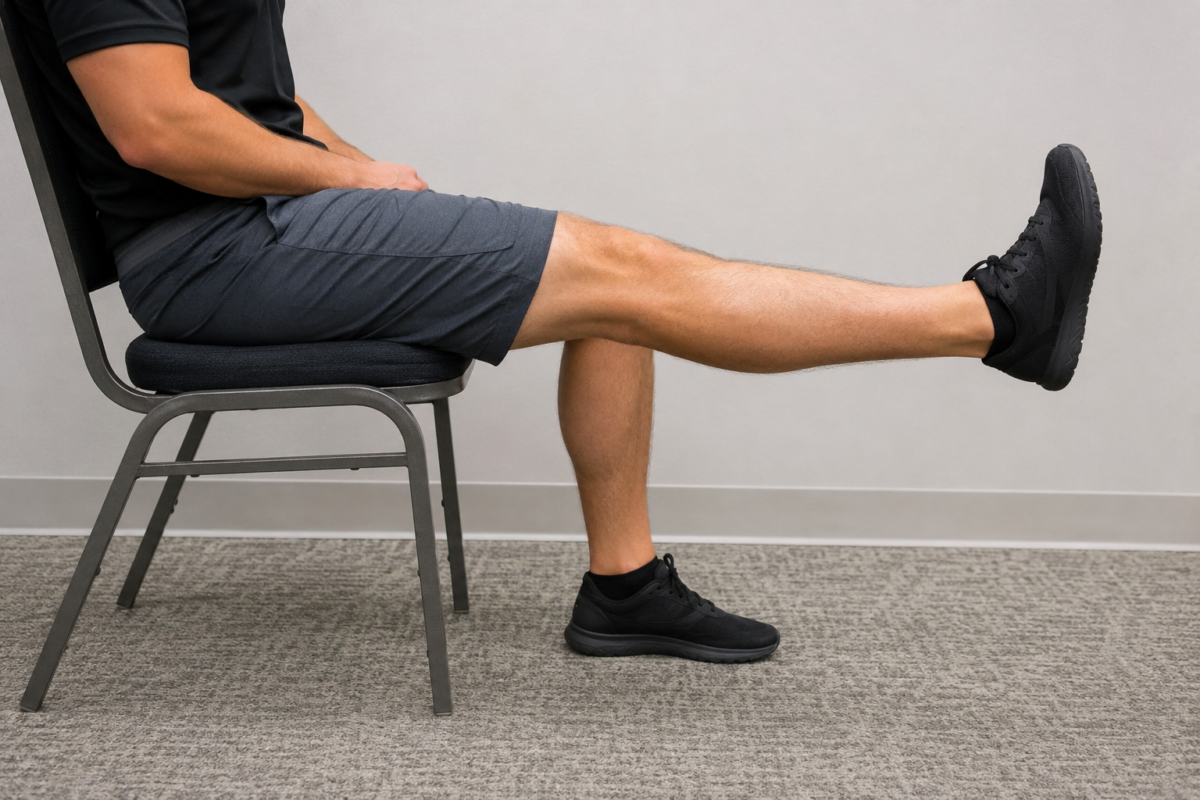
  3. The Movement: Start with your knee slightly bent and your heel on the floor. Slowly straighten your leg by pushing your knee back against the resistance of the band until your leg is fully straight.
  4. The Squeeze: Contract your quadriceps firmly at the top of the movement for two seconds.
  5. Repetitions: Perform 3 sets of 15 reps per leg.

Why Brighton Residents Need TKEs

Brighton’s unique landscape—from the steep inclines of Hanover to the uneven pebbles on the beach—places high demands on our knees. TKEs provide “functional” strength that translates directly to walking, climbing stairs, and downhill running.

Physio Tip: Avoid “locking” the knee back with momentum. The movement should be slow, controlled, and driven entirely by the muscles in your thigh.

Reclaim Your Knee Health

If you experience clicking, giving way, or persistent discomfort, a targeted exercise like the TKE might be your first step toward recovery. At Core Clinics, we combine advanced diagnostics with personalized rehab plans to keep you moving.

Contact Core Clinics Brighton today to book an assessment and ensure your knees are performing at their peak.

Do you experience more knee discomfort when walking uphill or descending stairs?

We accept BUPA insurance

Navigating Chiropractic Care with Bupa: Your Essential Guide to Health Insurance CoverIf you hold a Bupa health insurance policy and are seeking chiropractic care, understanding how your insurance cover works is essential for a seamless treatment journey. As a market leader, Bupa often includes chiropractors in its dedicated Osteopathy and Chiropractic Network. In addition, this network connects patients with recognized professionals.

The Key to Bupa Coverage: Referral and AuthorizationTo begin using your private medical insurance for chiropractic treatment, Bupa patients typically require an initial GP referral and an authorisation number from Bupa membership services. After you have your pre-authorisation details and membership number, your Bupa-recognised chiropractor can often manage the rest of your insurance cover needs.

Bupa operates a system where recognized practitioners submit invoices directly to Bupa for eligible treatment. This approach is distinctive, as Bupa handles its invoicing internally rather than relying on the provider-friendly third-party companies used by most other insurers. Therefore, you should always review the scope of your insurance cover to avoid misunderstandings.

Understanding Your Financial ResponsibilityWhile the provider handles the billing, patients must be proactive about their policy limits and any applicable excess. Bupa is the sole party responsible for informing you, the policyholder, about any outstanding excess payments. If your treatment fees do not cover your policy excess, Bupa will not pay the invoice. In that case, they will notify you that you are responsible for covering the shortfall directly with your clinic. Confirming your annual limits and excess before starting treatment is therefore a vital step in making the most of your insurance cover.

Confirming Covered ServicesIt is critical to verify the scope of your Bupa policy. Bupa primarily covers chiropractic and physiotherapy appointments. Related services such as sports massage are typically not covered. If a provider attempts to submit a claim for a service like massage, it will likely be self-billed by Bupa as chiropractic. As a result, the service is then subsequently not covered. Therefore, always ensure your treatment aligns specifically with the authorised chiropractic service to avoid unexpected costs.

We accept WPA insurance

Navigating WPA Insurance Claims for Chiropractic Care in Brighton

If you are a WPA (Western Provident Association) policyholder in Brighton or Hove, you have access to premium musculoskeletal healthcare. However, many patients at Core Clinics are unsure how to effectively use their private medical insurance for chiropractic treatment. Understanding the WPA insurance claims process is the key to accessing top-tier care without financial stress.


Why WPA Supports Chiropractic Treatment

WPA is recognized for its “Heritage” and “Protocol” plans, which prioritize rehabilitation and preventive care. They value Chiropractic care as an evidence-based solution for back pain, sciatica, and neck tension—common issues for Brighton’s remote workers and active coastal community. By seeking early intervention at Core Clinics, you align with WPA insurance principles of preventing minor aches from becoming chronic injuries.

Simple Steps to Start Your Claim

Navigating the WPA process is straightforward when you follow this clinical roadmap; in fact, WPA insurance makes claims easier with a step-by-step system.

  1. Check Your Benefit Limit: Review your policy via the WPA portal. Most plans include a dedicated budget for “Professional Fees” or “Complementary Medicine.”
  2. Pre-Authorization: Before visiting us at Core Clinics, call WPA to obtain a Pre-Authorization Code. This confirms your specific condition is covered.
  3. GP Referral: Some WPA policies require a quick GP referral. Our Brighton-based team can advise you on the requirements for local surgeries.
  4. Hassle-Free Billing: Bring your membership number and authorization code to your first appointment.

The Core Clinics Advantage

As WPA-recognized providers, Core Clinics adheres to the insurer’s strict clinical standards. We often provide direct billing, settling costs with WPA insurance so you can focus entirely on your recovery.

Note: Be sure to check your policy excess, as this is the initial amount you may need to pay before WPA coverage begins.

Don’t let your benefits go to waste. Contact Core Clinics today to maximize your WPA insurance cover and reclaim your mobility.

Do you have your WPA insurance authorization code ready for your initial assessment?

We accept AXA insurance

Managing Back Pain? How Your AXA Insurance Can Help

Living with chronic back pain, neck strain, or persistent joint discomfort can significantly impact your daily life. If you are an AXA health insurance policyholder, relief might be closer and more affordable than you think, especially if you have insurance cover for outpatient treatments. Many AXA private health insurance plans offer comprehensive insurance cover for outpatient treatments, including professional chiropractic care.

By utilizing your insurance benefits, you can address the root cause of your musculoskeletal pain without worrying about heavy out-of-pocket expenses. It is important to be aware of the details regarding your insurance cover before starting treatment.

Why Choose Chiropractic Care?

Chiropractors specialize in spinal health and body alignment. Safe, non-invasive, and drug-free, chiropractic adjustments help to:

  • Alleviate lower back and neck pain
  • Reduce tension headaches
  • Improve joint mobility and posture
  • Enhance overall physical wellness

Combining regular adjustments with your existing wellness routine supports a faster, more permanent recovery. Moreover, regular visits can be easier to manage when you have the right insurance cover in place.

How to Claim Your AXA Chiropractic Benefits

Using your AXA insurance for chiropractic treatment is a straightforward process. To ensure a smooth, hassle-free experience at our clinic, follow these simple steps before booking your initial consultation:

  1. Check Your Policy: Review your AXA health plan or call their customer service team directly. Confirm that your specific policy covers chiropractic care and check if you have an annual session limit or a policy excess to pay.
  2. Get a GP Referral: Some AXA insurance policies require a quick referral from your General Practitioner (GP) or a specialist before they will approve alternative therapies.
  3. Obtain an Authorization Code: Once approved, AXA will provide you with a unique pre-authorization code and confirm your allocated number of sessions.
  4. Book Your Appointment: Bring your AXA membership number and authorization code to our clinic. We can often handle the paperwork and bill AXA directly.

Don’t let pain dictate your lifestyle. With reliable insurance cover, you can access the care you need. Contact us today to schedule your appointment and take your first step toward pain-free living using your AXA insurance coverage.

SIJ self manipulation 2 | Brighton Chiropractor

SIJ self manipulation 2 | Brighton Chiropractor. In this post, we will discuss effective techniques for SIJ self manipulation that you can try at home. If you are curious about SIJ self manipulation and want practical advice, you are in the right place.

SIJ Self-Manipulation: Is It Safe to Crack Your Own Pelvis?

If you suffer from lower back pain, hip stiffness, or a deep ache in your buttocks, you might be dealing with Sacroiliac (SI) joint dysfunction. When that area feels locked up, the urge to twist, pop, or stretch until you feel a satisfying “crack” is incredibly tempting. Many people attempt manipulating their own SIJ, but self manipulation can be unsafe.

However, attempting SIJ self-manipulation can often do more harm than good. Understanding how the sacroiliac joint works is essential before attempting to adjust it at home.

The Risks of DIY Joint Cracking

The SI joints connect your spine to your pelvis. Unlike your knuckles or neck, these joints are built for stability, not mobility. They are supported by a powerful network of strong ligaments meant to absorb shock. Yet, self manipulation of the SIJ may put these ligaments at risk.

When you try to self-manipulate your SI joint by forcefully twisting your lower body, you usually aren’t releasing the stuck joint at all. Instead, you are likely hyper-extending the hypermobile joints directly above or below it. This can lead to:

  • Ligament Laxity: Stretching out the ligaments, making the pelvis even more unstable.
  • Increased Inflammation: Aggravating the surrounding nerves and worsening your pain.
  • Muscle Spasms: Triggering defensive muscle guarding as your body tries to protect the unstable joint.

Safe Alternatives to Relief at Home

Instead of forcing a pop, focus on gentle mobilization and stabilization exercises. These alternatives are safer than SIJ self manipulation performed at home.

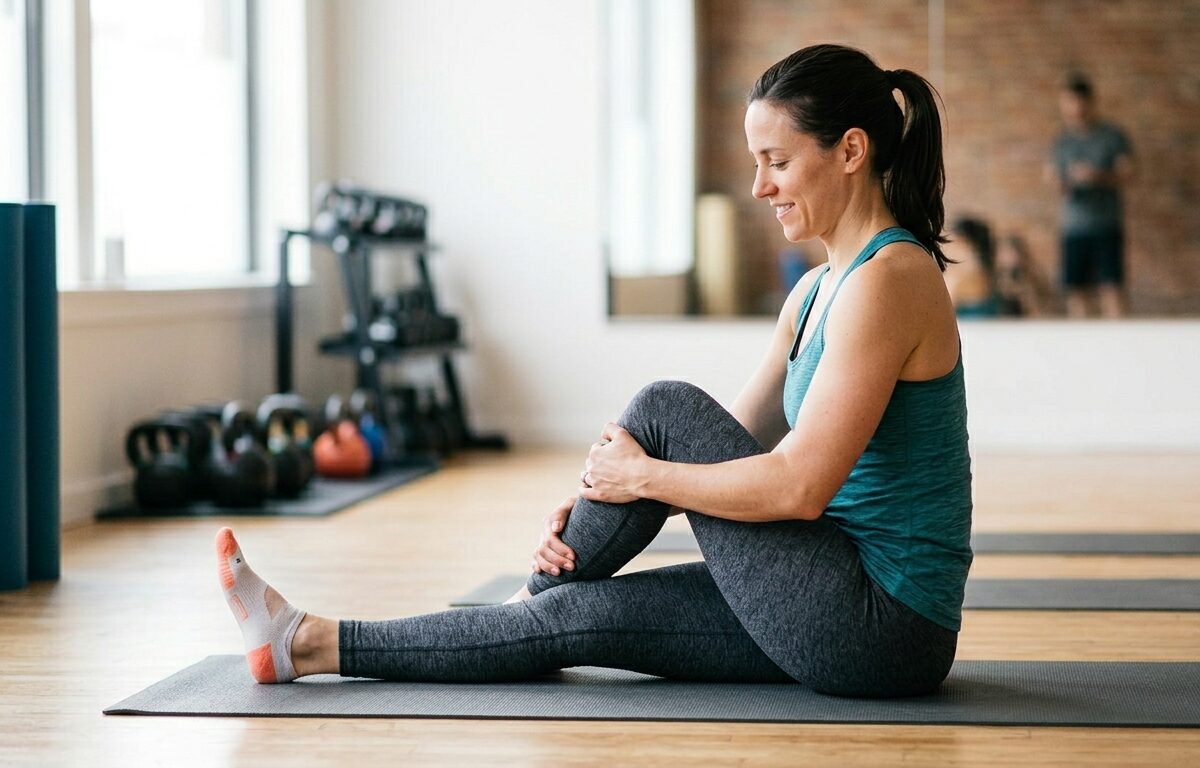
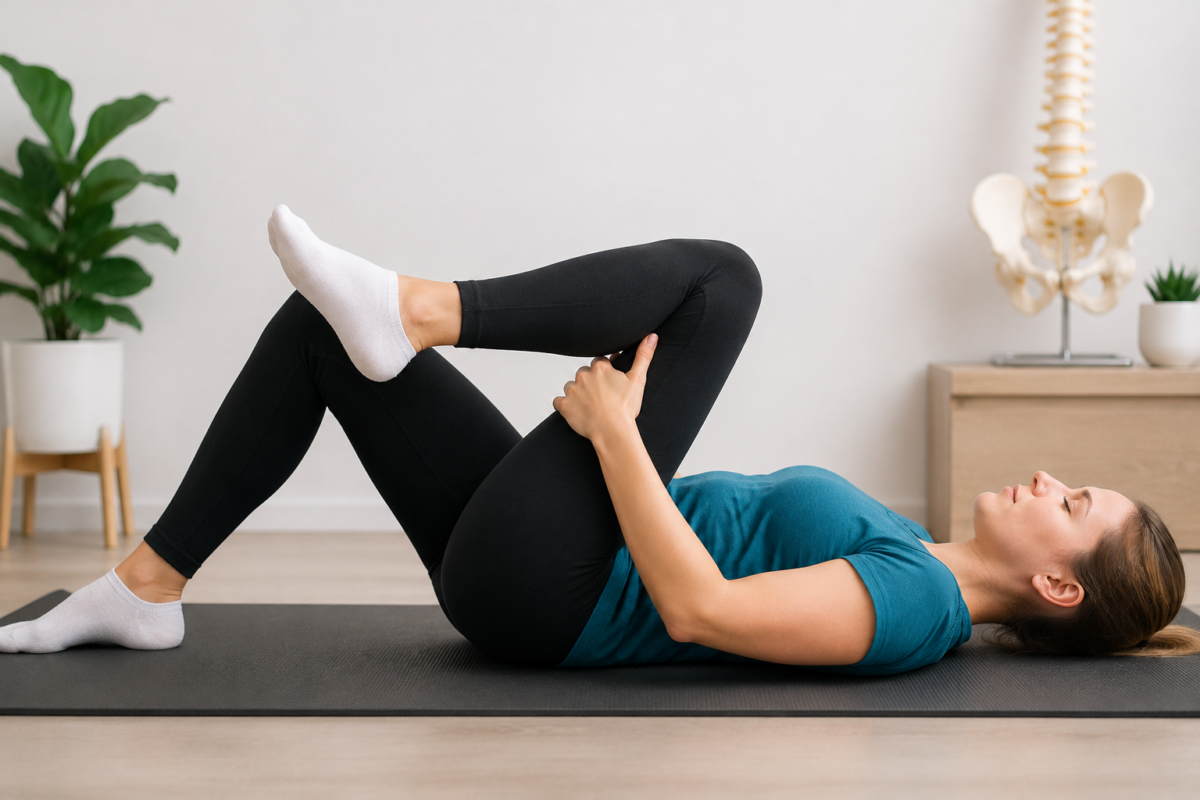
  • The Knee-to-Chest Stretch: Lie on your back and gently pull one knee toward your chest to subtly reset the pelvis.
  • Glute Bridges: Squeeze your glutes and lift your hips to build the strength needed to keep the SI joint in its proper place.

Professional Care for Lasting Relief

If your pelvis constantly feels out of alignment, it is time to skip the self-manipulation and see a professional. Chiropractors use targeted, precise adjustments to restore proper alignment to the SI joint safely, without straining the surrounding ligaments. For anyone frustrated with SIJ manipulation on their own, professional help offers lasting relief.

Stop the cycle of temporary cracking and painful rebounds. Contact our clinic today to book a comprehensive pelvic assessment and find lasting, safe relief.

SIJ self manipulation 1 | Brighton Chiropractor

The Hidden Risks of SI Joint Self-Manipulation: Why “Self-Cracking” Hurts More Than It Helps

Have you ever stood up from your desk, twisted your hips, and welcomed that loud pop in your lower back? If you suffer from sacroiliac (SI) joint dysfunction, that SIJ self manipulation might feel like instant relief. However, trying to “self-crack” your pelvis at home could actually be prolonging your lower back pain and driving you closer to a chronic injury.

Understanding the true mechanics of sacroiliac relief reveals why professional chiropractic care is essential for lasting recovery. It is important to note that SIJ self manipulation carries hidden risks.

Why Self-Cracking Gives False Relief

The SI joints connect your spine to your pelvis, acting as crucial shock absorbers. When your pelvis feels tight or locked up, twisting to force a “pop” releases endorphins and temporarily stretches surrounding muscles.

However, you aren’t actually realigning the joint. Because the SI joint is tightly bound by dense ligaments, forcing a pop usually mobilizes the hypermobile joints above or below the problem area. This creates a cycle of temporary relief followed by recurring, deeper stiffness.

The Dangers of Pelvic Instability

Consistently practicing SI joint self-manipulation can lead to micro-trauma. Repeatedly forcing the joint beyond its normal range of motion stretches the supporting ligaments. Over time, this leads to ligament laxity, causing chronic pelvic instability, muscle spasms, and localized pain in the buttocks or groin that mimics sciatica. SIJ self manipulation increases your risk of these outcomes.

How Chiropractic Care Resolves SI Joint Pain

Instead of aggressive twisting at home, safe recovery requires precision. A licensed chiropractor uses targeted manual therapy to restore proper mechanics:

  • HVLA Adjustments: High-Velocity, Low-Amplitude thrusts precisely target the restricted joint without over-stretching the surrounding ligaments.
  • Gentle Mobilization: Low-force techniques gently guide the pelvis back into alignment.
  • Targeted Rehabilitation: Combining manual care with core-stabilizing exercises ensures the pelvis remains balanced and supported.

Stop the cycle of temporary fixes. Though it may be tempting, SIJ self manipulation is not a safe alternative to professional care. If you are struggling with stubborn lower back or hip pain, schedule a comprehensive pelvic evaluation today to find true, long-term relief.

Scalenes stretch | Brighton Chiropractor

Relief for Tight Necks: The scalenes stretch is one of the most effective techniques your Brighton chiropractor recommends.

Between hours spent hunched over laptops in Brighton’s bustling tech hubs and chilly coastal walks along the seafront, neck tension is a common complaint for local residents. If you constantly feel a deep, stubborn ache at the side of your neck, or if you struggle to turn your head when checking your blind spot on the A23, your scalene muscles might be the culprits. For many experiencing neck discomfort, learning how to perform a scalenes stretch can make a notable difference in daily comfort.

Understanding how to safely stretch these muscles can be a game-changer for your posture, breathing, and overall comfort. With regular practice, the scalenes stretch will support neck relief and enhance your range of movement.

What and Where Are the Scalenes?

The scalenes are a group of three paired muscles (anterior, middle, and posterior) located on either side of your neck. They connect your cervical spine to your first two ribs. Specifically, stretching the scalenes muscles through a targeted scalenes stretch can help with tension.

Because of their location, they play a double role: they help rotate and bend your neck, and they act as “accessory muscles” for breathing by lifting your ribcage when you inhale. When you are stressed, cold, or slouching, these muscles overwork, tighten up, and can even compress nearby nerves, leading to numbness or tingling down your arm. That’s exactly when incorporating a scalenes stretch might relieve tightness.

How to Safely Perform the Scalenes Stretch

To release tension and restore mobility, try this simple, targeted stretch at your desk or home. This scalenes stretch routine is safe and effective for most people.

  1. Sit Tall: Sit upright in a supportive chair with your shoulders dropped down and relaxed.
  2. Anchor Your Ribs: Take your right hand and place it firmly over your left collarbone, applying gentle downward pressure to anchor the first rib. Performing a scalenes stretch correctly helps maximize the benefits.
  3. Tilt and Rotate: Gently tilt your right ear toward your right shoulder. To target the different strands of the scalenes, slowly rotate your chin upward toward the ceiling.
  4. Hold and Breathe: Hold this position for 20 to 30 seconds, taking deep, slow breaths into your belly rather than your chest. Repeat on the opposite side.

Important Tip: Never force a neck stretch. You should feel a gentle, lengthening pull, not a sharp or radiating pain.

When to Seek Professional Chiropractic Care in Brighton

While stretching provides excellent daily maintenance, chronic scalene tightness is often a symptom of an underlying structural issue, such as a misaligned cervical spine or poor rib mobility. In these cases, a scalenes stretch is beneficial, but a chiropractor’s expertise is also necessary.

If your neck tightness is accompanied by headaches, shoulder pain, or tingling in your fingers, a tailored assessment is necessary. At our Brighton chiropractic clinic, we focus on locating the root cause of your discomfort, combining precise spinal adjustments with soft tissue therapy to get you moving freely again. In addition, we may recommend a guided scalenes stretch as part of your care plan.

Don’t let neck pain hold you back from enjoying life on the coast. Contact our Brighton team today to book your comprehensive spinal evaluation.

Book your appointment today at https://ccsussex.co.uk/chiropractic-appointment-brighton/

Trapezius stretch | Brighton Chiropractor

Soothe Neck and Shoulder Tension: The Trapezius Stretch Your Brighton Chiropractor Recommends

Whether you are spending long hours working from a cafe in The Lanes or carrying a heavy rucksack along Brighton beach, your shoulders take a daily beating. If you constantly feel a heavy, burning ache at the base of your neck or across the top of your shoulders, your trapezius muscle is likely crying out for relief.

Learning how to properly stretch this vital muscle group can quickly melt away stress and restore your range of motion.

The Burden on Your “Traps”

The trapezius is a large, kite-shaped muscle extending from the base of your skull, across your shoulders, and down the middle of your back. It bears the brunt of modern life. Poor desk ergonomics, driving stress on the A27, and even cold coastal winds that cause you to hunch your shoulders all force the upper trapezius into a state of chronic contraction. This tightness frequently triggers stubborn tension headaches and restrictive stiffness.

The Seated Upper Trapezius Stretch

To release this built-up tension at your desk or home, try this highly effective stretch:

  1. Set Your Posture: Sit up straight in a chair and anchor your left hand under the seat to keep your left shoulder pinned down.
  2. Tilt Your Head: Gently lower your right ear toward your right shoulder.
  3. Deepen Gently: Place your right hand lightly on top of your head, applying just enough weight to increase the stretch along the left side of your neck.
  4. Hold: Take deep, relaxing breaths for 20 to 30 seconds. Repeat on the other side.

Get Expert Relief in Brighton

While stretching offers fantastic temporary relief, chronic trapezius knots are often a warning sign of underlying joint dysfunction in the cervical or thoracic spine.

If your shoulder tension keeps returning, our Brighton chiropractic clinic is here to help. We pinpoint the root alignment issues, using precise spinal adjustments and targeted soft-tissue therapies to get you moving freely. Contact our Brighton team today to book your consultation.