Core Chiropractic Brighton, 2 Circus Parade, New England Road, Brighton, BN1 4GW
01273 933 170

Category Archives: HOME EXERCISES

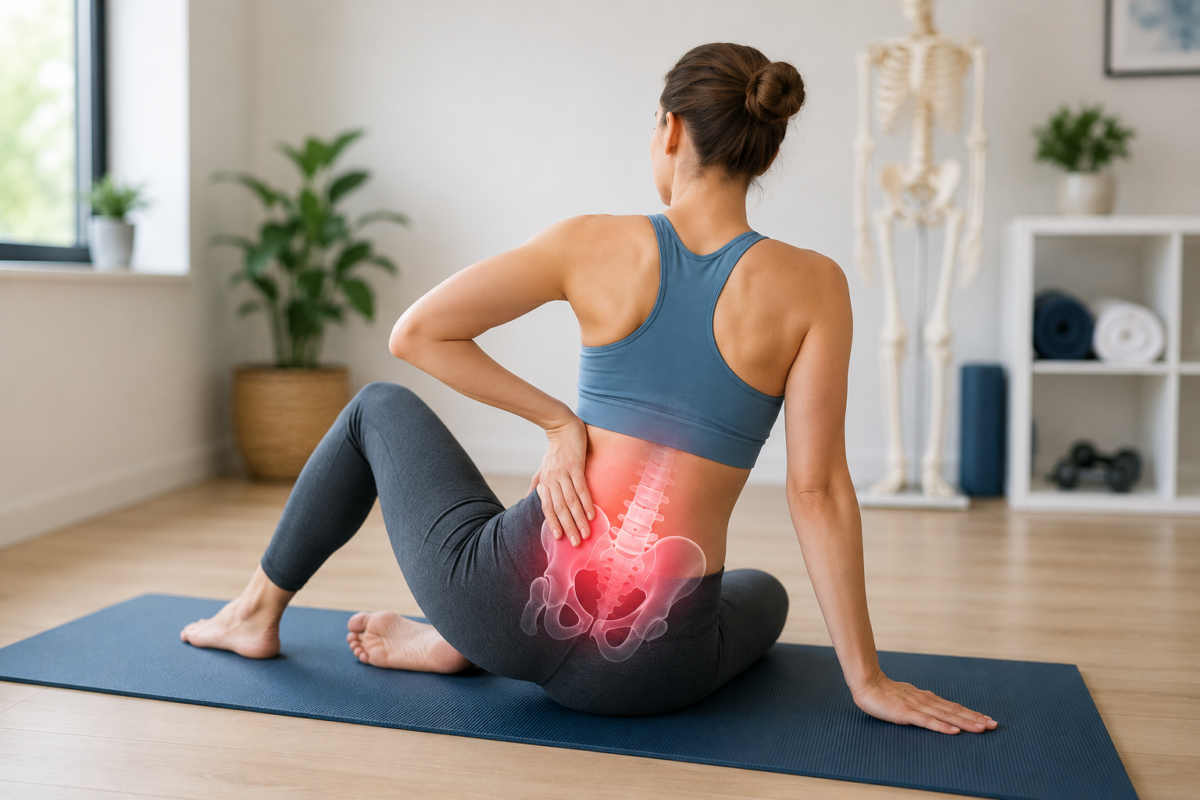
Exercises for Pelvic Joint Pain

Understanding Pelvic Joint Pain

The pelvis consists of several joints, including the sacroiliac (SI) joints, which connect the spine to the pelvis. Dysfunction or irritation in these joints can lead to pain in the lower back, buttocks, hips, or groin. Strengthening the muscles that support the pelvis can improve stability and reduce strain on these structures, ultimately helping to relieve pain symptoms over time.

Pelvic Tilts

Pelvic tilts help improve mobility and activate the core muscles that support the lower back and pelvis. By incorporating this simple move into your routine, you can target the muscles involved in managing pelvic joint pain. Lie on your back with your knees bent and gently flatten your lower back against the floor by tilting your pelvis. Hold for a few seconds before relaxing.

Glute Bridges

Strong gluteal muscles are essential for pelvic stability. Since weakness here can contribute to pelvic joint pain, lie on your back with your knees bent and feet flat on the floor. Lift your hips towards the ceiling while squeezing your glutes, then slowly lower back down.

Clamshells

This exercise strengthens the hip stabilisers, which can help individuals with pelvic pain around the joint experience better mobility. Lie on your side with your knees bent and feet together. Keeping your feet touching, slowly lift the top knee while maintaining a stable pelvis.

Gentle Hip Stretches

Tight hip muscles can contribute to pelvic discomfort. For those struggling with joint pain in the pelvic area, gentle stretching of the hip flexors, piriformis, and hamstrings may help improve flexibility and reduce tension around the pelvis.

Chiropractic Care for Pelvic Joint Pain in Brighton

While exercises can play a valuable role in recovery, professional assessment is important to identify the underlying cause of pelvic joint pain. At our Brighton chiropractic clinic, we provide personalised treatment plans that may include chiropractic adjustments, soft tissue therapy, posture advice, and rehabilitation exercises.

If pelvic joint pain is affecting your quality of life, seeking expert chiropractic care can help restore movement, improve function, and support your return to everyday activities.

Book your appointment now https://ccsussex.co.uk/chiropractic-appointment-brighton/
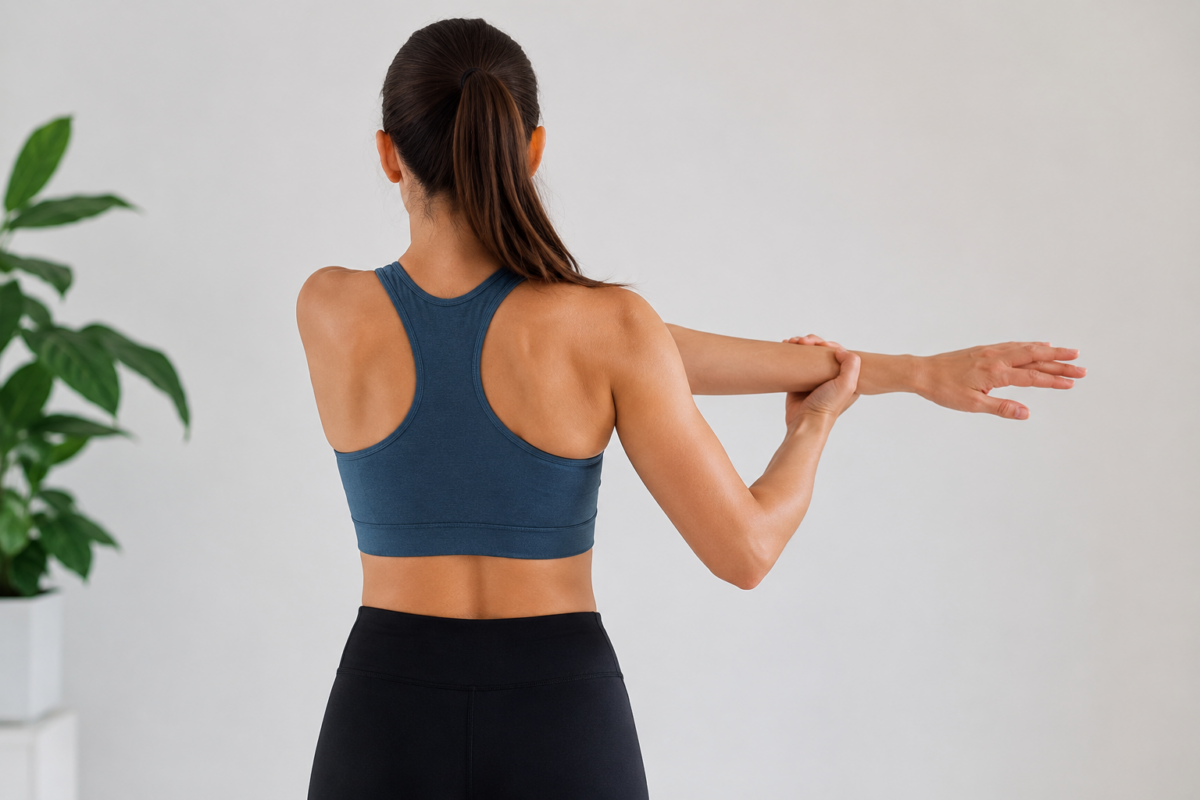
External Rotator Cuff Stretch

Revitalize Your Shoulders: The Essential Guide to External Rotator Cuff Stretches

Whether you’re a swimmer training at the Prince Regent Complex or a professional navigating the “tech-neck” challenges of remote work in Brighton, shoulder health is non-negotiable. At Brighton Physiotherapy, we see a high volume of patients struggling with impingement and instability. One of the most effective ways to combat this is by mastering a stretch specifically designed for the external rotator cuff muscles.


Understanding Your Rotator Cuff

The rotator cuff is a group of four muscles—the supraspinatus, infraspinatus, teres minor, and subscapularis. While the “internal” rotators are often overworked by typing and driving, the external rotators (located at the back of the shoulder) often become tight and restricted. This imbalance is a leading cause of “rounded shoulders” and chronic aches. In this context, utilizing rotator cuff stretches that target the external muscles is helpful for long-term shoulder health.

The “Doorway” External Rotation Stretch

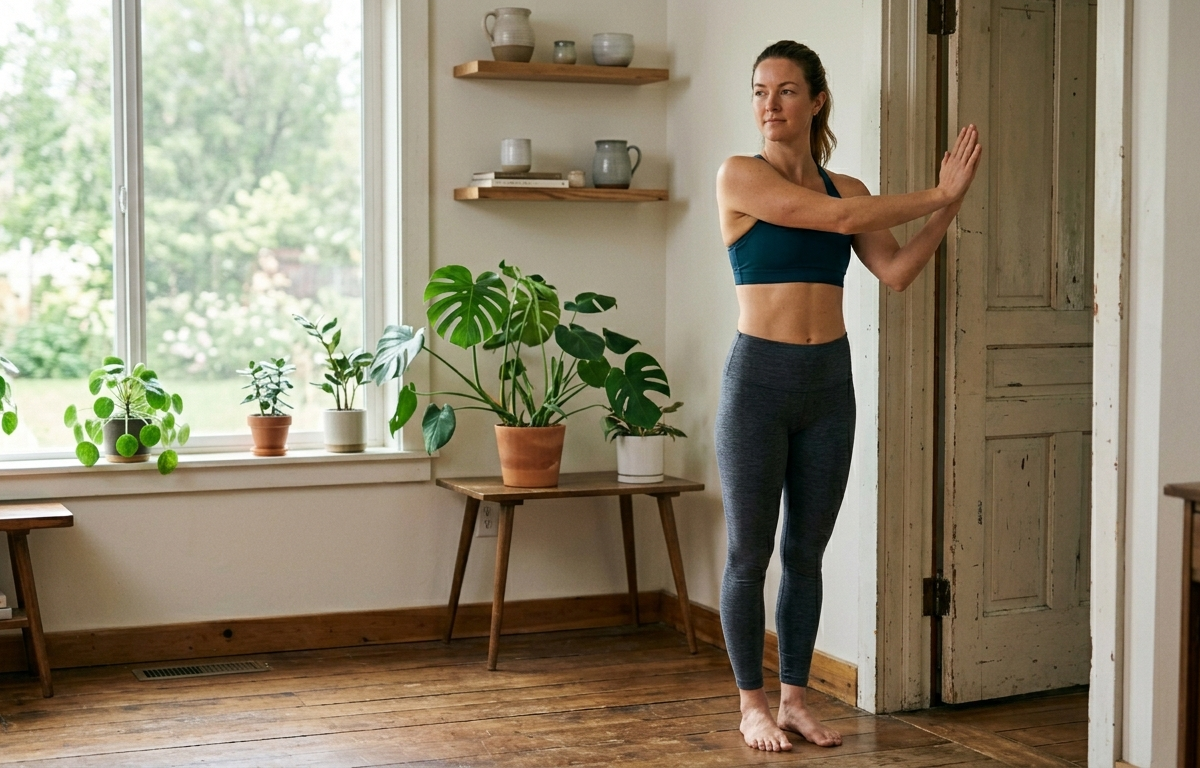
This is our favorite clinical variation because it is safe, effective, and requires no special equipment. Furthermore, the doorway method is an excellent choice to focus on stretching the external rotator cuff area.

  1. The Setup: Stand in a doorway or next to a sturdy pillar. Bend your elbow to 90 degrees, keeping it tucked firmly against your ribs.
  2. The Anchor: Place the back of your wrist or a light weight against the doorframe.
  3. The Rotation: Slowly rotate your entire body away from your anchored arm while keeping the elbow pinned to your side.
  4. The Sensation: You should feel a deep, controlled stretch across the front of the shoulder and into the shoulder blade.
  5. Duration: Hold for 30 seconds per side, repeating three times.

Why It Works for Brighton Locals

Living an active lifestyle on the coast means your shoulders take a beating—from paddleboarding at the seafront to carrying heavy bags through the Lanes. By performing this external rotator cuff stretch daily, you:

  • Prevent Impingement: Create space in the shoulder joint to avoid “pinching” during overhead movements.
  • Correct Posture: Open up the chest and pull the humerus (arm bone) back into its proper socket.
  • Boost Performance: Increase the range of motion for sports like tennis or golf.

Warning: If you feel sharp, radiating pain down the arm, stop immediately. This may indicate a tear or nerve compression that requires a professional assessment.

Expert Care at Brighton Physiotherapy

Don’t let shoulder stiffness limit your lifestyle. Our clinicians specialize in biomechanical analysis to find the root cause of your tension. Contact Brighton Physiotherapy today to book your consultation and get your shoulders back in sync. For persistent discomfort, we recommend discussing options like external rotator cuff stretches with your physiotherapist.

Do you find your shoulder pain is worse in the morning or after a long day at your desk? If so, considering rotator cuff stretch routines—especially those that externally rotate the shoulder—may provide relief.

Core Strengthening routine

Elevate Your Stability: The Ultimate Core Strengthening Routine at Brighton Physiotherapy

When most people think of “the core,” they envision six-pack abs. However, as any Brighton Physiotherapist will tell you, your core is actually a complex 360-degree cylinder of muscle that stabilizes your entire spine. Whether you are navigating the uneven pebbles of Brighton Beach or training for the Brighton Marathon, a robust core is the foundation of every movement you make. In fact, developing core strengthening safely improves almost every activity.


Beyond the Crunch: Why Core Strength Matters

A weak core often manifests as chronic lower back pain, poor posture, and decreased athletic power. At Brighton Physiotherapy, we prioritize “functional stability.” This means training your muscles to work together to support your torso, protecting your discs and nerves from unnecessary shear forces. The process prioritizes not only strength, but also purposeful core strengthening for complete physical wellbeing.

The Essential 3-Move Routine

You don’t need a gym membership to build a resilient midsection. Incorporate these three clinical favorites into your daily habit and enjoy the results of evidence-based strengthening core practices:

  • The Dead Bug: Lie on your back with arms raised and knees at 90 degrees. Slowly lower the opposite arm and leg toward the floor while keeping your lower back pressed firmly against the ground. This builds lumbar stability.
  • The Bird-Dog: From all fours, extend your right arm and left leg simultaneously. Focus on keeping your hips level like a tabletop. This targets the multifidus and glutes.
  • The Modified Side Plank: Prop yourself up on your forearm and knees (or feet for a challenge). This strengthens the obliques and quadratus lumborum, essential for lateral stability.

Local Benefits for Brighton Residents

From the steep inclines of Hanover to the windy gusts along the Promenade, Brighton’s geography demands a stable center of gravity. Implementing a consistent regimen for strengthening your core can be a game changer for city living. A dedicated core routine improves balance—essential for our older residents—and enhances force transfer for the city’s many cyclists and kitesurfers.

Physio Insight: Core strength is about endurance, not just power. It’s better to perform a move perfectly for 20 seconds than to struggle through a minute with poor form.

Take the Next Step

If you’re struggling with recurring back issues or feel “weak in the middle,” it’s time for a professional tune-up. Our team at Brighton Physiotherapy provides personalized biomechanical assessments to identify which specific core muscles are letting you down. As a result, a renewed focus on strengthening your core can transform your physical health and reduce pain.

Book your consultation today and build a foundation that lasts.

Are you looking to strengthen your core for a specific sport, or are you primarily focused on relieving daily back discomfort? If so, our Brighton team specializes in creative core strengthening programs to fit your needs.

External Rotation Shoulder Stretch (overhead stretch with cane)

Optimize Your Overhead Reach: The External Rotation Shoulder Stretch with Cane

For the active community in Brighton—from the sea swimmers at the West Pier to the racket sports enthusiasts at Withdean—shoulder mobility is the key to longevity. One of the most frequent limitations we see at Brighton Physiotherapy is a lack of overhead external rotation. When this movement is restricted, activities like reaching for a high shelf or performing a tennis serve can lead to painful impingement.

The External Rotation Shoulder Stretch using a cane (or a broomstick) is a clinical gold standard for safely expanding your range of motion.


Why Use a Cane?

Unlike “passive” stretches where you gravity-hang, using a cane allows for precise, controlled leverage. It enables you to push the shoulder into a deeper range of external rotation while keeping the joint centered in the socket. This is particularly beneficial for those recovering from “frozen shoulder” (adhesive capsulitis) or post-operative stiffness.

How to Perform the Overhead Cane Stretch

To maximize results and protect your rotator cuff, follow this guided technique:

  1. The Setup: Stand tall or sit upright. Hold a cane (or PVC pipe) in both hands.
  2. Position the Target Arm: Lift your affected arm so your elbow is at shoulder height, bent at a 90-degree angle (the “high-five” position).
  3. The Leverage: Hold the bottom of the cane with your “good” hand. Pass the top of the cane behind your target arm’s elbow and grasp the top with the target hand.
  4. The Stretch: Using your bottom hand, gently push the cane forward. This will leverage your target hand and forearm backward, rotating the shoulder externally.
  5. Hold: Keep your shoulder blade tucked down and back. Hold for 30 seconds, breathing into the tension.

Clinical Benefits for Brighton Patients

  • Impingement Prevention: Clears space under the acromion bone to prevent “pinching.”
  • Postural Correction: Counters the internal rotation caused by long hours of cycling or office work.
  • Enhanced Athleticism: Vital for improving the “cocking phase” in throwing or overhead sports.

Physio Note: If you feel a sharp pinch in the top of the shoulder, reduce the height of your elbow slightly. The stretch should feel like a deep “opening” in the front of the joint.

Professional Guidance at Brighton Physiotherapy

If you are experiencing “clicking” or sharp pain during overhead movements, a DIY approach may not be enough. At Brighton Physiotherapy, we provide comprehensive shoulder screens to differentiate between simple tightness and structural issues like labral tears.

Reclaim your overhead mobility today—contact our Brighton clinic for an expert consultation.

Sleeper Stretch – for tight or frozen shoulders

Why Toe Stretching is the Best Foot Forward for Your Health

When you think of chiropractic care, your mind probably goes straight to spinal adjustments and neck alignments. But at our Brighton clinic, we look at the whole picture—and that picture starts right at the bottom with your feet. Specifically, your toes. Interestingly, stretches targeting your shoulders can also benefit posture, but today we’re focusing on your toes.

If you spend your days walking down the Lanes or commuting across Sussex, your feet take a beating. Jamming them into tight shoes can lead to issues that ripple all the way up your body. That’s where toe stretching comes in.

The Benefits of Toe Stretching

Toe stretching is a simple yet powerful practice that restores natural alignment, improves flexibility, and strengthens the muscles in your feet. By regularly spreading and lengthening your toes, you can: For overall body alignment, don’t neglect a good shoulder stretch either—balance above starts below.

  • Relieve Plantar Fasciitis: Stretching releases tension in the connective tissue beneath your foot.
  • Improve Balance and Posture: A wider base of support means better stability on Brighton’s uneven pavements.
  • Alleviate Lower Back Pain: Misaligned feet change how you walk, which places extra stress on your knees, hips, and spine.

Did you know? Your feet contain 26 bones and 33 joints. When they are stiff, your spine has to compensate for the lack of shock absorption.

How to Do It

You don’t need fancy equipment to start. Try the Interlace Technique: sit comfortably, take your fingers, and weave them between your toes. Gently squeeze and stretch them apart for 30 seconds. Alternatively, invest in a pair of silicone toe separators to wear while relaxing at home. Likewise, shoulder stretch movements can complement your overall mobility routine.

Visit Our Brighton Chiropractic Clinic

Healthy movement starts from the ground up. If you are struggling with foot discomfort, nagging back stiffness, or postural issues, toe stretching is a great home remedy—but professional care makes the real difference. Just as a shoulder stretch can support upper body wellness, regular toe stretching supports your foundation.

Our experienced Brighton chiropractors are here to help you find long-term relief.

Book your consultation today https://ccsussex.co.uk/chiropractic-appointment-brighton/
Doorway Stretch

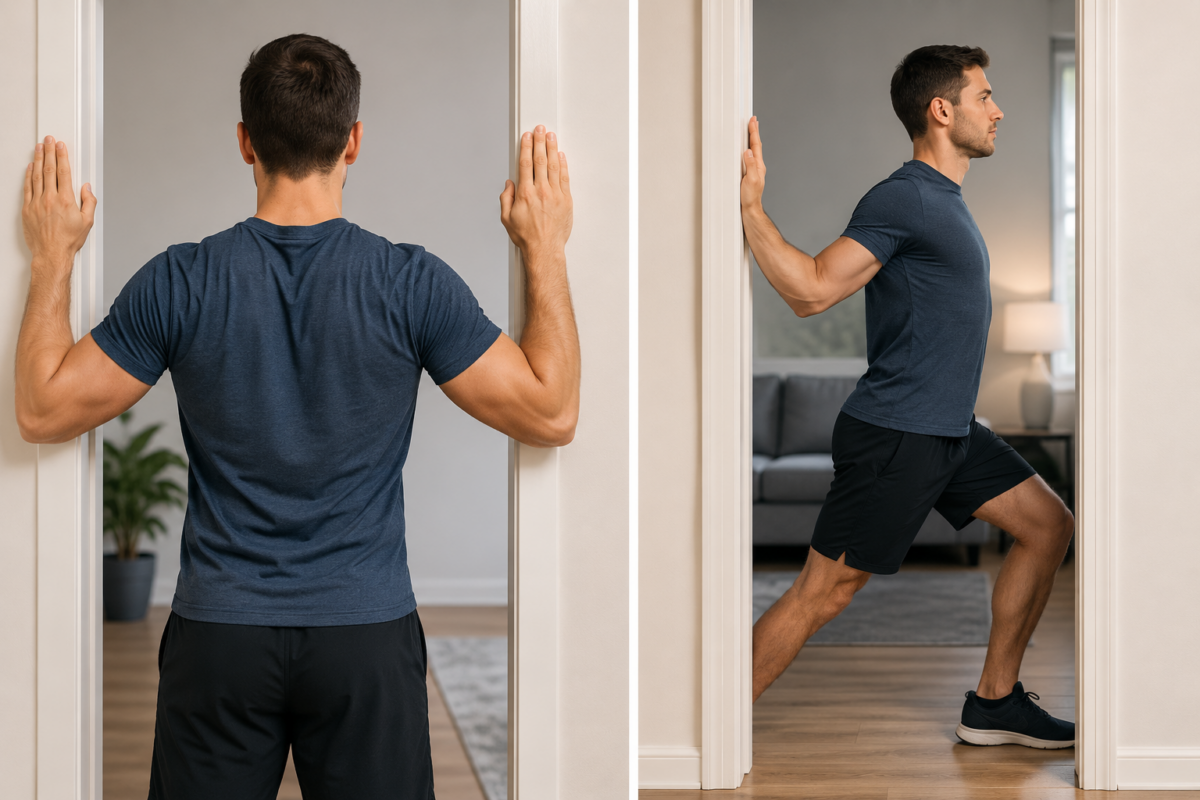
The Doorway Stretch is a great exercise to help with Frozen Shoulder or rotator cuff injury.

Doorway Stretch: A Simple Exercise for Better Posture and Shoulder Mobility

The Doorway Stretch is one of the most effective exercises for improving chest flexibility, reducing shoulder tension, and promoting better posture. At our chiropractic clinic in Brighton, we often recommend this simple stretch to patients. These patients typically spend long hours sitting at a desk, working on computers, or using mobile devices. These daily habits can contribute to tight chest muscles and rounded shoulders. As a result, you may experience discomfort and restricted movement.

To perform the Doorway Stretch, stand in an open doorway and place your forearms on either side of the door frame with your elbows bent at approximately 90 degrees. Step forward slowly with one foot until you feel a gentle stretch across the chest and the front of the shoulders. Next, hold the position for 20 to 30 seconds while breathing steadily. Then return to the starting position. Repeat two to three times as needed.

Regularly performing the Doorway Stretch can help counteract the effects of poor posture by opening the chest and encouraging proper shoulder alignment. Improved flexibility in the pectoral muscles may reduce strain on the neck, upper back, and shoulders. In addition, many people in Brighton experience tension in these areas due to sedentary lifestyles. This fact makes this stretch a valuable addition to a daily wellness routine.

Chiropractic care focuses on restoring healthy movement and function throughout the body. While spinal adjustments can help improve joint mobility, combining treatment with targeted stretches like the Doorway Stretch can enhance results. In addition, this approach supports long-term musculoskeletal health. Therefore, maintaining flexibility and proper posture is essential for preventing recurring discomfort. It also improves overall quality of life.

If you are experiencing neck pain, shoulder stiffness, upper back discomfort, or posture-related issues, a chiropractor in Brighton can assess your condition and create a personalised treatment plan. Incorporating simple exercises such as the Doorway Stretch alongside professional chiropractic care may help improve mobility. It can also reduce tension and support a healthier, more active lifestyle.

Book your appointment today and discover how chiropractic care can help you move and feel better every day.

Book your appointment now https://ccsussex.co.uk/chiropractic-appointment-brighton/
Peroneus Stretch | Brighton Physiotherapy

What Is the Peroneus Stretch?

The Peroneus Stretch helps improve flexibility and relieve tension in the peroneal muscles, which run along the outer side of the lower leg. The peroneus longus and peroneus brevis muscles play a vital role in ankle stability and foot movement during walking, running, jumping, balancing, and other everyday activities. Because these muscles work continuously to support movement, they can become tight or overworked, particularly in athletes, runners, dancers, and people who spend long periods on their feet.

Understanding and regularly performing the Peroneus Stretch can help maintain healthy ankle function and reduce discomfort caused by muscle tightness.

How to Perform the Peroneus Stretch

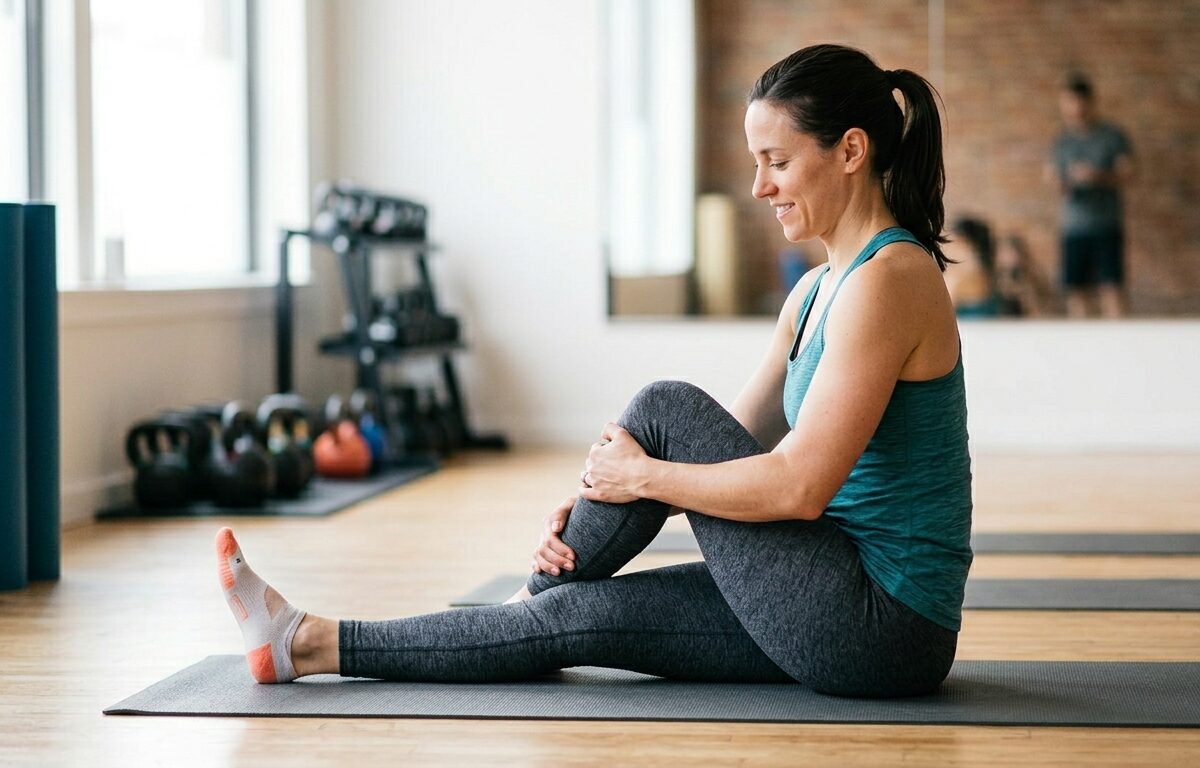
One of the simplest ways to perform the Peroneus Stretch involves sitting on the floor with both legs extended in front of you. Gently rotate your ankle inward while pointing your toes slightly downward. This position targets the outer calf and ankle area where the peroneal muscles are located.

Hold the stretch for 20 to 30 seconds before relaxing. Repeat the movement several times on each leg. Focus on slow, controlled movements and steady breathing throughout the stretch. Aim for a gentle pulling sensation rather than pain.

Benefits of the Peroneus Stretch

Regularly performing the Peroneus Stretch can provide several important benefits. The stretch increases flexibility in the ankle and improves overall range of motion, helping you move more efficiently during sports and daily activities.

Additional benefits include:

  • Improved ankle mobility and flexibility
  • Better balance and stability
  • Reduced muscle tightness and stiffness
  • Lower risk of ankle sprains
  • Enhanced movement efficiency during physical activity

Many rehabilitation professionals also recommend this stretch after minor ankle injuries to support recovery and restore normal movement.

Supporting Long-Term Ankle Health

The Peroneus Stretch does more than improve flexibility. It can also boost circulation, reduce post-exercise muscle fatigue, and prepare the lower legs for physical activity. Many people include it in their warm-up and cool-down routines to maintain healthy muscles and joints.

By stretching the peroneal muscles consistently, you can support better posture, stronger ankle stability, and improved lower-leg function for both everyday movement and athletic performance.

Pigeon Stretch | Brighton Physiotherapy

Pigeon Stretch | Brighton Physiotherapy

What Is the Pigeon Stretch?

The pigeon stretch is a popular mobility exercise often recommended in chiropractic care to improve flexibility, reduce muscle tension, and support spinal alignment. This stretch primarily targets the hips, glutes, and lower back. These areas are commonly associated with stiffness and discomfort due to prolonged sitting, poor posture, or physical strain.

Benefits of the Pigeon Stretch in Chiropractic Care

In chiropractic practice, maintaining proper movement in the hips and pelvis is essential for overall spinal health. Tight hip muscles can create imbalance in the pelvis, placing additional stress on the lower back and surrounding joints. The pigeon stretch helps release tension in the piriformis muscle and hip rotators. As a result, it improves mobility and promotes better posture. Chiropractors may include this stretch as part of a rehabilitation or wellness program for patients experiencing lower back pain, sciatica, or reduced flexibility.

How to Perform the Pigeon Stretch

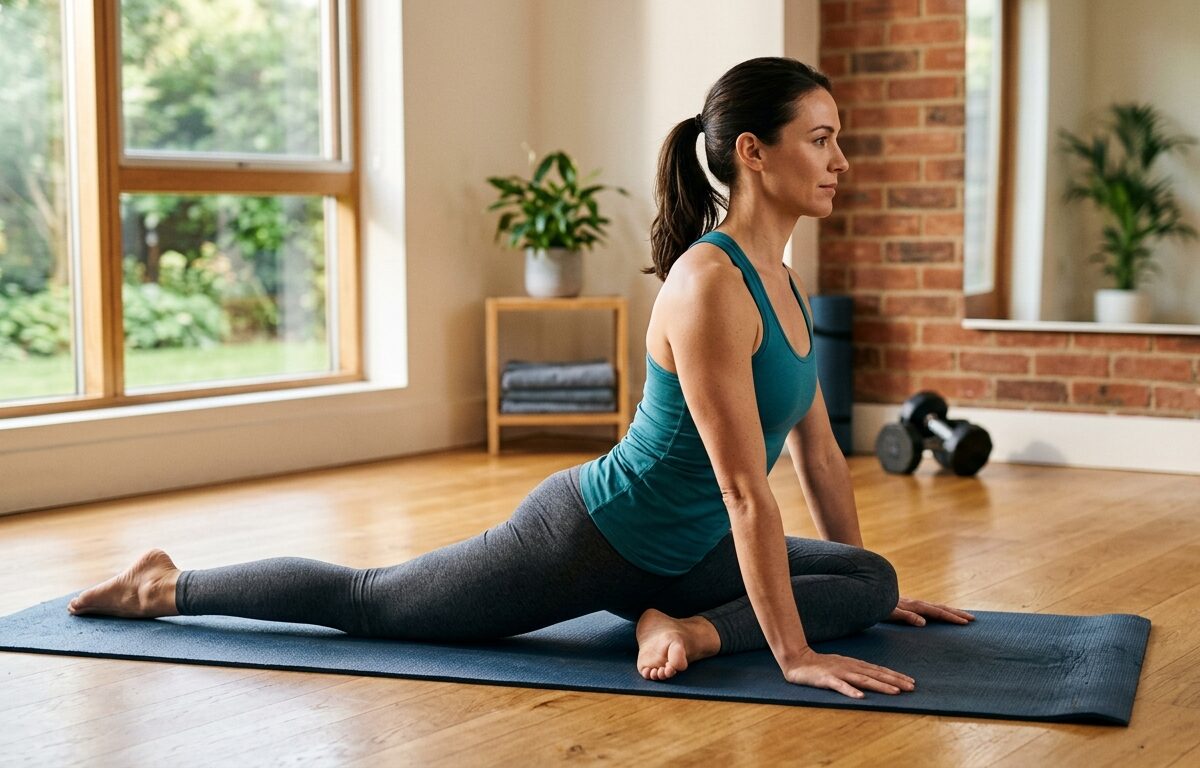
To perform the pigeon stretch, begin in a plank or tabletop position. Bring one knee forward and place it behind the wrist on the same side. Extend the opposite leg straight behind the body. Next, lower the hips gently toward the floor and keep the chest lifted. For a deeper stretch, lean the upper body forward while maintaining steady breathing. Hold the position for 20 to 30 seconds before switching sides.

Supporting Recovery and Injury Prevention

When combined with chiropractic adjustments, the this exercise may enhance recovery by supporting muscle relaxation and joint mobility. Regular stretching can also improve circulation, reduce muscle tightness, and help prevent future injuries. However, individuals with hip injuries or severe pain should consult a chiropractor or healthcare professional before attempting the stretch.

Why Add the Pigeon Stretch to Your Routine?

Overall, the pigeon stretch is a simple yet effective exercise that complements chiropractic treatment by encouraging flexibility, balance, and healthy movement patterns. Incorporating it into a daily routine can contribute to improved comfort, posture, and overall musculoskeletal health.

Patients often report reduced stiffness, improved hip range of motion, and greater ease during daily activities after consistent practice.

Book your appointment now https://ccsussex.co.uk/chiropractic-appointment-brighton/
Seated Figure Four Stretch | Brighton Physiotherapy

What Is the Seated Figure Four Stretch?

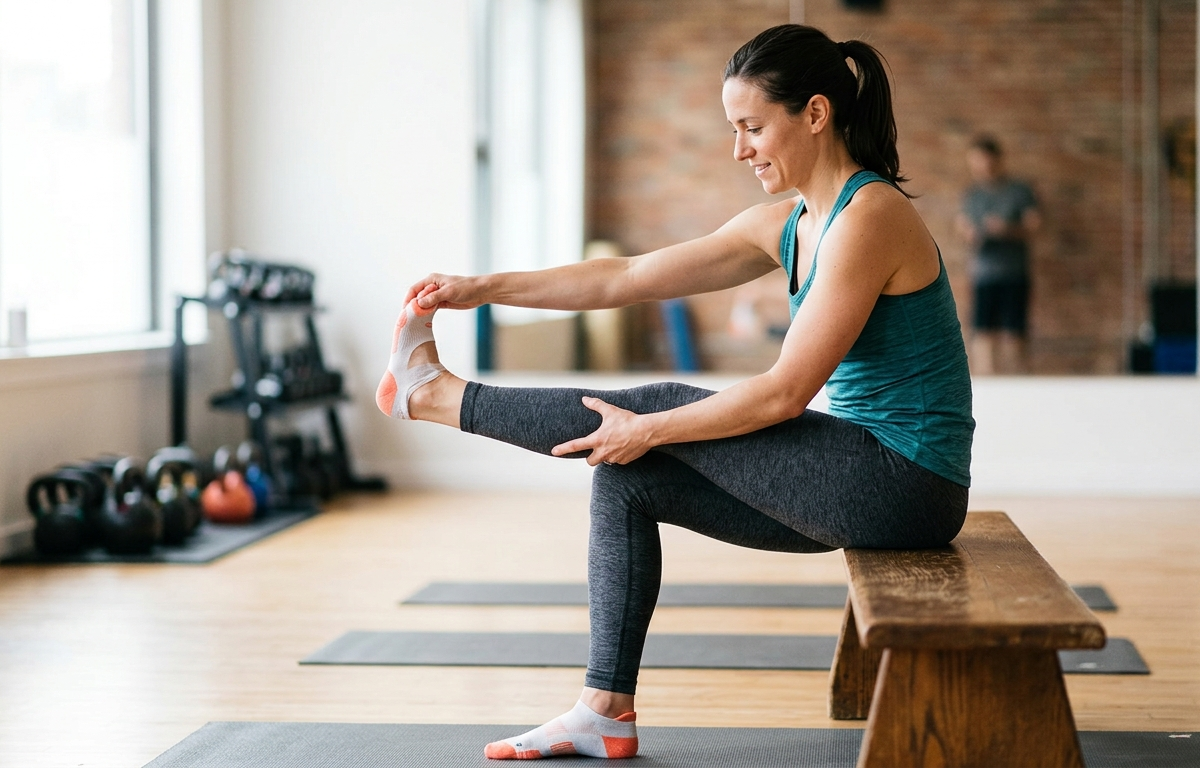
The Seated Figure Four Stretch is a highly effective mobility exercise that Brighton Physiotherapy professionals frequently recommend to relieve tension in the hips, glutes, and lower back. If you’re exploring treatment options at Brighton Physiotherapy, this stretch provides a good example of the exercises therapists often use to improve movement and reduce discomfort. It is particularly beneficial for people experiencing hip tightness, piriformis discomfort, sciatica symptoms, or stiffness caused by prolonged sitting. Physiotherapists commonly include this stretch in rehabilitation programmes to improve flexibility, mobility, and overall movement quality.

How to Perform the Seated Figure Four Stretch

To perform the exercise, sit upright in a chair with both feet flat on the floor. Cross one ankle over the opposite knee to create a “figure four” position. Keep your back straight and gently lean forward from the hips until you feel a comfortable stretch in the buttock and outer hip area. Hold the stretch for 20–30 seconds while maintaining steady breathing. Slowly return to the starting position before switching sides. Brighton Physiotherapy specialists often recommend repeating the stretch several times throughout the day to improve hip mobility and reduce muscular tension.

Benefits of the Seated Figure Four Stretch

Physiotherapists frequently use the Seated Figure Four Stretch because it is safe, low impact, and suitable for most fitness levels. The stretch can help:

  • Improve hip flexibility and mobility
  • Reduce tension in the glutes and piriformis muscle
  • Ease lower back discomfort
  • Support better posture and movement patterns
  • Decrease pressure on the lower spine and surrounding muscles

Office workers, runners, cyclists, and individuals recovering from lower back or hip injuries often benefit from adding this stretch to their routine.

The Importance of Proper Technique

Physiotherapists guide patients through the correct technique to ensure they perform the stretch safely and effectively. Maintaining proper form helps maximise the benefits of the exercise while reducing the risk of strain or irritation. Consistent practice can also help prevent recurring discomfort and support long-term joint and muscle health.

When to Seek Professional Physiotherapy Advice

If you experience ongoing hip pain, reduced mobility, or persistent lower back discomfort, a physiotherapist can assess your condition and create a personalised treatment plan. A professional assessment can identify the underlying cause of your symptoms and help you recover more effectively through targeted exercises, hands-on treatment, and movement advice.

Book your appointment now https://ccsussex.co.uk/chiropractic-appointment-brighton/
Modified Pigeon Stretch | Brighton Physiotherapy

Modified Pigeon Stretch | Brighton Physiotherapy

Master the Modified Pigeon Stretch: Relief for Tight Hips in Brighton

If you spend your days navigating the hilly streets of Brighton or sitting at a desk in the North Laine, your hips are likely feeling the pinch. Tight hip flexors and glutes are more than just a nuisance; they are often the hidden culprits behind chronic lower back pain and reduced athletic performance. At Brighton Physiotherapy, we frequently recommend the Modified Pigeon Stretch as a foundational tool for restoring mobility without the strain of traditional yoga poses.


Why “Modified” Matters

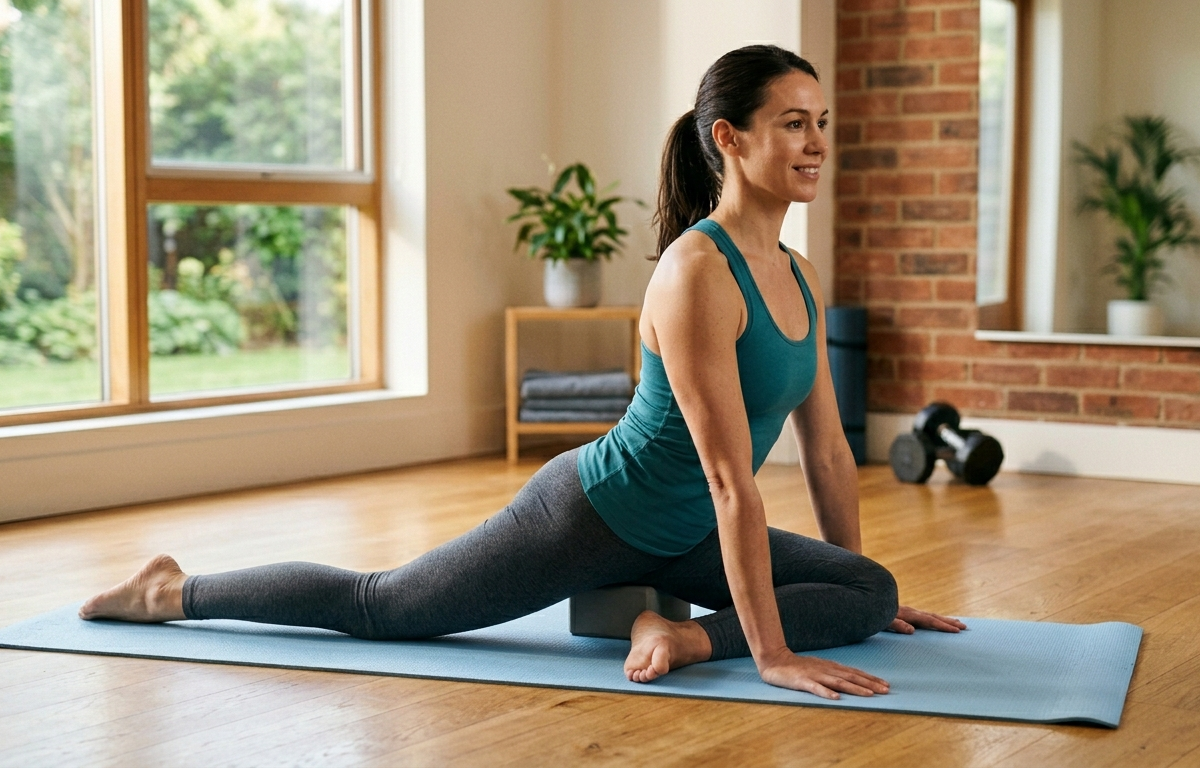
The classic Pigeon Pose is a staple in yoga, but for many, it places excessive stress on the knee joint or requires flexibility that isn’t quite there yet. This alternative pigeon stretch is modified, making it accessible for a range of abilities. The Modified Pigeon Stretch—often performed on an elevated surface like a treatment table, a bench at Preston Park, or even your bed—allows you to target the piriformis and deep hip rotators while maintaining a neutral spine.

How to Perform the Stretch

  1. Find your surface: Stand facing a table or bench at hip height. As you prepare, remember this is a modified way of doing the pigeon stretch.
  2. Position the leg: Lift your right leg and place the outer calf and ankle flat on the surface. Your knee should be bent at an angle that feels comfortable (not necessarily 90 degrees).
  3. Square the hips: Keep your standing leg straight and your hips pointing forward.
  4. The Lean: Keeping your chest tall and back flat, gently hinge forward at the hips until you feel a deep stretch in the right glute.
  5. Hold: Breathe deeply for 30–60 seconds, then switch sides.

The Benefits

  • Sciatica Relief: By releasing the piriformis muscle, you reduce pressure on the sciatic nerve with this modified pigeon stretch.
  • Improved Posture: Opening the hips helps tilt the pelvis back into a neutral position.
  • Enhanced Mobility: Essential for Brighton runners and cyclists tackling the South Downs.

Pro Tip: Never push into sharp pain. A “good stretch” should feel like localized tension, not a pinching sensation in the joint.

If you’re struggling with hip stiffness that just won’t budge, our expert team at Brighton Physiotherapy is here to help. For clients who need a gentler approach, we often suggest pigeon stretch with modifications. We combine targeted exercises with manual therapy to get you moving freely again. Book your assessment today and reclaim your mobility!