Core Chiropractic Brighton, 2 Circus Parade, New England Road, Brighton, BN1 4GW
01273 933 170

Category Archives: HOME EXERCISES

Terminal Knee Extension | Brighton Physiotherapy

Terminal Knee Extension | Brighton Physiotherapy

Master the Terminal Knee Extension: The Key to Knee Stability in Brighton

Whether you’re recovering from an injury or looking to strengthen your legs for hikes along the South Downs, the Terminal Knee Extension (TKE) is a vital exercise. At Core Clinics, our Brighton physiotherapists and chiropractors frequently prescribe TKEs to patients struggling with knee instability, ACL recovery, or “runner’s knee.”


What is Terminal Knee Extension?

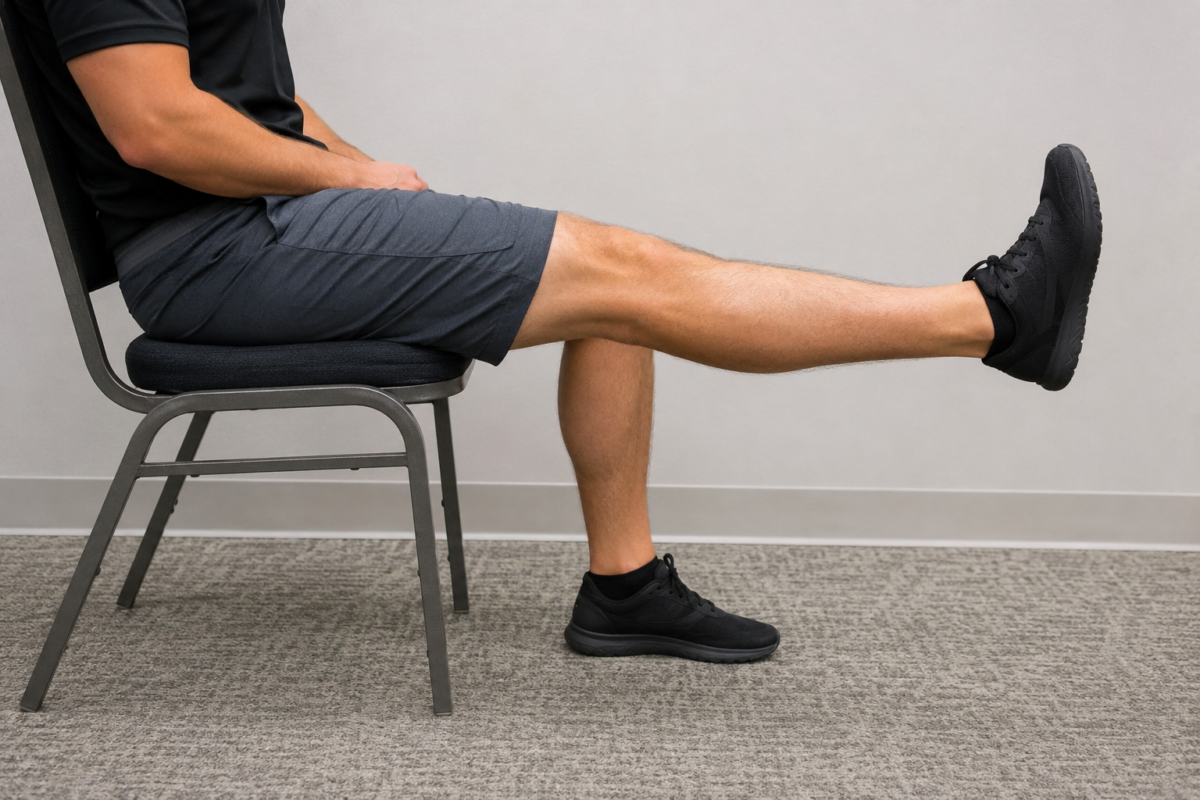
Terminal Knee Extension refers to the final few degrees of straightening the leg. While it may seem like a small movement, these last 0 to 15 degrees are critical for activating the Vastus Medialis Obliquus (VMO)—the teardrop-shaped muscle on the inner thigh. This muscle is responsible for tracking the kneecap correctly and ensuring the joint locks securely when standing.

How to Perform a TKE with a Resistance Band

To perform this effectively at home or in our Brighton clinic, follow these steps:

  1. The Setup: Anchor a sturdy resistance band to a fixed point (like a heavy table leg) at knee height.
  2. The Position: Step into the loop with your target leg, placing the band just behind the back of the knee. Face the anchor point so there is tension on the band.
  3. The Movement: Start with your knee slightly bent and your heel on the floor. Slowly straighten your leg by pushing your knee back against the resistance of the band until your leg is fully straight.
  4. The Squeeze: Contract your quadriceps firmly at the top of the movement for two seconds.
  5. Repetitions: Perform 3 sets of 15 reps per leg.

Why Brighton Residents Need TKEs

Brighton’s unique landscape—from the steep inclines of Hanover to the uneven pebbles on the beach—places high demands on our knees. TKEs provide “functional” strength that translates directly to walking, climbing stairs, and downhill running.

Physio Tip: Avoid “locking” the knee back with momentum. The movement should be slow, controlled, and driven entirely by the muscles in your thigh.

Reclaim Your Knee Health

If you experience clicking, giving way, or persistent discomfort, a targeted exercise like the TKE might be your first step toward recovery. At Core Clinics, we combine advanced diagnostics with personalized rehab plans to keep you moving.

Contact Core Clinics Brighton today to book an assessment and ensure your knees are performing at their peak.

Do you experience more knee discomfort when walking uphill or descending stairs?
SIJ self manipulation 2 | Brighton Chiropractor

SIJ self manipulation 2 | Brighton Chiropractor. In this post, we will discuss effective techniques for SIJ self manipulation that you can try at home. If you are curious about SIJ self manipulation and want practical advice, you are in the right place.

SIJ Self-Manipulation: Is It Safe to Crack Your Own Pelvis?

If you suffer from lower back pain, hip stiffness, or a deep ache in your buttocks, you might be dealing with Sacroiliac (SI) joint dysfunction. When that area feels locked up, the urge to twist, pop, or stretch until you feel a satisfying “crack” is incredibly tempting. Many people attempt manipulating their own SIJ, but self manipulation can be unsafe.

However, attempting SIJ self-manipulation can often do more harm than good. Understanding how the sacroiliac joint works is essential before attempting to adjust it at home.

The Risks of DIY Joint Cracking

The SI joints connect your spine to your pelvis. Unlike your knuckles or neck, these joints are built for stability, not mobility. They are supported by a powerful network of strong ligaments meant to absorb shock. Yet, self manipulation of the SIJ may put these ligaments at risk.

When you try to self-manipulate your SI joint by forcefully twisting your lower body, you usually aren’t releasing the stuck joint at all. Instead, you are likely hyper-extending the hypermobile joints directly above or below it. This can lead to:

  • Ligament Laxity: Stretching out the ligaments, making the pelvis even more unstable.
  • Increased Inflammation: Aggravating the surrounding nerves and worsening your pain.
  • Muscle Spasms: Triggering defensive muscle guarding as your body tries to protect the unstable joint.

Safe Alternatives to Relief at Home

Instead of forcing a pop, focus on gentle mobilization and stabilization exercises. These alternatives are safer than SIJ self manipulation performed at home.

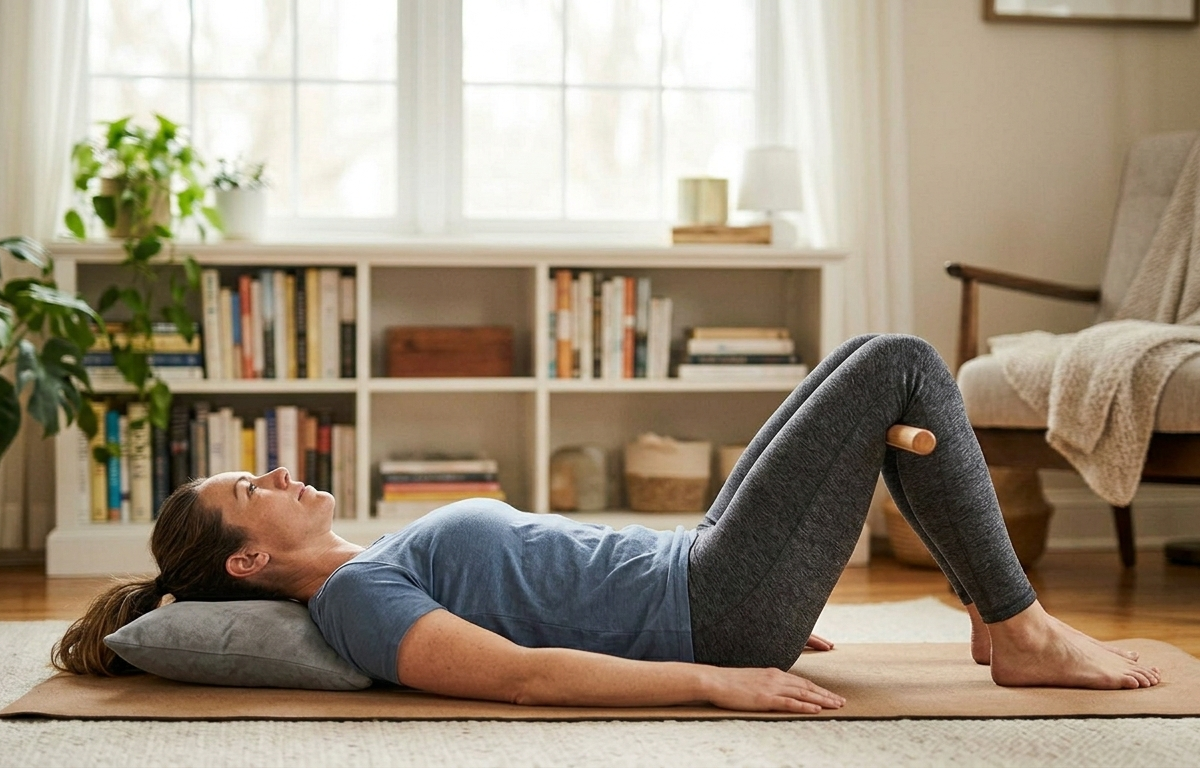
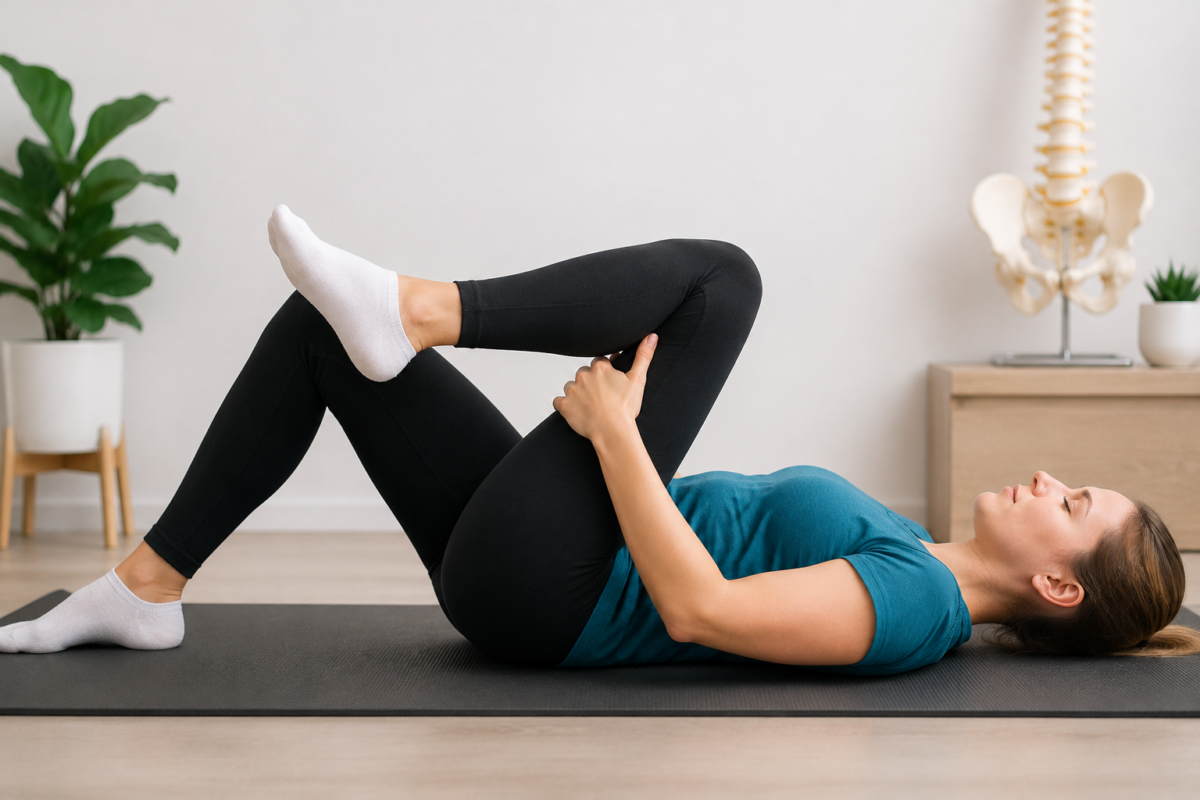
  • The Knee-to-Chest Stretch: Lie on your back and gently pull one knee toward your chest to subtly reset the pelvis.
  • Glute Bridges: Squeeze your glutes and lift your hips to build the strength needed to keep the SI joint in its proper place.

Professional Care for Lasting Relief

If your pelvis constantly feels out of alignment, it is time to skip the self-manipulation and see a professional. Chiropractors use targeted, precise adjustments to restore proper alignment to the SI joint safely, without straining the surrounding ligaments. For anyone frustrated with SIJ manipulation on their own, professional help offers lasting relief.

Stop the cycle of temporary cracking and painful rebounds. Contact our clinic today to book a comprehensive pelvic assessment and find lasting, safe relief.

SIJ self manipulation 1 | Brighton Chiropractor

The Hidden Risks of SI Joint Self-Manipulation: Why “Self-Cracking” Hurts More Than It Helps

Have you ever stood up from your desk, twisted your hips, and welcomed that loud pop in your lower back? If you suffer from sacroiliac (SI) joint dysfunction, that SIJ self manipulation might feel like instant relief. However, trying to “self-crack” your pelvis at home could actually be prolonging your lower back pain and driving you closer to a chronic injury.

Understanding the true mechanics of sacroiliac relief reveals why professional chiropractic care is essential for lasting recovery. It is important to note that SIJ self manipulation carries hidden risks.

Why Self-Cracking Gives False Relief

The SI joints connect your spine to your pelvis, acting as crucial shock absorbers. When your pelvis feels tight or locked up, twisting to force a “pop” releases endorphins and temporarily stretches surrounding muscles.

However, you aren’t actually realigning the joint. Because the SI joint is tightly bound by dense ligaments, forcing a pop usually mobilizes the hypermobile joints above or below the problem area. This creates a cycle of temporary relief followed by recurring, deeper stiffness.

The Dangers of Pelvic Instability

Consistently practicing SI joint self-manipulation can lead to micro-trauma. Repeatedly forcing the joint beyond its normal range of motion stretches the supporting ligaments. Over time, this leads to ligament laxity, causing chronic pelvic instability, muscle spasms, and localized pain in the buttocks or groin that mimics sciatica. SIJ self manipulation increases your risk of these outcomes.

How Chiropractic Care Resolves SI Joint Pain

Instead of aggressive twisting at home, safe recovery requires precision. A licensed chiropractor uses targeted manual therapy to restore proper mechanics:

  • HVLA Adjustments: High-Velocity, Low-Amplitude thrusts precisely target the restricted joint without over-stretching the surrounding ligaments.
  • Gentle Mobilization: Low-force techniques gently guide the pelvis back into alignment.
  • Targeted Rehabilitation: Combining manual care with core-stabilizing exercises ensures the pelvis remains balanced and supported.

Stop the cycle of temporary fixes. Though it may be tempting, SIJ self manipulation is not a safe alternative to professional care. If you are struggling with stubborn lower back or hip pain, schedule a comprehensive pelvic evaluation today to find true, long-term relief.

CC Sussex logo (Orange image only)

Overhead Rotator Cuff Exercise | Brighton Chiropractor

What Is the Overhead Rotator Cuff Exercise?

The Overhead Rotator Cuff Exercise helps strengthen the muscles that support and stabilise the shoulder joint. Many patients who visit a Brighton Chiropractor perform this exercise as part of a rehabilitation or injury-prevention programme. Strong rotator cuff muscles improve shoulder function, enhance stability, and reduce the risk of strain during everyday activities and sports.

The rotator cuff consists of four muscles that work together to control shoulder movement. Weakness or tightness in these muscles can lead to discomfort, reduced mobility, and poor movement patterns. A Brighton Chiropractor may recommend targeted exercises to improve shoulder health and restore proper function.

How to Perform the Exercise

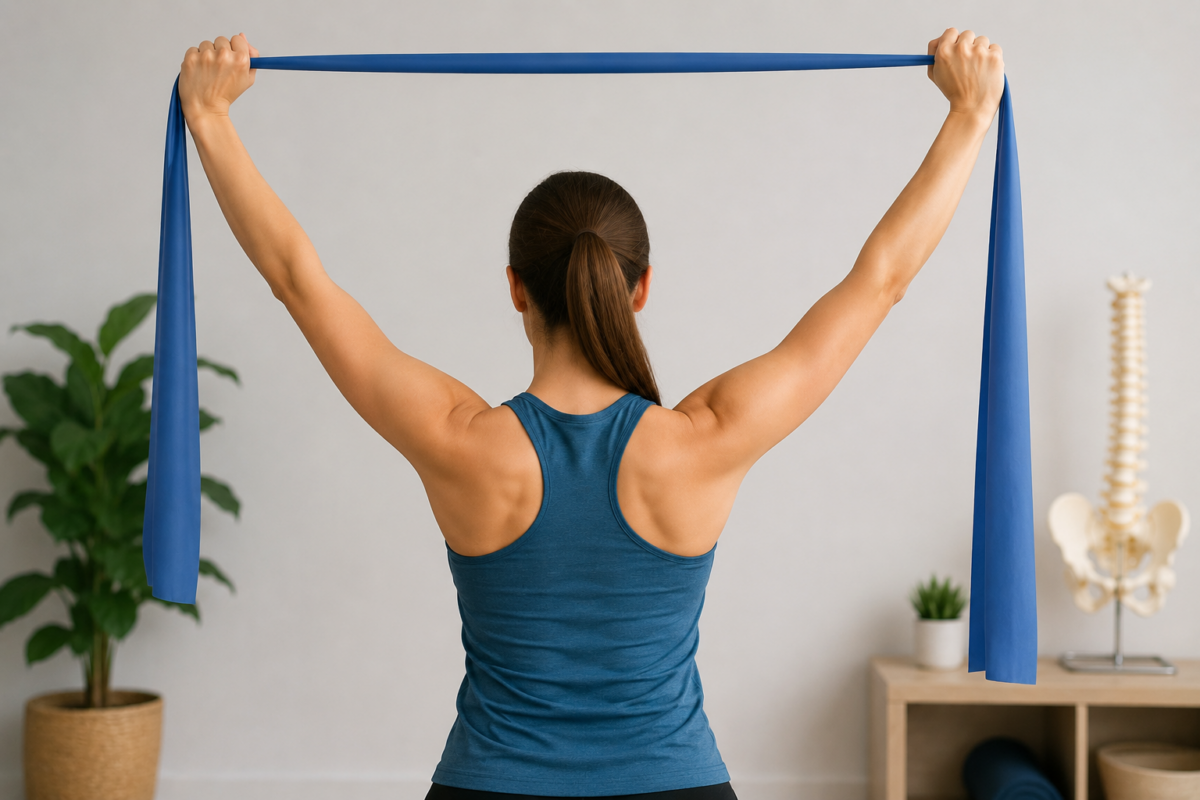
To perform the Overhead Rotator Cuff Exercise, stand upright with good posture and hold a light resistance band or lightweight dumbbell. Raise your arm to shoulder height and slowly move it overhead while maintaining control throughout the movement. Keep your shoulder relaxed and avoid shrugging. Slowly return to the starting position and repeat for 10 to 15 repetitions before switching arms.

Focus on smooth, controlled movements rather than speed. Proper technique helps strengthen the rotator cuff muscles while reducing unnecessary stress on the shoulder joint.

Benefits for Shoulder Health

Many people seek advice from a Brighton Chiropractor when shoulder pain begins to interfere with daily activities. The Overhead Rotator Cuff Exercise offers several benefits, including:

  • Improved shoulder strength and stability
  • Better range of motion
  • Enhanced posture and movement control
  • Reduced risk of shoulder injuries
  • Increased performance during sports and exercise

Regular practice can also help support recovery from minor shoulder strains and overuse injuries.

How Chiropractic Care Supports Recovery

A Brighton Chiropractor can assess shoulder mechanics and identify movement restrictions that contribute to pain or dysfunction. Chiropractic care often combines spinal and joint adjustments with corrective exercises to improve mobility and promote long-term recovery.

When to Seek Professional Advice

If you experience persistent shoulder pain, weakness, or restricted movement, consult a Brighton Chiropractor for a thorough assessment. Early treatment can help restore function, prevent further injury, and support long-term shoulder health.

Book your appointment now https://ccsussex.co.uk/chiropractic-appointment-brighton/

Scalenes stretch | Brighton Chiropractor

Relief for Tight Necks: The scalenes stretch is one of the most effective techniques your Brighton chiropractor recommends.

Between hours spent hunched over laptops in Brighton’s bustling tech hubs and chilly coastal walks along the seafront, neck tension is a common complaint for local residents. If you constantly feel a deep, stubborn ache at the side of your neck, or if you struggle to turn your head when checking your blind spot on the A23, your scalene muscles might be the culprits. For many experiencing neck discomfort, learning how to perform a scalenes stretch can make a notable difference in daily comfort.

Understanding how to safely stretch these muscles can be a game-changer for your posture, breathing, and overall comfort. With regular practice, the scalenes stretch will support neck relief and enhance your range of movement.

What and Where Are the Scalenes?

The scalenes are a group of three paired muscles (anterior, middle, and posterior) located on either side of your neck. They connect your cervical spine to your first two ribs. Specifically, stretching the scalenes muscles through a targeted scalenes stretch can help with tension.

Because of their location, they play a double role: they help rotate and bend your neck, and they act as “accessory muscles” for breathing by lifting your ribcage when you inhale. When you are stressed, cold, or slouching, these muscles overwork, tighten up, and can even compress nearby nerves, leading to numbness or tingling down your arm. That’s exactly when incorporating a scalenes stretch might relieve tightness.

How to Safely Perform the Scalenes Stretch

To release tension and restore mobility, try this simple, targeted stretch at your desk or home. This scalenes stretch routine is safe and effective for most people.

  1. Sit Tall: Sit upright in a supportive chair with your shoulders dropped down and relaxed.
  2. Anchor Your Ribs: Take your right hand and place it firmly over your left collarbone, applying gentle downward pressure to anchor the first rib. Performing a scalenes stretch correctly helps maximize the benefits.
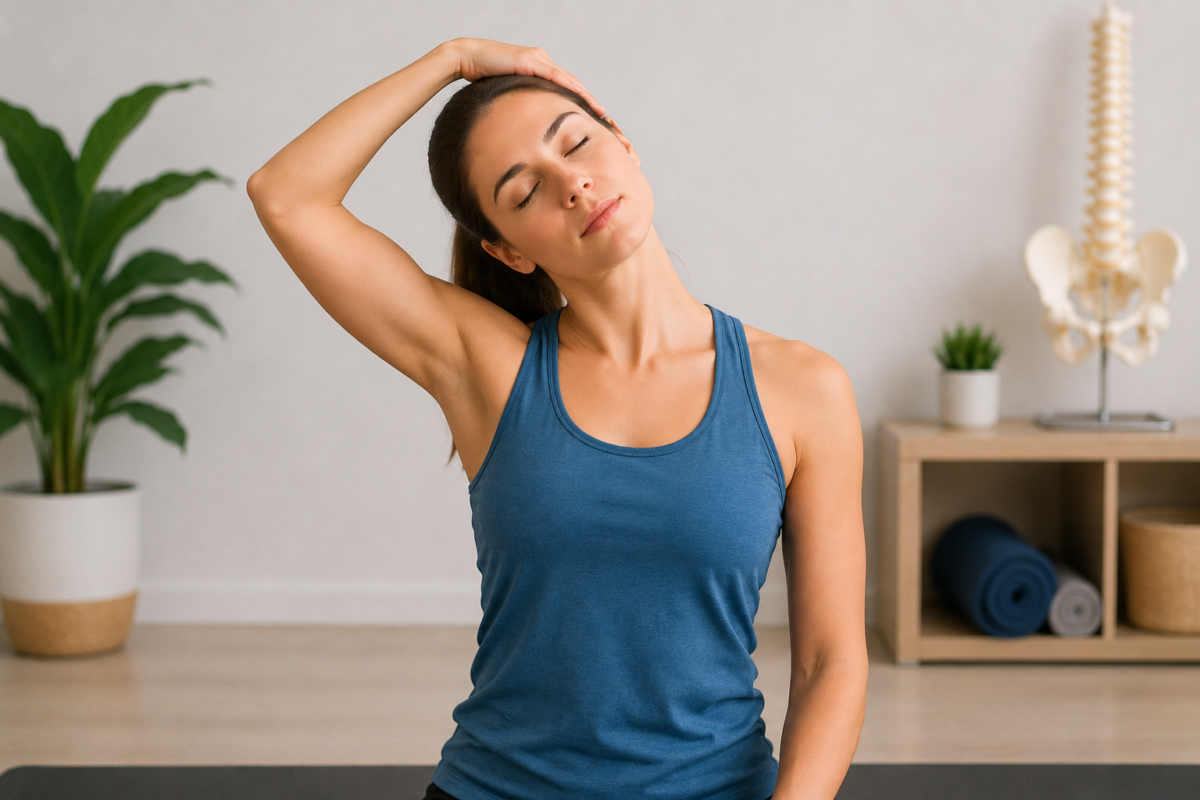
  3. Tilt and Rotate: Gently tilt your right ear toward your right shoulder. To target the different strands of the scalenes, slowly rotate your chin upward toward the ceiling.
  4. Hold and Breathe: Hold this position for 20 to 30 seconds, taking deep, slow breaths into your belly rather than your chest. Repeat on the opposite side.

Important Tip: Never force a neck stretch. You should feel a gentle, lengthening pull, not a sharp or radiating pain.

When to Seek Professional Chiropractic Care in Brighton

While stretching provides excellent daily maintenance, chronic scalene tightness is often a symptom of an underlying structural issue, such as a misaligned cervical spine or poor rib mobility. In these cases, a scalenes stretch is beneficial, but a chiropractor’s expertise is also necessary.

If your neck tightness is accompanied by headaches, shoulder pain, or tingling in your fingers, a tailored assessment is necessary. At our Brighton chiropractic clinic, we focus on locating the root cause of your discomfort, combining precise spinal adjustments with soft tissue therapy to get you moving freely again. In addition, we may recommend a guided scalenes stretch as part of your care plan.

Don’t let neck pain hold you back from enjoying life on the coast. Contact our Brighton team today to book your comprehensive spinal evaluation.

Book your appointment today at https://ccsussex.co.uk/chiropractic-appointment-brighton/

CC Sussex logo in blue and orange - no text

Trapezius stretch | Brighton Chiropractor

Soothe Neck and Shoulder Tension: The Trapezius Stretch Your Brighton Chiropractor Recommends

Why Your Trapezius Muscles Become Tight

Whether you spend hours working in a café in The Lanes or carry a heavy rucksack along Brighton beach, your shoulders work hard every day. As a result, tension can quickly build up in your neck and upper back.

If you often feel a burning ache at the base of your neck or across the tops of your shoulders, tight trapezius muscles could be the cause. Fortunately, a simple stretch can help reduce discomfort and improve mobility.

Understanding the Trapezius Muscle

The trapezius is a large, kite-shaped muscle that runs from the base of your skull, across your shoulders, and down the middle of your back. It supports posture and helps control neck and shoulder movement.

However, modern lifestyles place a lot of strain on this muscle. For example, poor desk posture, long periods of driving, and frequent smartphone use can all increase muscle tension. In addition, cold coastal winds often cause people to hunch their shoulders, creating even more tightness. Over time, this tension can contribute to headaches, neck pain, and restricted movement.

How to Perform the Seated Upper Trapezius Stretch

You can perform this stretch at home, in the office, or almost anywhere you have a chair.

1. Set Your Posture

First, sit upright in a chair. Then place your left hand underneath the seat to keep your left shoulder relaxed and anchored.

2. Tilt Your Head

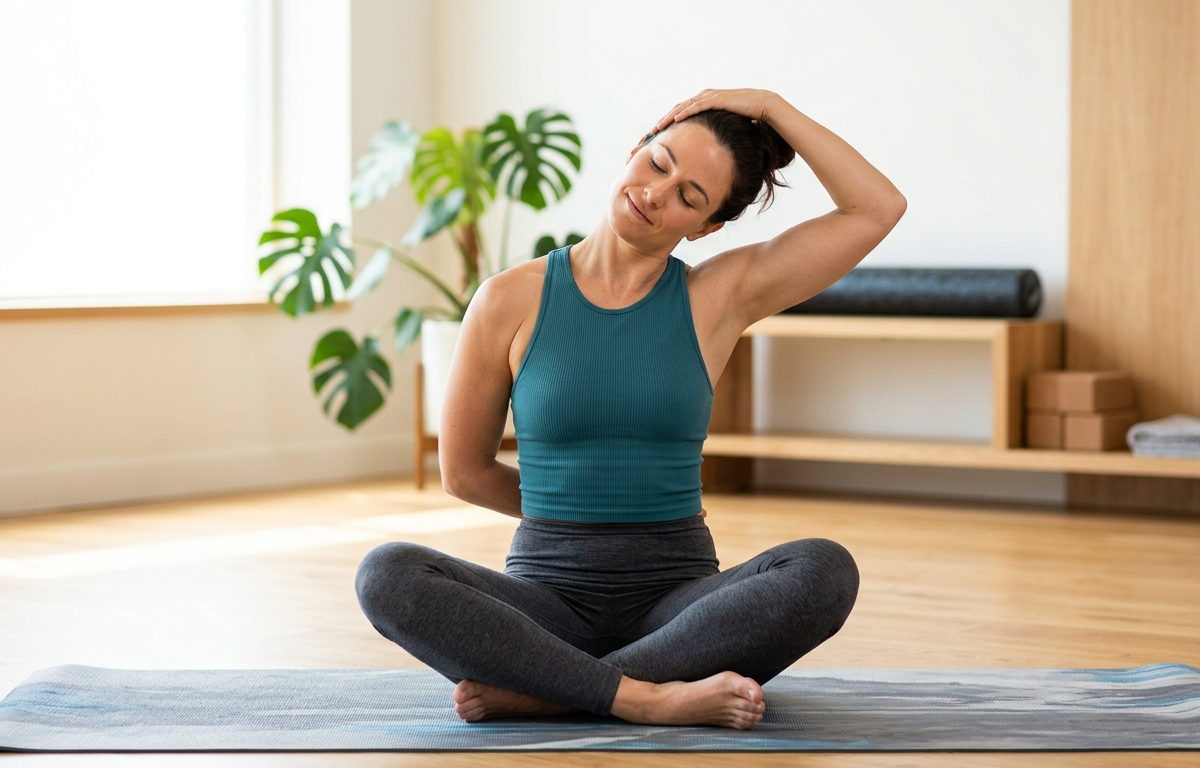
Next, slowly lower your right ear toward your right shoulder. Keep your shoulders level throughout the movement.

3. Increase the Stretch

Then place your right hand gently on top of your head. Apply light pressure to deepen the stretch along the left side of your neck.

4. Hold and Breathe

Finally, hold the position for 20 to 30 seconds while taking slow, deep breaths. After that, repeat the stretch on the opposite side.

When to See a Brighton Chiropractor

Although stretching can provide immediate relief, recurring tension often signals an underlying problem. For example, joint restrictions in the neck or upper back can cause trapezius tightness to return repeatedly.

If neck and shoulder tension continues to affect your daily life, a Brighton chiropractor can help. Through a detailed assessment, targeted spinal adjustments, and soft-tissue therapy, chiropractic care can address the source of the problem and help you move more comfortably.

Book your appointment now https://ccsussex.co.uk/chiropractic-appointment-brighton/

Advanced Hip Stretching 1 | Brighton Chiropractor

Unlock Your Mobility: Advanced Hip Stretching from Your Brighton Chiropractor

Whether you are training for the Brighton Marathon, cycling along the South Downs, or spending long hours sitting at a desk in the North Laine, your hips endure incredible daily strain. Tight hips don’t just restrict your movement; they pull your pelvis out of alignment, creating a domino effect that leads to lower back pain, knee strain, and poor posture. Anyone experiencing these issues would benefit from advanced approaches to hip stretching.

When basic stretches no longer provide relief, it is time to upgrade to more advanced hip stretching techniques for improved mobility and joint health.

Moving Beyond Basic Stretches: The 90/90 Stretch

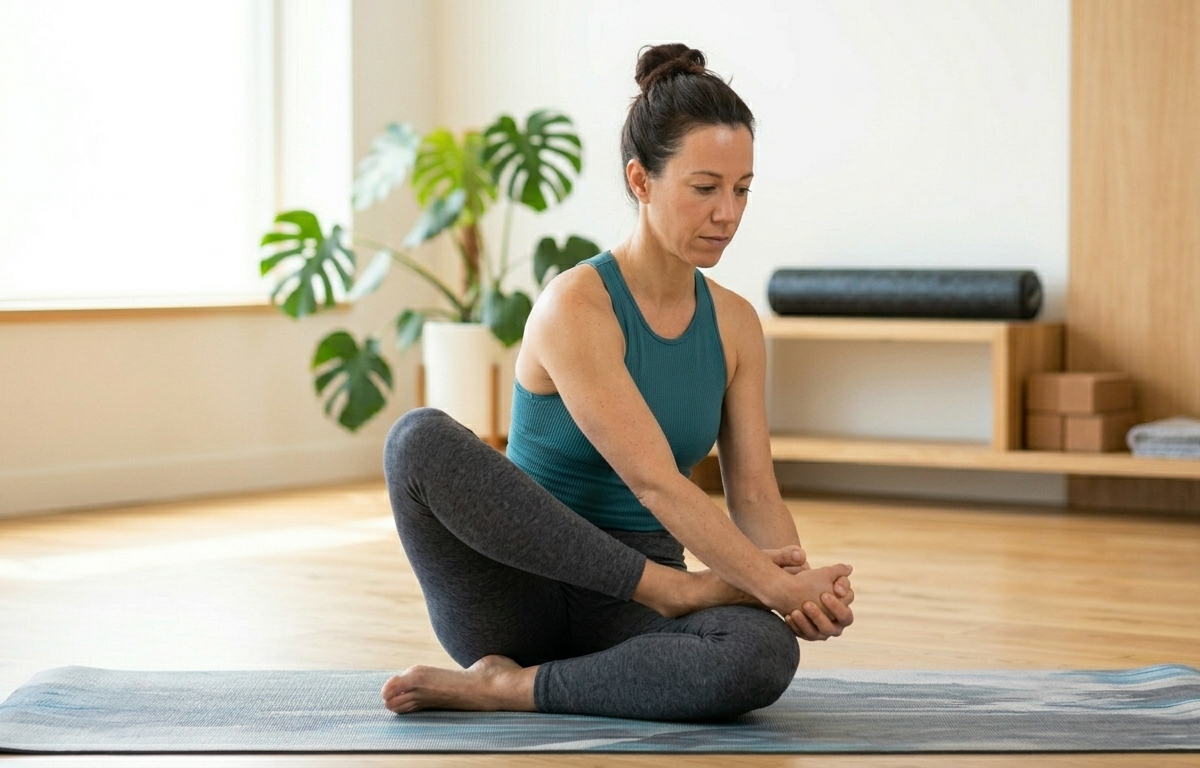
Most people are familiar with the standard lunge stretch, but targeting the deep hip rotators and capsule requires a dynamic, multi-planar approach. The 90/90 stretch is an exceptional advanced movement for opening up both internal and external hip rotation. This drill is a cornerstone in advanced stretching for hips.

  1. The Setup: Sit on the floor and place your right leg in front of you, bent at a 90-degree angle. Position your left leg to the side, also bent at a 90-degree angle.
  2. External Rotation: Keeping your spine long and tall, gently hinge forward from your hips over your front leg until you feel a deep stretch in your right glute. Hold for 30 seconds.
  3. Internal Rotation: Sit back up, brace your core, and gently rotate your torso toward your back hip, pressing your left thigh firmly into the floor.

Why Structural Alignment Matters

Advanced stretching is highly effective, but it only works if the underlying joint is moving correctly. If your pelvis or lumbar spine is misaligned, stretching tight muscles can actually cause further joint instability. In the context of advanced hip stretching routines, structural alignment is crucial to gain the full benefits.

Our Brighton chiropractic clinic specializes in restoring proper pelvic biomechanics. By combining targeted adjustments with tailored dynamic mobility work, we unlock locked joints, reduce muscle guarding, and help you achieve lasting flexibility. Ready to move without limits? Book a comprehensive hip and pelvic assessment with our Brighton team today for your advanced hip stretching needs.

Book your appointment today at https://ccsussex.co.uk/chiropractic-appointment-brighton/

Hip abductions | Brighton Chiropractor

Why Hip Abduction Matters: A Brighton Chiropractor’s Guide to Hip Health

Whether you are running along the Brighton seafront, hiking the South Downs, or navigating the steep hills of Hanover, your hips take a beating. One of the most critical, yet frequently overlooked, movements for your lower body health is hip abduction.

Understanding this important action of hip abductions—and keeping it strong—is essential for staying pain-free and active in our vibrant seaside city.

What is Hip Abduction?

Hip abduction is the movement of drawing your leg away from the midline of your body. Think of stepping sideways out of a car or performing a side kick. The primary muscles responsible for this action are your gluteus medius and gluteus minimus, located on the outer side of your pelvis. For most people, learning about hip abductions helps clarify how their body moves in daily life.

These muscles act as the ultimate stabilizers for your entire lower body. Every time you take a step, run, or stand on one leg, your hip abductors fire to keep your pelvis level.

The Consequence of Weak Abductors

Because modern life involves so much sitting—whether at a desk in the Lanes or during a long commute—our hip abductors easily become weak and inactive. When these stabilizers switch off, a chain reaction occurs and strengthening your hip abductions becomes even more important:

  • Pelvic tilting: Your pelvis drops when you walk, placing uneven pressure on your lower spine.
  • Knee cave: Your knees pull inward during movement, leading to runner’s knee or IT band syndrome.
  • Lower back pain: Your lower back muscles overcompensate to stabilize your body, causing chronic aches.

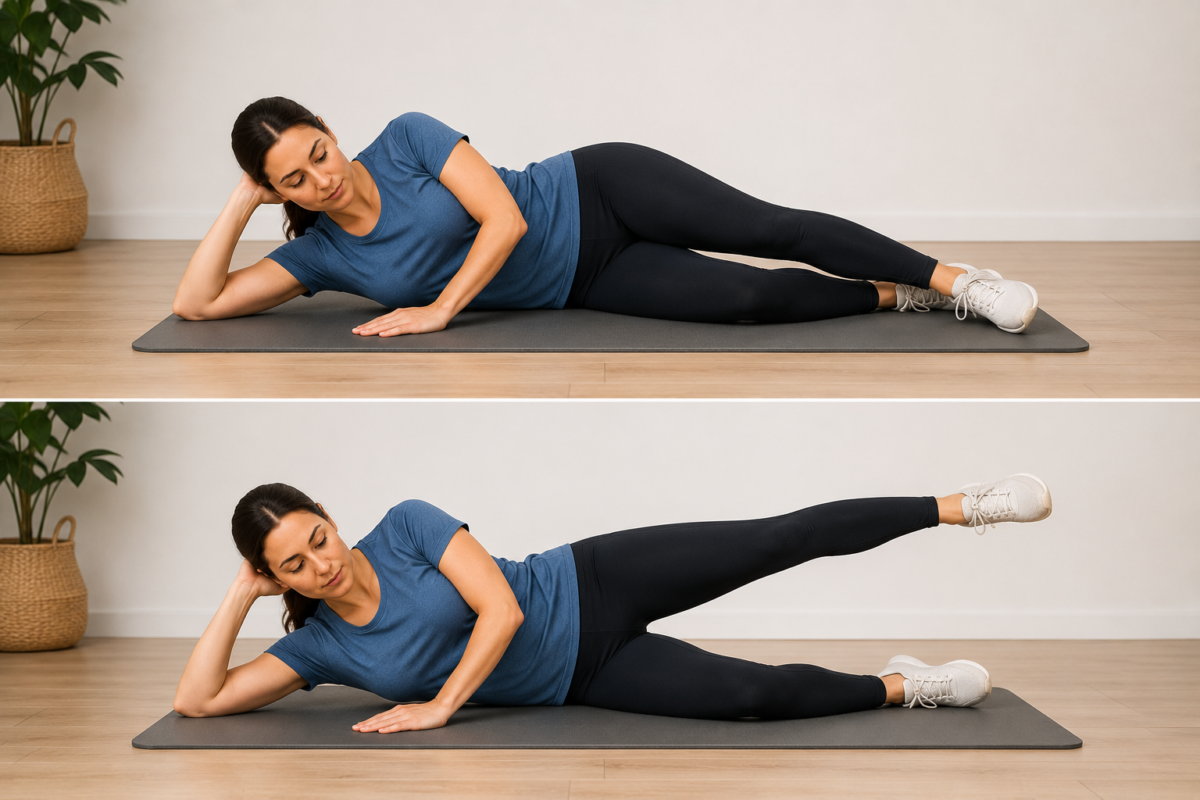
The Side-Lying Clamshell

To wake up your hip abductors, try the clamshell stretch and strengthener. Performing side-lying hip abductions is a top way to target these muscles effectively.

  1. Lie on your side with your hips stacked and knees bent at a 90-degree angle.
  2. Keeping your feet glued together, slowly raise your top knee as high as possible without shifting your pelvis.
  3. Hold for two seconds, then slowly lower.
  4. Complete 10 to 15 repetitions on each side.

Signs of Weakness: If your hips sway significantly or your knees knock together when you look in the mirror while doing squats, your abductors likely need targeted attention.

How Chiropractic Helps

Stretching and home exercises are fantastic, but if your pelvis or lower spine is misaligned, your hip abductors cannot fire efficiently. Proper function during hip abductions is only possible when your body is in good alignment.

At our Brighton chiropractic clinic, we specialize in assessing global pelvic biomechanics. By restoring proper alignment to your sacroiliac joints and spine, we eliminate nerve interference and allow your hip muscles to function exactly as they should. If hip stiffness or lower back pain is holding you back, book an appointment with our Brighton team today.

Book your appointment now https://ccsussex.co.uk/chiropractic-appointment-brighton/

Toe stretching | Brighton Chiropractor

Why Toe Stretching is the Best Foot Forward for Your Health

When you think of chiropractic care, your mind probably goes straight to spinal adjustments and neck alignments. But at our Brighton clinic, we look at the whole picture—and that picture starts right at the bottom with your feet. Specifically, your toes are central, and toe stretching is a focus at Brighton Chiropractor clinics.

If you spend your days walking down the Lanes or commuting across Sussex, your feet take a beating. Jamming them into tight shoes can lead to issues that ripple all the way up your body. That’s where toe stretching comes in, especially when supported by a Brighton chiropractor specialist. Also, toe stretching at a Brighton Chiropractor has proven effective for foot care.

The Benefits of Toe Stretching

Toe stretching is a simple yet powerful practice that restores natural alignment, improves flexibility, and strengthens the muscles in your feet. As recommended by your Brighton chiropractor, regularly spreading and lengthening your toes offers unique benefits. By regularly spreading and lengthening your toes, you can:

  • Relieve Plantar Fasciitis: Stretching releases tension in the connective tissue beneath your foot.
  • Improve Balance and Posture: A wider base of support means better stability on Brighton’s uneven pavements.
  • Alleviate Lower Back Pain: Misaligned feet change how you walk, which places extra stress on your knees, hips, and spine.

Did you know? Your feet contain 26 bones and 33 joints. When they are stiff, your spine has to compensate for the lack of shock absorption.

How to Do It

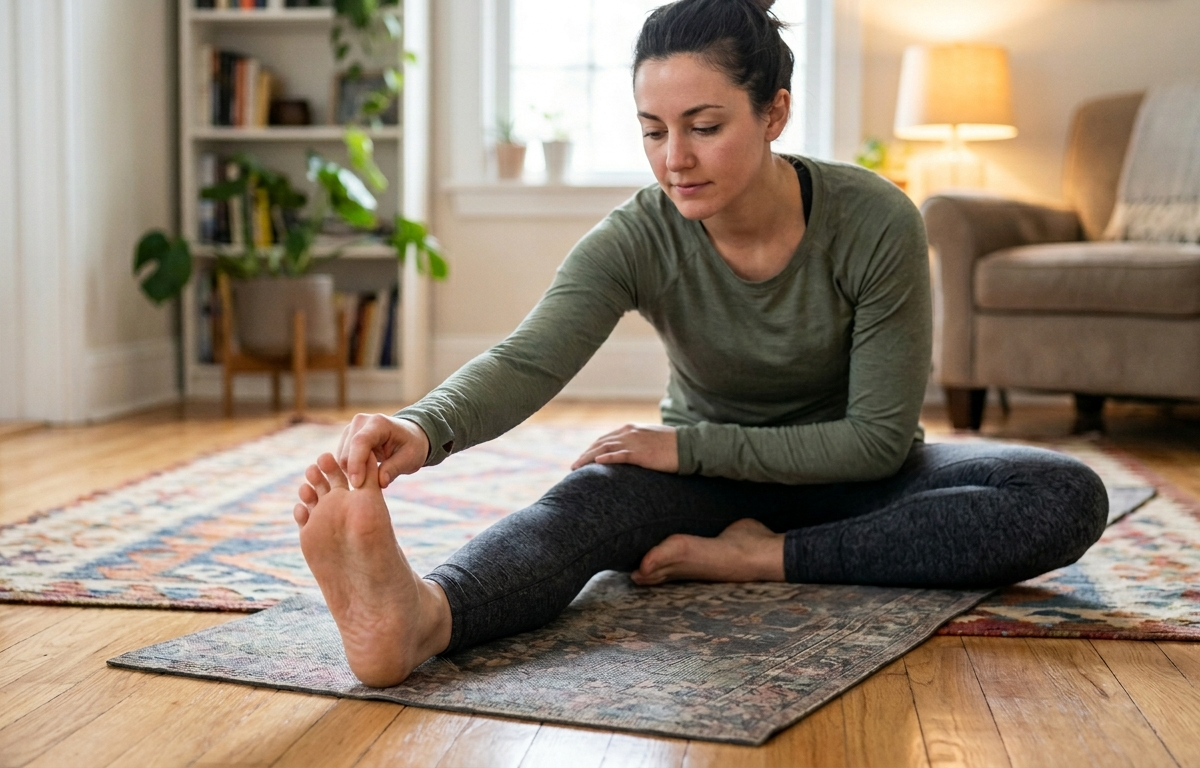
You don’t need fancy equipment to start. Try the Interlace Technique: sit comfortably, take your fingers, and weave them between your toes. Gently squeeze and stretch them apart for 30 seconds. Alternatively, invest in a pair of silicone toe separators to wear while relaxing at home. Moreover, for toe stretching guidance in Brighton, a chiropractor can assist you. In case you need support, Brighton Chiropractor clinics offer expert advice on toe stretching for locals.

Visit Our Brighton Chiropractic Clinic

Healthy movement starts from the ground up. If you are struggling with foot discomfort, nagging back stiffness, or postural issues, toe stretching is a great home remedy—but professional care makes the real difference. In summary, combining toe stretching practices with insight from a Brighton chiropractor enhances outcomes. In fact, many Brighton Chiropractor patients report measurable improvement after regular toe stretching routines. For those interested, Brighton Chiropractor specialists highlight the value of toe stretching as a foundational step.

Our experienced Brighton chiropractors are here to help you find long-term relief.

Book your consultation today https://ccsussex.co.uk/chiropractic-appointment-brighton/

Plantar Fascia Stretch | Brighton Chiropractor

The Wall Plantar Fascia Stretch: A Brighton Chiropractor’s Guide to Heel Pain Relief

If your first steps of the day feel like walking on sharp pebbles, you are likely suffering from plantar fasciitis. This common condition involves the inflammation of the thick band of tissue running along the bottom of your foot, and learning proper plantar fascia care is something a Brighton chiropractor can help with. Adding the Plantar Fascia Stretch | Brighton Chiropractor technique can make a great difference in comfort and long-term results.

From strolling through The Lanes to jogging along the Brighton seafront, foot discomfort can quickly stall your active lifestyle. Fortunately, the wall plantar fascia stretch is a powerful tool to restore flexibility and reduce pain. Many people searching for relief are recommended the Plantar Fascia Stretch | Brighton Chiropractor method, which is trusted for its results.

Why the Wall Stretch Works

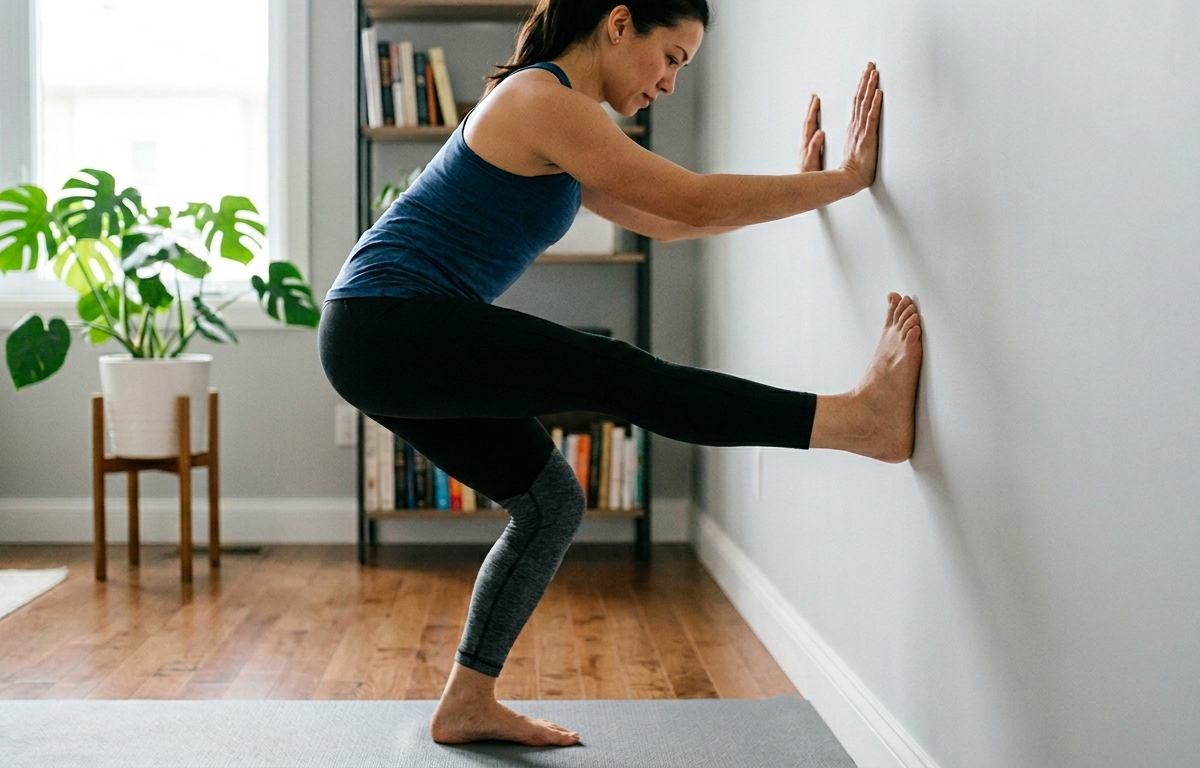
The exercise shown in the image above is highly effective because it creates a deep, controlled stretch through the entire kinetic chain of the lower leg. By placing your foot flat against the wall and gently sinking into your standing leg, you achieve several benefits:

  • Lengthens the plantar fascia: It directly stretches the taut tissues under the foot core.
  • Targets the calf and Achilles tendon: Tight calf muscles pull on the heel, which is a leading trigger for arch pain.
  • Improves ankle mobility: Better ankle flexion prevents your foot from collapsing inward when you walk.

How to Perform the Stretch Safely

  1. Stand facing a wall, roughly an arm’s length away. Place your hands on the wall for balance.
  2. Elevate your target leg and place the sole of your foot flat against the wall, keeping your leg straight.
  3. Slowly bend your supporting knee and lean your hips slightly forward until you feel a deep, comfortable pull through your arch and calf.
  4. Hold the position for 20 to 30 seconds while breathing deeply, then switch sides.

Chiropractic Tip: Never bounce during this movement. A slow, steady hold is the safest way to lengthen inflamed tissues without causing further micro-tears.

How Chiropractic Solves the Root Cause

While daily stretching offers fantastic relief, stubborn foot pain is often a symptom of poor biomechanics higher up in the body. If your pelvis or lower spine is misaligned, it forces you to alter your gait, putting excessive, uneven pressure on one foot. That’s why the Plantar Fascia Stretch | Brighton Chiropractor approach carefully addresses both symptoms and root causes.

At our Brighton chiropractic clinic, we don’t just look at where it hurts. We evaluate your entire posture, providing gentle adjustments to the pelvis, knees, and ankles to take the mechanical stress off your plantar fascia. Not only does this support your overall health, but combining adjustments with the Plantar Fascia Stretch | Brighton Chiropractor protocol is often the most effective path to lasting heel pain relief. If heel pain is keeping you grounded, contact our Brighton team today to book a comprehensive assessment.