

Pendulum Shoulder Exercises for Pain Relief and Improved Mobility
What Are Pendulum Shoulder Exercises?
Pendulum Shoulder Exercises are gentle mobility movements that help improve shoulder function and reduce stiffness. Chiropractors often recommend these exercises during the early stages of recovery from shoulder pain, injury, or surgery. At our chiropractic clinic in Brighton, we frequently use Pendulum Shoulder Exercises as part of personalised rehabilitation programmes to support healthy movement and recovery provided by a Brighton Physiotherapist. Pendulum Shoulder Exercises | Brighton Physiotherapist. is an approach we trust for effective results.
Why Shoulder Mobility Is Important
The shoulder joint allows a wide range of motion, making it one of the most mobile joints in the body. However, this mobility can also make the shoulder vulnerable to strain, injury, and stiffness. Poor posture, repetitive movements, sports injuries, and prolonged desk work can all contribute to shoulder discomfort and restricted movement.
Maintaining good shoulder mobility helps you perform daily activities more comfortably and reduces unnecessary stress on surrounding muscles and joints.
How to Perform Pendulum Shoulder Exercises
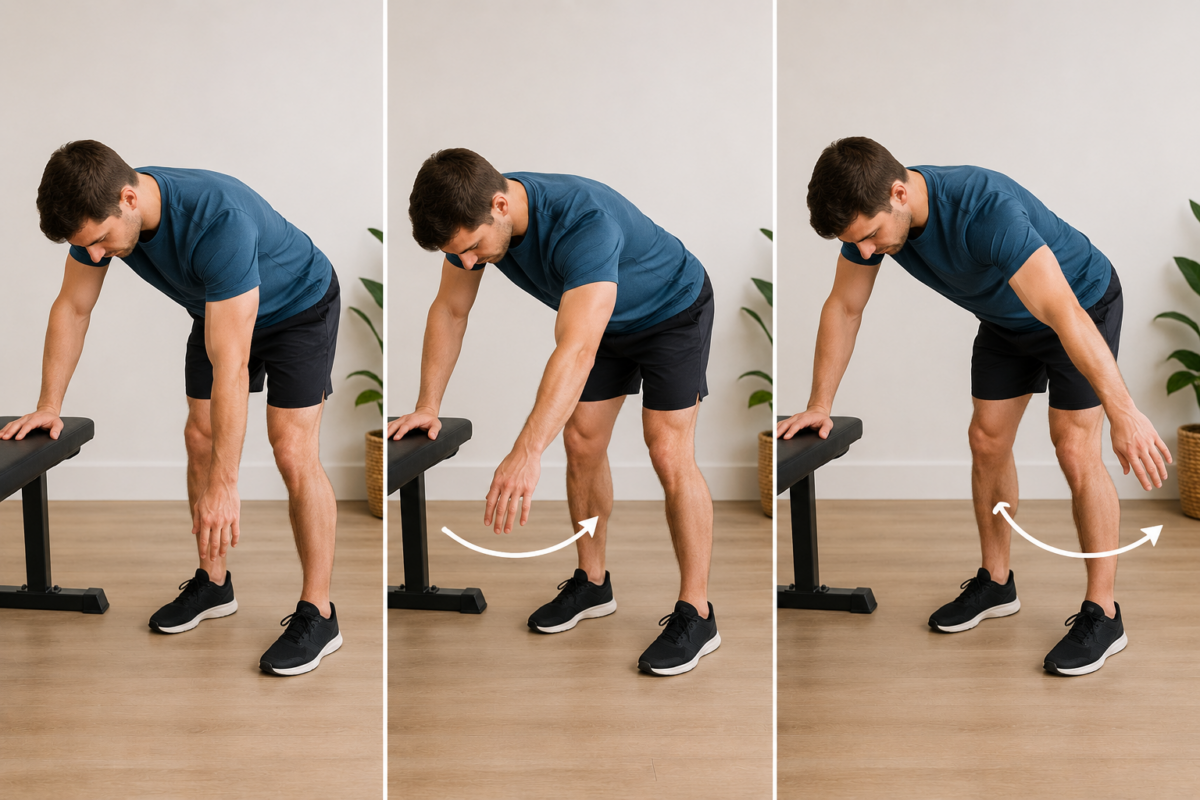
Stand beside a sturdy surface and place one hand on it for support. Lean forward slightly at the hips and allow the opposite arm to hang freely towards the floor. Gently move the relaxed arm in small circles, forwards and backwards, and side to side. Keep the movements smooth and controlled without forcing the shoulder through pain.
Start with small movements and gradually increase the range of motion as comfort improves. For further support, Pendulum Shoulder Exercises | Brighton Physiotherapist. can help you recover safely.
Benefits of Pendulum Shoulder Exercises
Regular practice can provide several important benefits as highlighted by Pendulum Shoulder Exercises | Brighton Physiotherapist.:
- Improve shoulder mobility and flexibility
- Reduce joint stiffness and muscle tension
- Encourage healthy movement patterns
- Support recovery after shoulder injuries
- Promote circulation around the shoulder joint
- Help restore confidence in movement
Chiropractic Care for Shoulder Pain in Brighton
At our Brighton chiropractic clinic, we assess shoulder problems thoroughly and develop treatment plans tailored to each patient. We often combine Pendulum Shoulder Exercises with chiropractic care, soft tissue therapy, posture advice, and rehabilitation exercises to improve shoulder function and reduce discomfort. For optimal results and guidance, consider incorporating Pendulum Shoulder Exercises | Brighton Physiotherapist. into your routine.
If shoulder pain or restricted movement affects your daily life, our experienced Brighton chiropractors can help you regain mobility, improve function, and support long-term musculoskeletal health.