
Banded Bicep Curls | Brighton Physiotherapist. Physiotherapist Lola demonstrates banded bicep curls, give this exercise a try!
Banded Floor Press | Brighton Physiotherapist. Physiotherapist Lola demonstrates banded floor press. Give this exercise a go!
Active Cervical Mobilisation | Brighton Physiotherapist
Active Cervical Mobilisation | Brighton Physiotherapist. Physiotherapist Lola demonstrates active cervical mobilisation
Static Glute Medius Activation | Brighton Physiotherapist. In this video Lola demonstrates static glute medius activation, give this a try!
Monster Walks | Brighton Physiotherapist. Our Physiotherapist Lola demonstrates Monster Walks to strengthen glute med weaknesses
Standing Plantar Fascia Stretch | Brighton Physiotherapist. Our Physiotherapist Lola demonstrates a Standing Plantar Fascia Stretch for those experiencing Plantar Fasciitis
What Is the Standing Plantar Fascia Stretch?
The Standing Plantar Fascia Stretch offers a simple yet effective way to improve foot flexibility, reduce heel pain, and support overall mobility. Many professionals providing chiropractic in Brighton recommend this stretch to patients who experience plantar fasciitis, foot tightness, or discomfort that affects their daily activities.
The plantar fascia is a thick band of tissue that runs along the bottom of the foot, connecting the heel to the toes. When this tissue becomes tight or irritated, it can cause pain in the heel and arch of the foot. Left untreated, foot dysfunction can affect walking patterns and place additional stress on the ankles, knees, hips, and lower back. Chiropractors often address these issues as part of a comprehensive treatment plan.
How to Perform the Standing Plantar Fascia Stretch
To perform the Standing Plantar Fascia Stretch, stand facing a wall and place your hands against it for support. Position one foot slightly behind the other. Keeping the back leg straight and the heel firmly on the floor, gently bend the front knee and shift your weight forward. You should feel a stretch along the arch of the foot and calf of the back leg. Hold the position for 20 to 30 seconds before switching sides. Repeat the stretch several times daily for the best results.
Benefits for Foot Health and Mobility
Many clinics offering chiropractic in Brighton include this stretch in rehabilitation and wellness programmes because it helps improve flexibility and promotes healthy movement patterns. Regular stretching can reduce tension in the feet and lower legs, improve circulation, and support better posture.
Some of the key benefits include:
- Improved foot and ankle flexibility
- Reduced heel and arch discomfort
- Better circulation in the lower limbs
- Enhanced balance and stability
- Increased mobility during daily activities
How Chiropractic Care Supports Recovery
When combined with chiropractic care, the Standing Plantar Fascia Stretch may help restore proper biomechanics throughout the body. Improved foot function often leads to better balance, more efficient movement, and reduced strain on surrounding joints. Chiropractors can also identify movement restrictions and provide targeted treatment to support recovery.
When to Seek Professional Advice
If you experience ongoing heel pain, foot stiffness, or mobility issues, a chiropractor can assess your condition and create a personalised treatment plan. Early intervention often leads to faster recovery, improved function, and long-term relief.
Modified Archer Stretch: Improve Mobility and Reduce Muscle Tension
Many people in Brighton experience shoulder tightness, upper back discomfort, and restricted movement due to desk work, sports, or daily activities. The Modified Archer Stretch offers a simple and effective way to improve flexibility, reduce tension, and support healthy posture. At our Brighton chiropractic clinic, we often recommend this stretch as part of a comprehensive approach to musculoskeletal health. For a specialised approach, we suggest the Modified Archer Stretch | Brighton Physiotherapist for targeted results.
What Is the Modified Archer Stretch?
The Modified Archer Stretch targets the chest, shoulders, and upper back. It helps lengthen tight muscles that often contribute to poor posture and discomfort. Unlike more advanced stretching techniques, this variation provides a gentle and controlled movement that suits people with different fitness levels. Additionally, the Modified Archer Stretch | Brighton Physiotherapist technique adapts well to most clients in our local area.
To perform the stretch, place one arm against a wall at shoulder height while turning your body away from the arm. Maintain a comfortable position and focus on a gentle stretch across the chest and shoulder. Repeat on both sides.
Benefits of the Modified Archer Stretch
Regular practice can deliver several benefits. The stretch helps improve shoulder mobility, encourages better posture, and reduces muscle tension in the upper body. Many people also notice greater comfort during daily activities and exercise. As a result, using the Modified Archer Stretch | Brighton Physiotherapist method can provide distinct benefits for recovery and prevention.
When tight chest and shoulder muscles pull the body forward, they can increase strain on the neck and upper back. The Modified Archer Stretch helps counteract these effects by promoting balanced muscle function.
How Chiropractic Care Supports Mobility
Stretching works best when combined with professional care. A chiropractor can identify movement restrictions, assess posture, and create a personalised treatment plan. Chiropractic adjustments, soft tissue therapy, and targeted exercises can help restore optimal function and support long-term mobility. Furthermore, the Modified Archer Stretch | Brighton Physiotherapist guidance can complement your chiropractic care effectively.
Visit Our Brighton Chiropractic Clinic
If you experience stiffness, restricted movement, or recurring discomfort, our Brighton chiropractic team can help. We provide tailored assessments and rehabilitation advice to improve flexibility, reduce tension, and support your overall wellbeing. Contact our clinic today to learn how chiropractic care and effective stretches like the Modified Archer Stretch can help you move more comfortably.
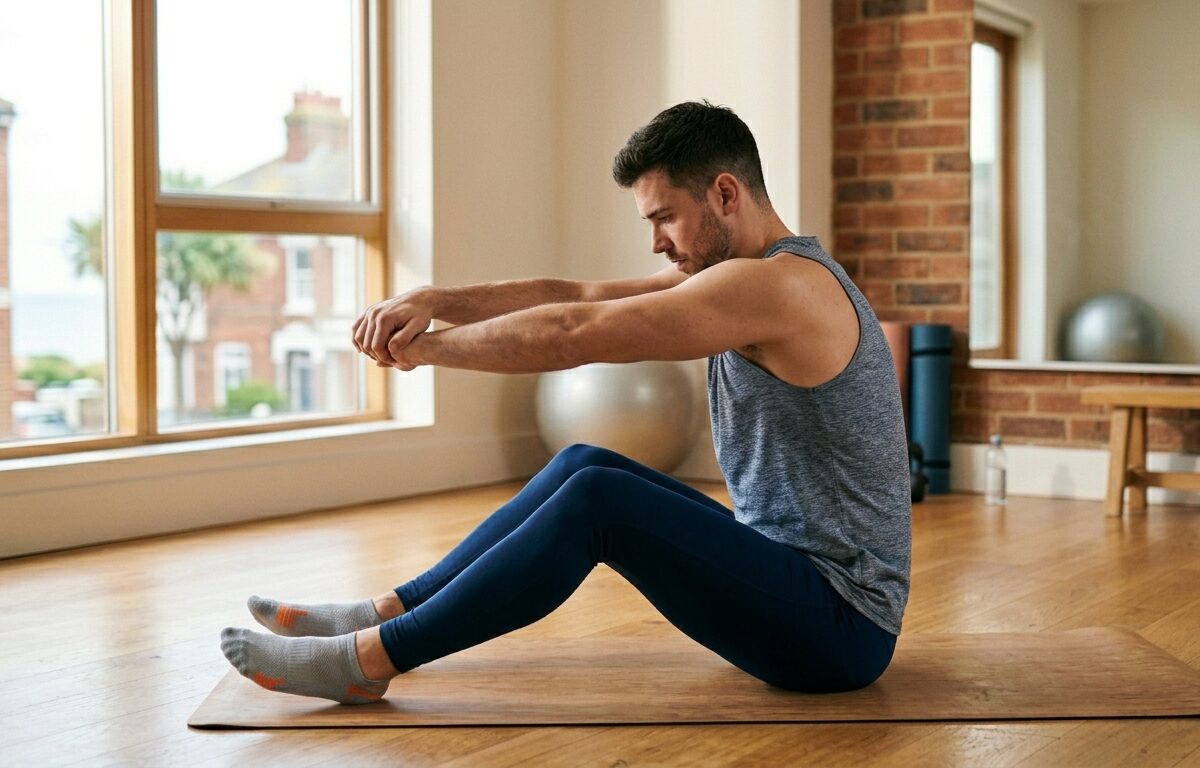
Rhomboid Stretch | Brighton Physiotherapist. Our Physiotherapist Lola demonstrates an easy and effective rhomboid stretch for you to try at home. Practicing the rhomboid stretch regularly is recommended by your Brighton physiotherapist for maintaining shoulder blade health.
Relieve Upper Back Tension: The Best Rhomboid Stretch for Lasting Desk Relief
If you spend your days working at a desk in Brighton, chances are you are intimately familiar with that nagging ache right between your shoulder blades. This discomfort often stems from the rhomboids—the crucial muscles responsible for pulling your shoulder blades back toward your spine. When you slouch over a computer or steering wheel, these muscles become chronically overstretched, weak, and tight, leading to stubborn upper back pain and tension headaches. However, learning the rhomboid stretch | Brighton Physiotherapist recommends can support your posture and alleviate these aches.
While regular chiropractic care is essential for correcting the underlying spinal misalignments that cause this tension, performing a targeted rhomboid stretch at home can provide fantastic daily relief. For best results, follow the guidance of a Brighton physiotherapist when adding this stretch to your routine.
How to Perform the Seated Rhomboid Stretch
This simple yet effective stretch can be done right at your office desk:
- Sit up tall on a chair with your feet flat on the floor.
- Interlace your fingers in front of you at chest height, palms facing your body.
- Push your hands straight out away from you, pressing your palms forward as you gently round your upper back.
- Tuck your chin slightly toward your chest to feel the deep stretch open up the space between your spine and your shoulder blades.
- Hold this position for 20 to 30 seconds, breathing deeply into your upper back. Repeat 3 times.
Boost Your Recovery with Professional Care
Stretching is a powerful tool to maintain flexibility, but if your upper back pain keeps returning, it usually indicates a deeper structural issue. Misalignments in the thoracic spine or rib cage can trap the rhomboid muscles in a state of constant spasm. Therefore, the support of a Brighton physiotherapist is vital when performing a rhomboid stretch for long-term results.
As a trusted Brighton chiropractor, we specialize in gentle, targeted adjustments that restore proper spinal alignment, reduce nerve irritation, and alleviate muscular strain. Combining regular adjustments with targeted stretching allows your body to heal naturally and maintains your mobility.
Don’t let upper back stiffness hold you back from enjoying coastal life. Contact our Brighton clinic today to book your consultation.
Book your appointment now https://ccsussex.co.uk/chiropractic-appointment-brighton/
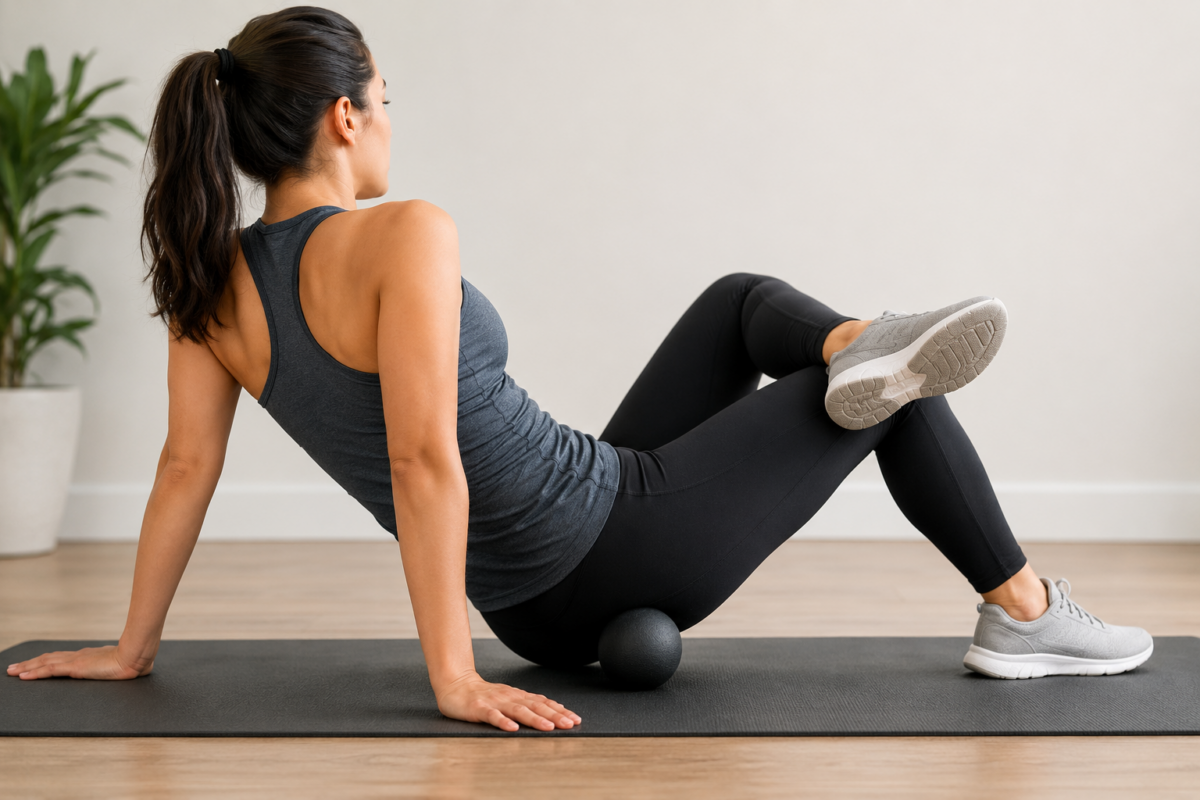
Piriformis Ball Release | Brighton Physiotherapist. Our Physiotherapist Lola Demonstrates a Piriformis Ball Release Exercise to relieve tension
Relieve Sciatica and Deep Glute Pain: The Piriformis Ball Release Method
If you are dealing with a sharp ache in your buttocks or a shooting pain down your leg, you might be experiencing piriformis syndrome. The piriformis is a small muscle located deep in the glutes that can easily become tight, inflamed, or spasmed due to prolonged sitting, running on uneven coastal surfaces, or poor spinal alignment. When this happens, it can compress the sciatic nerve, causing significant discomfort.
While visiting a local practitioner is the most effective way to address the root cause, using a massage ball at home can provide incredible, targeted relief between sessions.
How to Perform the Piriformis Ball Release
This trigger point therapy allows you to roll out tension using your own body weight.
- Position the Ball: Sit on a yoga mat and place a lacrosse ball, tennis ball, or specialized mobility ball under your affected glute.
- Find the Trigger Point: Lean your weight onto the side with the ball, supporting yourself with your hands behind you. Slowly move around until you find a tender spot.
- Intensify the Release: To deepen the pressure, cross the ankle of the affected leg over the opposite knee into a figure-four position.
- Hold and Breathe: Relax into the ball. Hold the pressure on that spot for 30 to 60 seconds while taking slow, deep breaths. Gently shift to a new spot if needed.
Why Professional Chiropractic Care Matters
While myofascial release with a ball helps soothe tight muscles, a stubborn piriformis muscle is often a symptom of a misaligned pelvis or lower back. When the pelvic girdle is unbalanced, the piriformis has to overcompensate to stabilize your hip joint.
A tailored chiropractic adjustment restores pelvic balance, takes the mechanical stress off the piriformis muscle, and directly decompresses the sciatic nerve for long-term recovery.
Book your appointment now https://ccsussex.co.uk/chiropractic-appointment-brighton/

Rhomboid Stretch | Brighton Physiotherapist. Our Physiotherapist Lola Demonstrates an easy Rhomboid stretch you can do at home or at your desk to relieve pain. In this guide, you’ll learn why the Rhomboid Stretch | Brighton Physiotherapist method can be so effective.
Say Goodbye to Knotty Shoulder Blades: The Essential Rhomboid Stretch for Brighton Desk Workers
If you work a desk job in Brighton, you are likely all too familiar with that stubborn, burning ache right between your shoulder blades. This area is home to the rhomboid muscles, which are responsible for stabilizing your shoulder blades and maintaining good posture. Notably, the Rhomboid Stretch | Brighton Physiotherapist approach can help address this discomfort.
When you spend hours hunched over a laptop at a local café or commuting along the coast, these muscles get locked into a chronically overstretched and weakened position. The result? Persistent knots, upper back stiffness, and tension that radiates up into your neck. If this sounds familiar, remember that consulting a Brighton physiotherapist for rhomboid stretch guidance is especially beneficial in these cases.
While targeted adjustments from a chiropractor are vital to fix the root underlying issues, performing a focused rhomboid stretch throughout your workday can offer immense daily relief. For ongoing support, consider referring to the Rhomboid Stretch | Brighton Physiotherapist resource for the best technique.
How to Do the Seated Rhomboid Reach
This discreet, highly effective stretch can be done right at your desk to instantly open up your upper back:. As part of the Rhomboid Stretch protocol recommended by a Brighton physiotherapist, this technique is safe and easy to perform anywhere.
- Sit Tall: Sit on the edge of your chair with your feet flat on the floor and your spine elongated.
- Interlace and Push: Interlace your fingers directly in front of your chest, turning your palms so they face away from you.
- Round and Reach: Press your hands forward as hard as you comfortably can while simultaneously rounding your upper back backward. Imagine creating as much distance as possible between your spine and your hands.
- Drop Your Head: Gently tuck your chin toward your chest to feel the stretch extend up into the base of your neck.
- Breathe deeply: Hold this position for 20 to 30 seconds, taking slow, deep breaths into the space between your shoulder blades. Repeat 3 times.
Unlock Lasting Relief with Brighton Chiropractic Care
Stretching provides excellent temporary relief, but if your upper back tension keeps coming back day after day, it usually points to a deeper mechanical issue. Misalignments in the thoracic spine or rib cage can physically trap your rhomboids in a state of chronic spasm. To sum up, using the Rhomboid Stretch | Brighton Physiotherapist tips can make a substantial difference in recovery.
At our Brighton chiropractic clinic, we don’t just treat the muscular symptoms; we address the underlying structural cause. Through gentle spinal adjustments, we restore proper joint mobility, remove pressure from irritated nerves, and allow your upper back muscles to finally relax.
If you are ready to stop managing the pain and start correcting it, reach out to our team today to schedule your comprehensive spinal assessment. Let’s get you moving freely again!