Core Chiropractic Brighton, 2 Circus Parade, New England Road, Brighton, BN1 4GW
01273 933 170

Category Archives: HOME EXERCISES

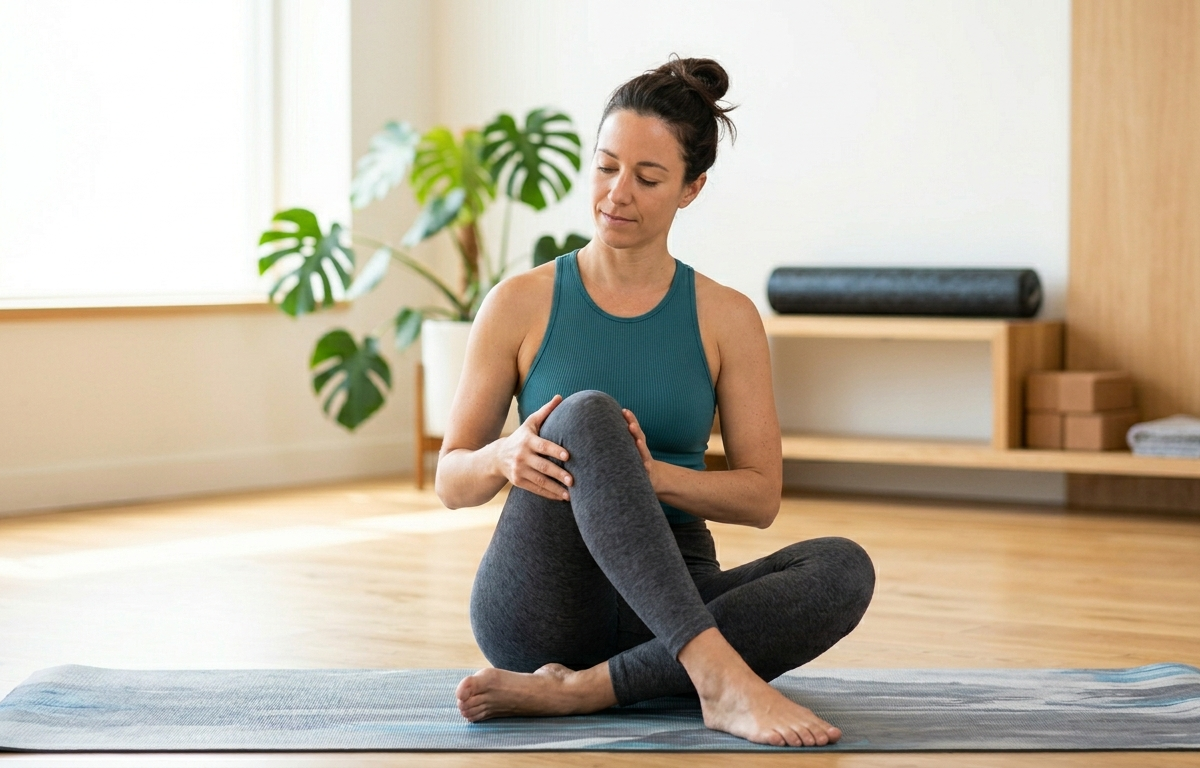
Seated Knee Mobility | Brighton Physiotherapist

Unleash Your Joint Potential: Seated Knee Mobility Secrets from Brighton’s Top Chiropractors

Do you feel a stubborn stiffness in your joints after sitting at your desk all day? If you live or work in Brighton, you aren’t alone. Long hours of static sitting can lock up your joints, leaving you searching for relief. Fortunately, you don’t need an intense workout to find it. Incorporating seated knee mobility exercises into your daily routine is a game-changer for reclaiming fluid, pain-free movement. For comprehensive guidance tailored to your needs, Seated Knee Mobility | Brighton Physiotherapist. services may be exactly what you’re looking for.

As leading providers of chiropractic care in Brighton, we frequently see how prolonged inactivity places uneven pressure on the lower body. When the muscles around your knee tighten, it alters your natural biomechanics, often triggering a chain reaction of discomfort up into your hips or down to your ankles. Therefore, considering Seated Knee Mobility | Brighton Physiotherapist. recommendations can address both immediate and ongoing joint issues.

The Benefits of Seated Knee Exercises

Seated knee mobility drills are a fantastic, low-impact solution for busy professionals and those recovering from minor injuries. They offer several key benefits:

  • Lubricate the Joint: Gentle movement stimulates the production of synovial fluid, which acts as a natural lubricant for your cartilage.
  • Boost Local Circulation: Increasing blood flow brings vital oxygen and nutrients to the surrounding tissues, accelerating recovery.
  • Desk-Friendly Relief: You can perform these exercises discreetly right from your office chair.

Simple Seated Knee Mobility Routine

Try this quick sequence next time you feel stiff and want proven results from Seated Knee Mobility | Brighton Physiotherapist. care:

  1. Seated Leg Extensions: Sit tall with your feet flat on the floor. Slowly straighten your right leg out in front of you, hold for two seconds, and lower it back down. Repeat 10 times per side.
  2. Seated Knee Circles: Lift your foot slightly off the floor and gently draw small, controlled circles with your knee to promote multi-directional tracking.

If chronic tightness or joint discomfort persists, it may point to an underlying alignment issue. Our dedicated Brighton chiropractic team is here to help you restore optimal function. To summarize, Seated Knee Mobility | Brighton Physiotherapist. support can set you on the right path for long-term joint health. Contact us today to book a comprehensive assessment and take your first step toward effortless movement.
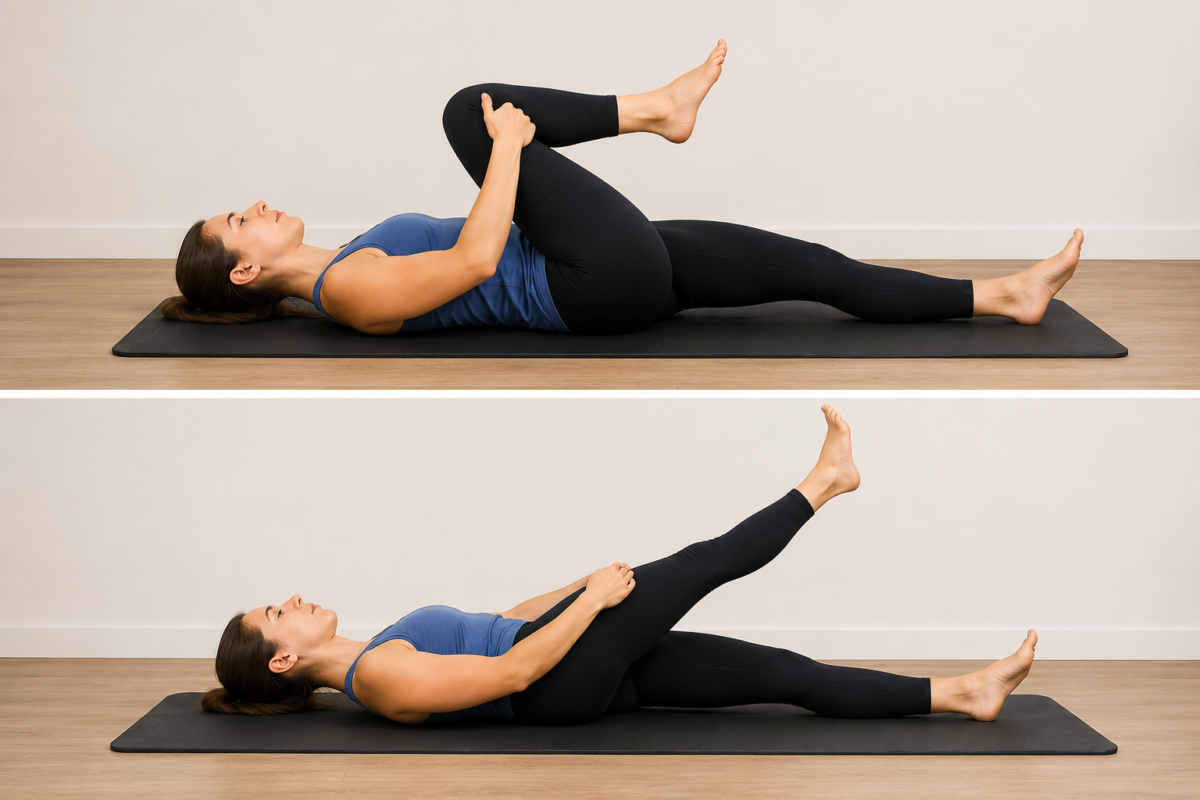
Supine Sciatic Nerve Flossing | Brighton Physiotherapist

Supine Sciatic Nerve Flossing | Brighton Physiotherapist. Lola demonstrates Supine Sciatic Nerve Flossing, a great Sciatica rehab exercise.

Supine Sciatic Nerve Flossing for Sciatica Relief in Brighton

What Is Supine Sciatic Nerve Flossing?

Supine sciatic nerve flossing is a gentle mobility exercise designed to improve the movement of the sciatic nerve through the surrounding tissues. Performed while lying on your back, this technique helps reduce nerve irritation, improve flexibility, and support recovery from sciatica-related symptoms. It is commonly recommended by chiropractors as part of a comprehensive treatment plan for lower back and leg pain.

Understanding Sciatica

Sciatica occurs when the sciatic nerve becomes irritated or compressed, often causing pain that radiates from the lower back into the buttocks, thighs, calves, or feet. Symptoms may include tingling, numbness, weakness, or sharp shooting pain. These symptoms can significantly affect daily activities, work performance, and quality of life.

How Supine Sciatic Nerve Flossing Helps

Supine sciatic nerve flossing works by gently mobilising the nerve without placing excessive strain on it. The controlled movement encourages healthy nerve gliding, reduces tension, and may help decrease inflammation around the nerve pathway. When performed correctly, nerve flossing can improve mobility and reduce discomfort associated with sciatica.

At our Brighton chiropractic clinic, we often incorporate sciatic nerve flossing exercises alongside chiropractic adjustments, soft tissue therapy, and rehabilitation programmes to support optimal recovery.

Chiropractic Care for Sciatica in Brighton

Every patient experiences sciatica differently, which is why personalised care is essential. Our chiropractors conduct a thorough assessment to identify the underlying cause of sciatic nerve irritation. By addressing spinal misalignments, joint dysfunction, and muscular imbalances, we aim to reduce pressure on the sciatic nerve and promote long-term relief.

Book a Sciatica Assessment Today

If you are experiencing sciatic nerve pain and searching for effective chiropractic care in Brighton, our experienced team is here to help. Contact our clinic today to arrange an assessment and discover how supine sciatic nerve flossing and chiropractic treatment can support your recovery and help you return to pain-free movement.

Banded Abductions | Brighton Physiotherapist

Supercharge Your Glutes: Why Banded Abductions Are a Game-Changer

If you spend your days commuting from Brighton Station or sitting at a desk in the North Laine, you might be suffering from “glute amnesia.” Hours of sitting cause our gluteal muscles to switch off, leading to tight hips, lower back pain, and poor posture. If you’re looking to wake up these vital muscles and protect your spine, banded abductions are one of the most effective exercises you can add to your routine. Additionally, Banded Abductions | Brighton Physiotherapist. exercises are often recommended to target these symptoms specifically.

What Are Banded Abductions?

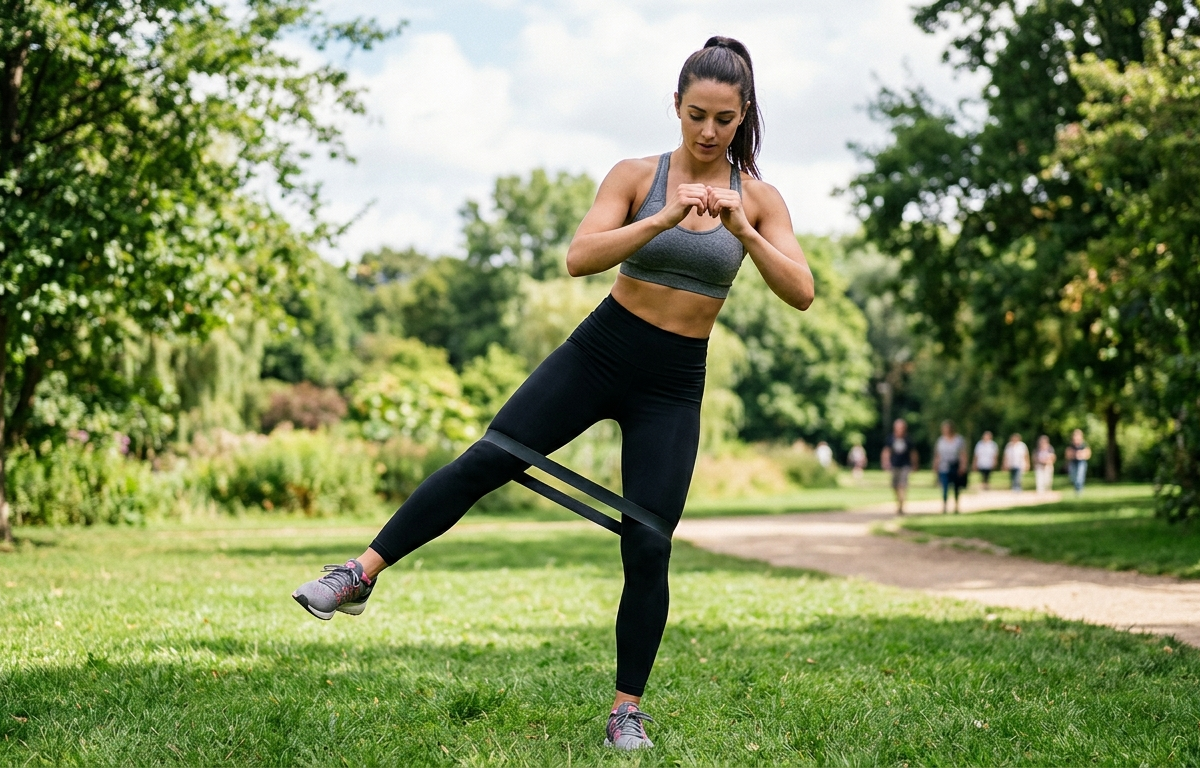
Banded abductions involve placing a resistance band just above your knees or ankles and moving your legs outward against the tension. This targeted movement isolates the gluteus medius and gluteus minimus—the muscles on the side of your hip responsible for stabilizing your pelvis. Frequently, Banded Abductions | Brighton Physiotherapist. exercise programs include these movements for hip stability and strength.

Whether you perform them seated, standing, or in a side-lying clamshell position, this simple exercise offers massive benefits:

  • Reduces Lower Back Pain: Strong hip abductors stabilize the pelvis, taking the pressure off your lumbar spine.
  • Improves Knee Stability: By preventing your knees from collapsing inward, they protect your joints during runs along the Brighton seafront.
  • Enhances Athletic Performance: Crucial for hikers, cyclists, and runners tackling the South Downs.

The Chiropractic Connection

While banded abductions are fantastic for building strength, exercises work best when your body is properly aligned. If your pelvis or spine is misaligned, your muscles can’t fire correctly, leading to uneven strain and potential injury. Therefore, Banded Abductions | Brighton Physiotherapist. routines should be performed with proper guidance for maximum benefit.

As a trusted Brighton chiropractor, we look at the bigger picture. By combining precise chiropractic adjustments with targeted rehabilitative exercises like banded abductions, we help restore full joint mobility and ensure your muscles are working in perfect harmony.

Book Your Consultation Today

Ready to move pain-free and unlock your body’s full potential? Don’t let hip stiffness or back ache hold you back. Contact our premier chiropractic clinic in Brighton today to book a comprehensive assessment and get a tailored recovery plan. In short, Banded Abductions | Brighton Physiotherapist. can be your pathway to stronger, healthier movement.

Tibialis Anterior Stretches | Brighton Physiotherapist

Relieve Shin Splints: Top Tibialis Anterior Stretches from Your Brighton Chiropractor

Do you experience a nagging ache along the front of your shins after walking up Brighton’s steep hills or running along the seafront? You might be dealing with a tight tibialis anterior—the crucial muscle responsible for lifting your foot and absorbing impact when you walk, run, or jump. For more information on Tibialis Anterior Stretches | Brighton Physiotherapist, keep reading.

When this muscle becomes overworked or tight, it can lead to shin splints, poor ankle mobility, and even altered biomechanics that affect your knees and lower back. Incorporating targeted stretches into your daily routine is an excellent way to restore flexibility and prevent injury. That’s why our Tibialis Anterior Stretches | Brighton Physiotherapist guide is so helpful for long-term relief.

Two Essential Tibialis Anterior Stretches

To keep your ankles moving freely and relieve tension along the shin, try these simple exercises. For those in Brighton, physiotherapist advice often highlights the importance of stretching your tibialis anterior regularly. Practicing these Tibialis Anterior Stretches | Brighton Physiotherapist exercises can be an effective addition to your routine.

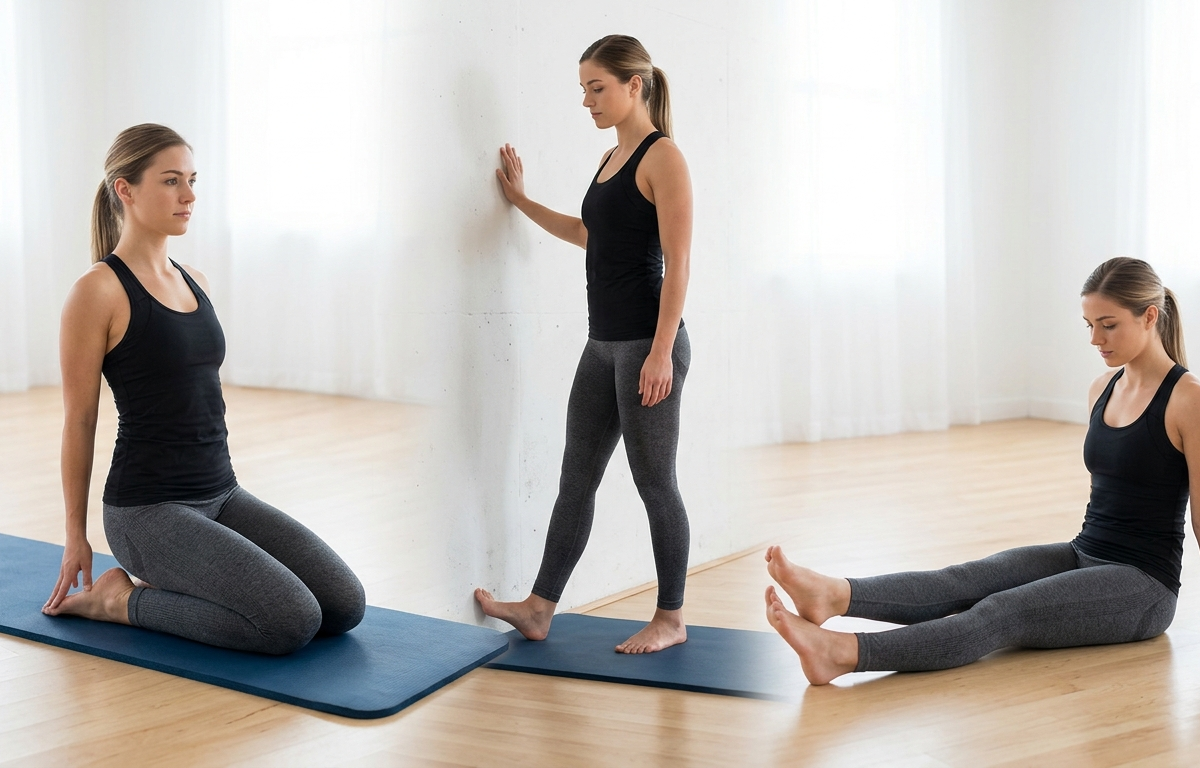
  • The Seated Shin Stretch: Sit comfortably on a chair. Extend one leg forward, point your toes downward away from your body, and gently curl your toes under. You should feel a deep, satisfying stretch along the front of your shin. Hold for 20 to 30 seconds, then switch sides.
  • The Kneeling Shin Stretch: Kneel on a soft mat with your shins flat against the floor and your toes pointed backward. Slowly sit back onto your heels until you feel a gentle stretch. If you need more intensity, place your hands behind you and slightly lift your knees. Hold for 30 seconds.

How Chiropractic Care Can Help

While stretching at home offers fantastic relief, persistent shin pain often stems from underlying alignment issues in the feet, ankles, or lumbar spine. As a trusted chiropractor in Brighton, we look beyond the surface symptoms to find the root cause of your discomfort. Through precise joint adjustments, soft tissue therapy, and personalized rehabilitation plans, we help restore optimal biomechanics to your lower limbs. Moreover, physiotherapists in Brighton frequently recommend focusing on anterior tibialis stretches for individuals seeking tailored guidance. For targeted help, consider specific Tibialis Anterior Stretches | Brighton Physiotherapist recommendations from a movement expert.

Don’t let shin pain slow you down. Contact our Brighton clinic today to book an assessment and get back to moving pain-free.

Banded Chest Flys | Brighton Physiotherapist

Banded Chest Flys: A Simple Exercise to Improve Posture and Upper Body Strength

Banded Chest Flys are an effective resistance exercise that helps strengthen the chest, shoulders, and upper back. This exercise also promotes better posture and mobility. For many people in Brighton who spend long hours working at desks or using mobile devices, incorporating exercises like Banded Chest Flys into a regular fitness routine can help reduce muscular imbalances. These imbalances often contribute to neck, shoulder, and upper back discomfort. For expert advice and guidance, consider consulting a Brighton Physiotherapist about adding Banded Chest Flys to your exercise plan.

This exercise is performed using a resistance band anchored securely behind the body. With a handle in each hand, the arms move in a controlled arc from an open position to meet in front of the chest. The movement targets the pectoral muscles while also engaging the stabilising muscles of the shoulders and upper back. Brighton Physiotherapist recommendations can ensure your Banded Chest Flys are performed safely and effectively.

One of the key benefits of Banded Chest Flys is the constant tension provided by the resistance band throughout the entire movement. This encourages better muscle activation and joint control compared to some traditional weight-training exercises. Improved chest strength can also support healthier shoulder mechanics and contribute to better overall posture.

At our Brighton chiropractic clinic, we often emphasise the importance of combining chiropractic care with appropriate strengthening and mobility exercises. Banded Chest Flys can be a valuable addition to a rehabilitation or wellness programme when performed correctly and with suitable resistance. In fact, Banded Chest Flys | Brighton Physiotherapist guidance can enhance the benefits of this exercise for your posture and muscular health.

Individuals experiencing shoulder pain, neck tension, or postural issues should seek professional guidance before beginning any new exercise programme. A chiropractor can assess movement patterns, identify underlying biomechanical issues, and recommend exercises that complement your treatment plan.

Regular exercise, proper posture, and spinal health all play important roles in maintaining long-term wellbeing. Banded Chest Flys offer a simple yet effective way to improve upper body strength, enhance posture, and support musculoskeletal health. Above all, Banded Chest Flys | Brighton Physiotherapist support can make a significant difference in your results.

If you’re looking for professional chiropractic care in Brighton, our experienced team can provide personalised assessments, treatment, and exercise advice to help you move comfortably and stay active.

Book your appointment now https://ccsussex.co.uk/chiropractic-appointment-brighton/

End Range External Rotation Isometrics | Brighton Physiotherapist

Enhance Shoulder Stability: End Range External Rotation Isometrics in Brighton

Are you struggling with persistent shoulder weakness, discomfort, or a feeling of instability when lifting objects or reaching overhead? Whether you are a swimmer training along the Brighton coast, a gym enthusiast, or someone working long hours at a desk in the North Laine, shoulder health is vital for an active lifestyle. One of the most effective, evidence-based techniques we utilize to restore joint stability is End Range External Rotation Isometrics. For those looking for End Range External Rotation Isometrics | Brighton Physiotherapist, our clinic can help.

What Are End Range External Rotation Isometrics?

This targeted exercise focuses on strengthening the rotator cuff muscles—specifically the infraspinatus and teres minor—at the absolute limit of their outward rotational movement. “Isometric” means the muscle contracts and generates force without actually changing length or moving the joint. Notably, as a Brighton physiotherapist, we ensure you master End Range External Rotation Isometrics with the correct technique and safety tips.

By engaging the muscles at their “end range,” you train the nervous system to recruit stabilizing muscle fibers precisely where the shoulder is most vulnerable to injury. As part of our protocols in Brighton, combining isometrics focused on external rotation at the end range can deliver the results you seek under expert physiotherapist guidance.

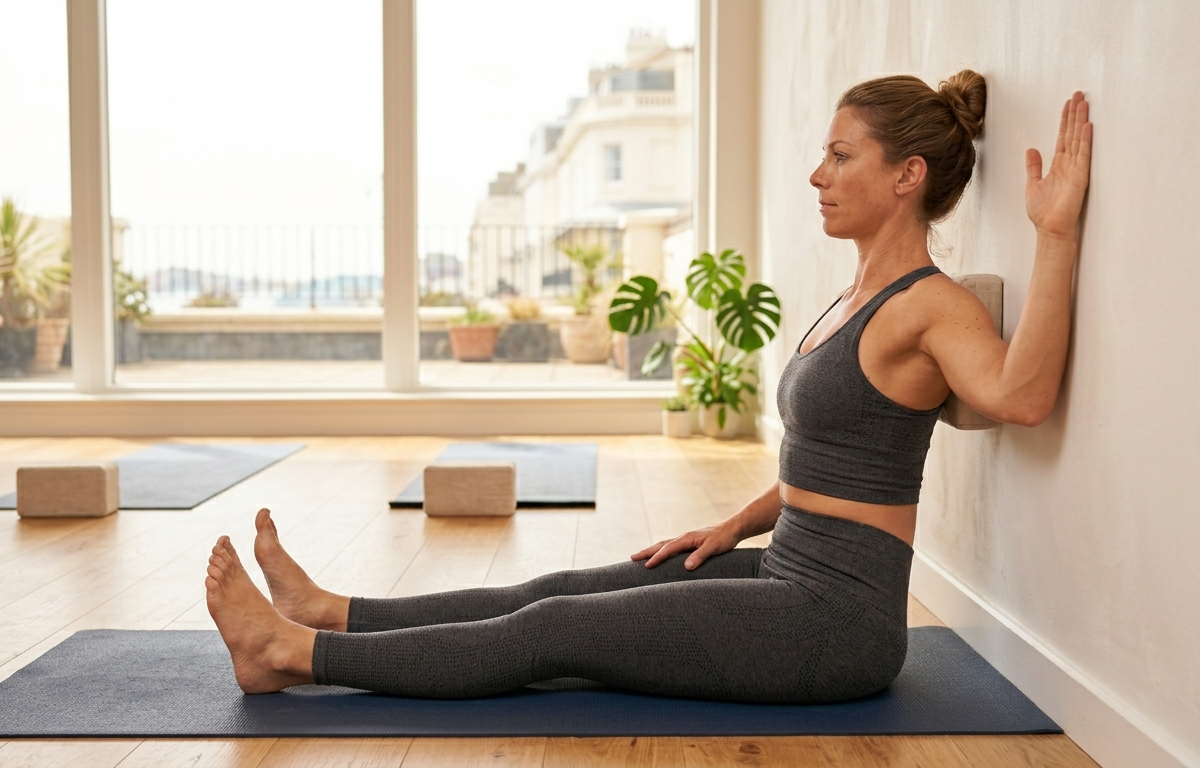
  • How to do it: Sit or stand next to a wall. Bend your elbow to a 90-degree angle and externally rotate your arm as far as comfortable. Place the back of your hand against the wall or use your opposite hand to provide resistance. Gently press outward into the resistance, holding the contraction for 10 to 15 seconds. Repeat for 3 to 5 reps. Brighton physiotherapist supervision is valuable when starting End Range External Rotation isometric exercises like this.

Why Visit a Brighton Chiropractor for Shoulder Pain?

While home exercises are highly beneficial, targeting the shoulder effectively requires proper joint alignment. As a leading chiropractor in Brighton, we assess the biomechanics of your entire upper body, including your glenohumeral joint, scapula, and thoracic spine. Thus, when it comes to end range isometrics for external rotation, a Brighton physiotherapist’s expertise is invaluable for safe and effective recovery.

If your posture is misaligned, doing exercises like isometrics won’t yield the best results. Through precise chiropractic adjustments, soft tissue therapy, and tailored rehabilitation strategies, we help you overcome chronic shoulder tension and regain peak performance. For optimum results, consult with a Brighton physiotherapist experienced in End Range External Rotation Isometrics before starting your regimen. Contact our Brighton clinic today to book your consultation!

End Range External Rotation Stretch | Brighton Physiotherapist

Unlock Shoulder Mobility: End Range External Rotation Stretch in Brighton

Do you experience a pinching sensation in your shoulder when reaching into the back seat of your car? Or notice a restrictive stiffness during your overhead lifts? Whether you are an active sea swimmer bracing the waters at Brighton Beach or a professional spending long hours hunched over a laptop in the Lanes, shoulder tightness can significantly impact your daily life. One of the most effective ways to combat this restriction and improve your upper-body biomechanics is the End Range External Rotation Stretch.

Understanding the End Range External Rotation Stretch

This targeted mobility exercise focuses on expanding the flexibility of the internal rotators of the shoulder (like the subscapularis and latissimus dorsi). At the same time, it safely opens up the glenohumeral joint capsule at its outer limits.

By gently guiding the shoulder into its end-range outward rotation, you help restore the natural, fluid movement required for overhead tasks and athletic performance.

  • How to perform it: Stand in a doorway or next to a sturdy door frame. Bend your elbow to 90 degrees and place your palm and forearm flat against the frame. Keeping your core engaged and your shoulder blade tucked down and back, slowly step forward or rotate your torso away from the door frame.
  • The Hold: Move until you feel a deep, comfortable stretch across the front of your shoulder and chest. Hold this position for 20 to 30 seconds while breathing deeply, then slowly release. Repeat 3 times on each side.

Why Choose a Brighton Chiropractor for Shoulder Stiffness?

Persistent shoulder restriction is rarely just a localized muscle issue. As experienced chiropractors in Brighton, we take a holistic approach to your upper body health. Restricted shoulder rotation is frequently linked to poor thoracic spine mobility. Additionally, it is often associated with forward-head posture or minor misalignments in the neck and collarbone.

Through precise chiropractic adjustments, targeted myofascial release, and tailored rehabilitative stretches, we work to restore full function to your joints. Don’t let shoulder stiffness hold you back from enjoying an active Brighton lifestyle. Contact our clinic today to schedule your comprehensive assessment!

Overhead Stretch | Brighton Physiotherapist

The Overhead Stretch: Brighton Chiropractor’s Guide to Relieving Desk Fatigue

Living and working in Brighton means balancing a vibrant lifestyle with long hours. Whether you are commuting on the Southern Rail or working from a home office in the North Laine, sitting at a desk for hours can wreck your posture. Practicing the Overhead Stretch | Brighton Physiotherapist routine is a simple way to counteract these effects.

If you constantly battle tight shoulders and a stiff upper back, there is one simple movement you can do right now to find relief: the overhead stretch. Many Brighton Physiotherapist experts specifically recommend trying the Overhead Stretch | Brighton Physiotherapist approach for effective results.

Why the Overhead Stretch is a Game-Changer

When you slouch over a computer or phone, your shoulders round forward, and your chest muscles tighten. This creates a posture breakdown known as postural distortion, which places immense strain on your spine and neck.

The overhead stretch acts as an instant antidote. By reaching your arms fully above your head, you achieve several immediate benefits, which is why so many professionals favour the Overhead Stretch | Brighton Physiotherapist method.

  • Decompresses the spine: It opens up the spaces between your vertebrae, reducing pressure on your discs.
  • Lengthens the latissimus dorsi: This large back muscle gets chronically short and tight from sitting.
  • Improves lung capacity: Opening your chest allows for deeper, more oxygen-rich breathing.

How to Do It Correctly

You can perform this stretch sitting down, but standing up is even better to wake up your glutes and legs. In fact, using the Overhead Stretch | Brighton Physiotherapist technique can make standing stretches more effective and targeted.

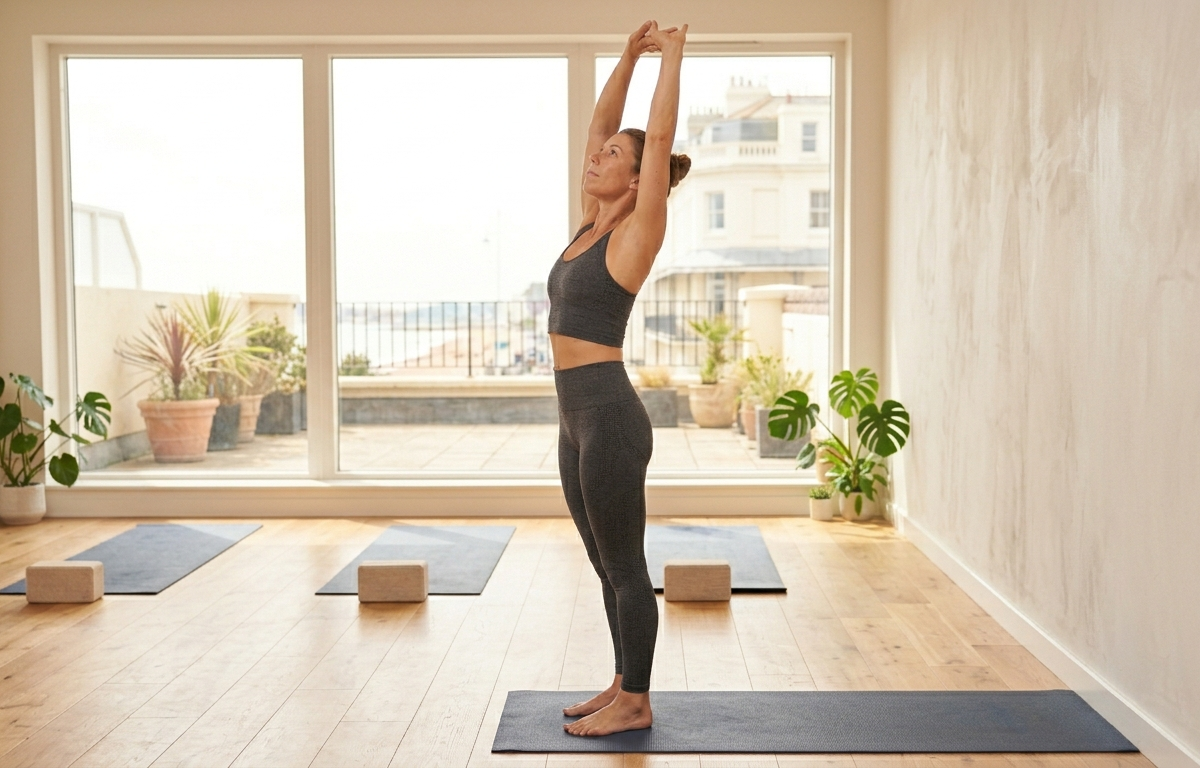
  1. Stand tall with your feet hip-width apart.
  2. Interlace your fingers with your palms facing upward (or hold a small towel if your shoulders are very tight).
  3. Inhale deeply as you reach your arms straight up toward the ceiling.
  4. Keep your shoulders relaxed down away from your ears—don’t crunch them up.
  5. Hold for 20 to 30 seconds, breathing naturally, then gently release.

Pro-Tip: Aim to do this stretch once every hour. It takes less than a minute but saves your back from hours of built-up tension.

When to See a Brighton Chiropractor

While stretching provides excellent daily maintenance, stubborn stiffness or sharp pain often points to an underlying spinal misalignment.

If your back pain persists despite regular stretching, our experienced chiropractic team in Brighton is here to help. We address the root cause of your discomfort, restoring proper alignment so you can fully enjoy everything our beautiful seaside city has to offer. Contact us today to book your posture assessment.

Book your appointment now https://ccsussex.co.uk/chiropractic-appointment-brighton/

Marching Plank | Brighton Physiotherapist

Core Stability and Spinal Health: The Marching Plank in Brighton

Do you find yourself struggling with a dull ache in your lower back after a long stroll along the Brighton Palace Pier? Or do you feel it after hours sitting at your desk in the city centre? Lower back discomfort is incredibly common, and it often stems from a lack of deep core stability. While traditional planks are a fantastic starting point for building endurance, the marching plank takes your functional fitness to the next level. It does this by actively challenging your pelvic control and rotational stability.

Why the Marching Plank Works

The marching plank is a dynamic progression of the standard forearm plank. By introducing movement, you force your deep stabilizing muscles—including the transverse abdominis, glutes, and multifidus—to work together. This helps keep your spine neutral.

  • How to do it: Begin in a standard forearm plank position with your elbows directly under your shoulders. Keep your body in a straight line from head to heels.
  • The Movement: Squeeze your glutes and slowly lift one foot a few inches off the floor without letting your hips sag or rotate. Instead, hold for a brief second, lower it back down, and repeat with the opposite leg.
  • The Goal: Aim for 10 to 12 alternating “marches” per side. Focus entirely on keeping your pelvis completely level throughout the exercise.

Boost Your Recovery with a Brighton Chiropractor

If you notice your hips dipping significantly or feel a pinching sensation in your lower back during this exercise, it may indicate a spinal misalignment or muscle inhibition. As a dedicated chiropractor in Brighton, we specialize in identifying these biomechanical deficits. Through targeted spinal adjustments, postural correction, and tailored exercise rehabilitation, we help ensure your core exercises are building strength rather than compensating for restriction. Contact our Brighton clinic today to book an assessment. Move with confidence!

Psoas March | Brighton Physiotherapist

Psoas March Exercise: Strengthening Your Core and Supporting Spinal Health in Brighton

The Psoas March is a highly effective exercise that helps strengthen the deep core muscles, improve hip stability, and support overall spinal health. At our Brighton chiropractic clinic, we often recommend this movement as part of a comprehensive rehabilitation and wellness programme. This is particularly relevant for patients experiencing lower back pain, poor posture, or reduced mobility. Notably, many individuals ask us about the Psoas March | Brighton Physiotherapist method for achieving the best results with this exercise.

The psoas muscle is one of the body’s most important hip flexors. It connects the lower spine to the femur and plays a vital role in walking, standing, balance, and core stability. When the psoas becomes weak or dysfunctional, it can contribute to lower back discomfort, hip tightness, and movement restrictions. In fact, guidance on the Psoas March | Brighton Physiotherapist approach may help address such issues.

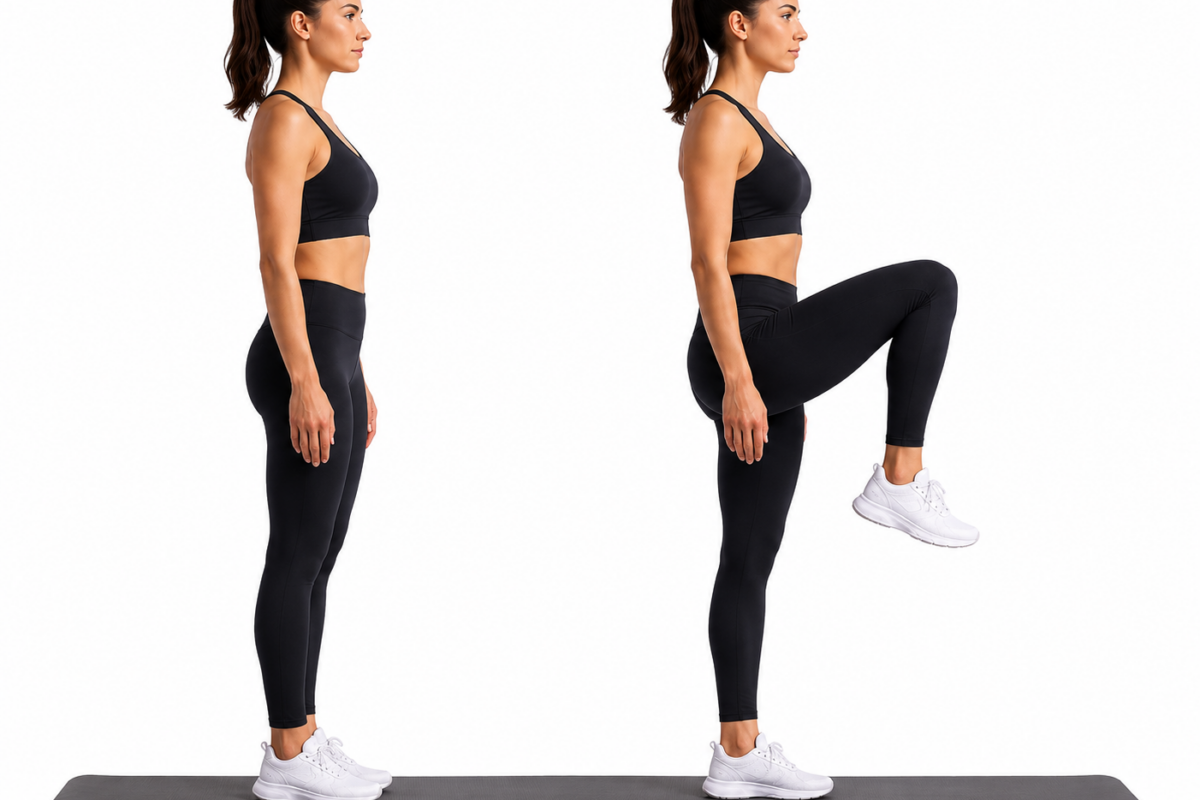
The Psoas March specifically targets the psoas while engaging the abdominal muscles and promoting pelvic stability. During the exercise, one knee is lifted toward hip height while maintaining an upright posture and a stable core. This controlled movement helps improve neuromuscular coordination and strengthens the muscles that support the lumbar spine. Following the Psoas March | Brighton Physiotherapist recommended cues can enhance your results.

Many Brighton residents who spend long hours sitting at desks or commuting can benefit from incorporating the Psoas March into their daily routine. Regular practice may help reduce strain on the lower back, improve posture, enhance athletic performance, and support injury prevention. Above all, Psoas March | Brighton Physiotherapist techniques offer tailored strategies for optimal benefits.

As chiropractors, we understand that every patient is unique. While the Psoas March is beneficial for many individuals, proper technique is essential to achieve the best results and avoid compensation patterns. Our experienced chiropractic team in Brighton can assess your movement patterns. Furthermore, we can create a personalised exercise programme tailored to your specific needs.

If you’re experiencing back pain, hip discomfort, or posture-related issues, contact our Brighton chiropractic clinic today. We can help identify the root cause of your symptoms. In addition, we can guide you through effective exercises, including the Psoas March, to support long-term spinal health and mobility.