Bicep Curls | Physiotherapist Brighton Lola demonstrates a basic Bicep curl, great for strengthening the Biceps and great rehab for Bicep tendonitis
Glute Bridges | Physiotherapist Brighton Physio Lola demonstrates a basic glute/single leg glute bridge, great for glute strength and stability
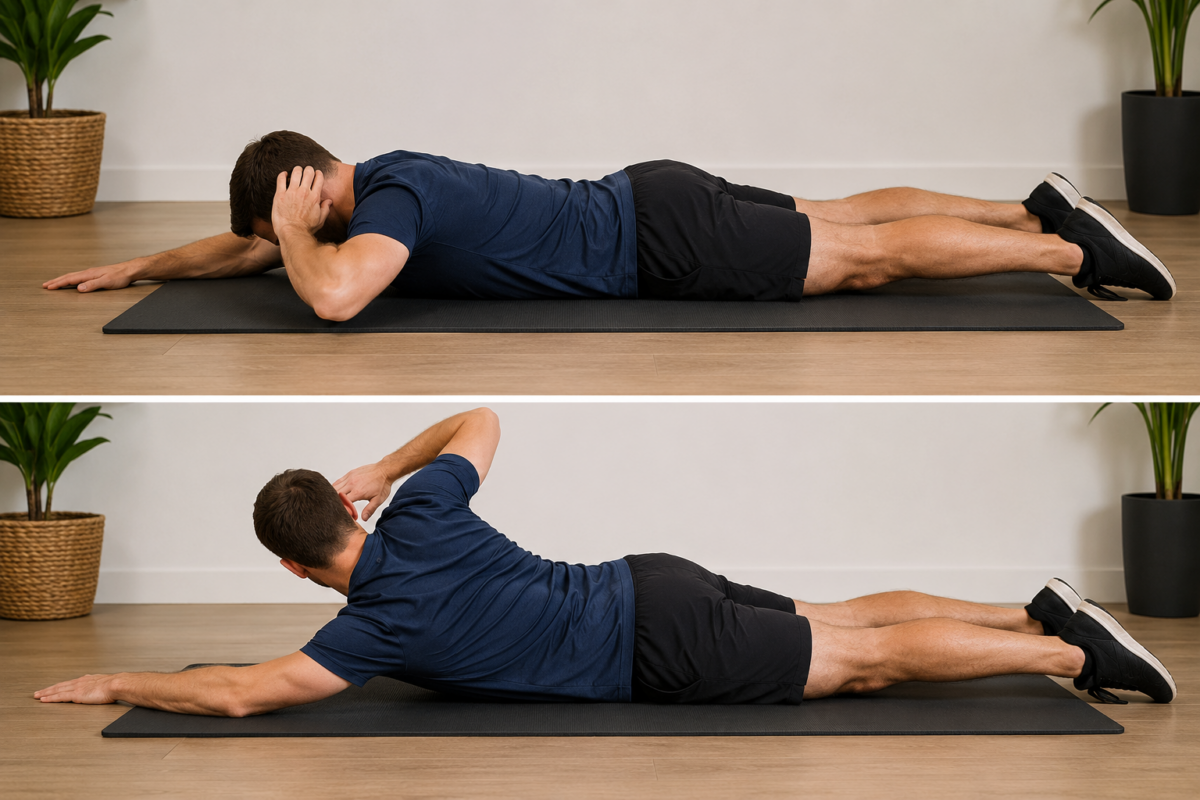
Prone Thoracic Rotations | Chiropractor Brighton Matt Bateman demonstrates Prone Thoracic Rotations. This exercise helps open up the chest, and reduces tightness and pain in the Thoracic Spine
Prone Thoracic Rotations for Better Spinal Mobility
What Are Prone Thoracic Rotations?
Prone Thoracic Rotations improve mobility in the thoracic spine, the middle section of your back. Chiropractors often recommend this exercise to increase spinal movement, improve posture, and reduce stiffness. At our chiropractic clinic in Brighton, we regularly include Prone Thoracic Rotations in rehabilitation programmes to help patients move more freely and comfortably.
Why Thoracic Mobility Matters
Many people spend hours sitting at desks, driving, or looking down at phones and tablets. These habits can reduce mobility in the thoracic spine and create excessive strain on other areas of the body. Limited movement in the upper back often contributes to neck tension, shoulder discomfort, poor posture, and lower back pain.
Good thoracic mobility helps your spine move efficiently and supports healthy posture during daily activities. When the thoracic spine functions well, the neck, shoulders, and lower back experience less stress.
How to Perform Prone Thoracic Rotations
Lie face down on the floor. Place one hand behind your head and extend the opposite arm in front of you for support. Rotate your upper body and open your chest towards the ceiling while keeping your hips stable. Pause briefly at the top of the movement before returning to the starting position. Repeat the exercise on both sides using slow and controlled movements.
Key Benefits of Prone Thoracic Rotations
Regular practice can deliver several important benefits:
- Improve thoracic spine mobility
- Enhance posture and body awareness
- Increase shoulder movement and flexibility
- Reduce muscular tension in the upper back
- Support healthy movement patterns
- Decrease unnecessary strain on the neck and lower back
Chiropractic Care in Brighton
At our Brighton chiropractic clinic, we assess every patient individually and create personalised treatment plans based on their needs. We often combine targeted exercises such as Prone Thoracic Rotations with chiropractic adjustments, soft tissue therapy, and lifestyle advice to support recovery and long-term spinal health.
If you struggle with back stiffness, poor posture, or restricted movement, our experienced Brighton chiropractors can help you restore mobility, improve function, and maintain a healthier spine.
Effective Lunge Techniques for Better Mobility and Spinal Health
Why Lunges Are Important for Spinal Health
Lunges are one of the most effective exercises for improving lower-body strength, balance, and mobility. When performed correctly, they can help support proper posture and reduce stress on the spine, making them a valuable addition to any fitness routine. At our chiropractic clinic in Brighton, we often recommend lunges as part of a holistic approach to musculoskeletal health. In fact, many people consult resources focused on Lunge Techniques | Physiotherapist Brighton to improve their recovery and prevent injury.
How to Perform a Forward Lunge
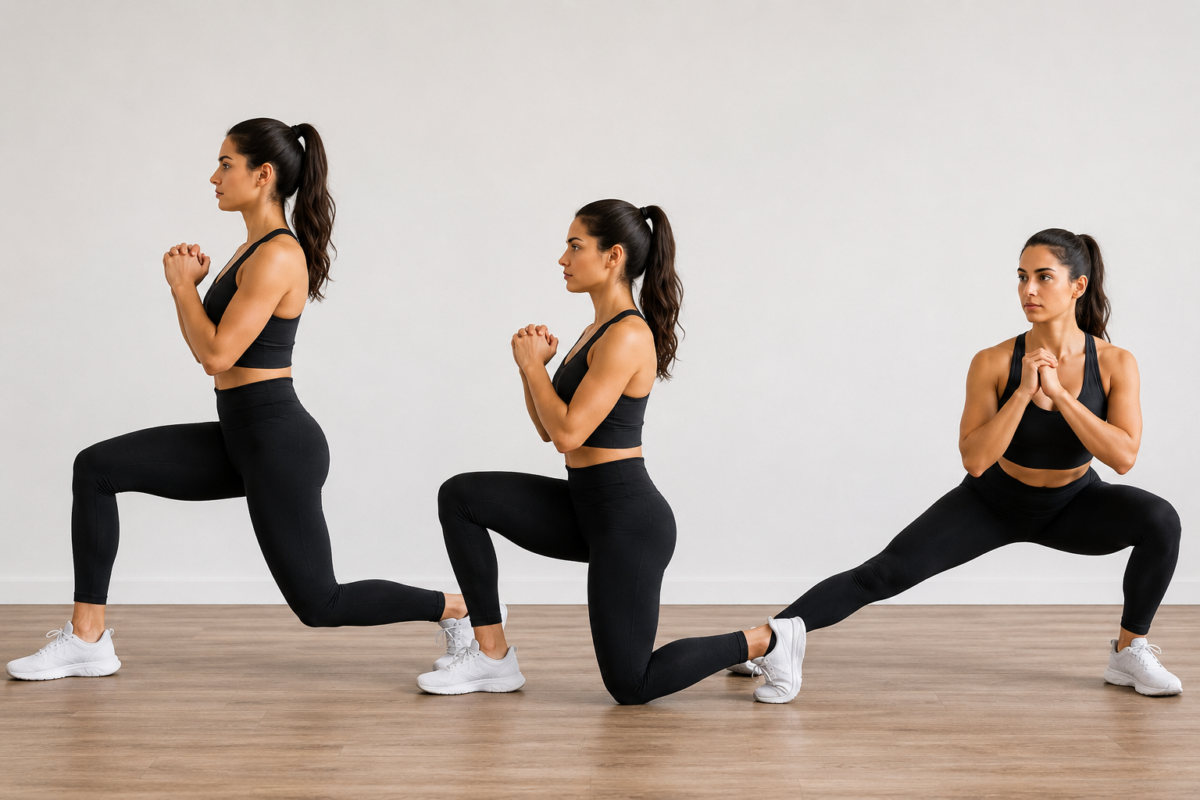
A basic forward lunge begins by standing tall with your feet hip-width apart. Step forward with one leg and lower your body until both knees are bent at approximately 90 degrees. Keep your front knee aligned with your ankle and avoid allowing it to move past your toes. Push through your front heel to return to the starting position and repeat on the opposite side. To ensure safety, you might benefit from professional instructions regarding Lunge Techniques | Physiotherapist Brighton before adding this exercise to your routine.
Popular Lunge Variations
Reverse lunges are another excellent variation. By stepping backward instead of forward, you place less stress on the knee joint while still strengthening the glutes, quadriceps, and core muscles. Walking lunges can further improve coordination and balance, while side lunges target the inner and outer thigh muscles. Notably, Lunge Techniques | Physiotherapist Brighton can include both simple and advanced variations adapted to your needs.
Common Form Mistakes to Avoid
Proper form is essential to avoid unnecessary strain on the lower back and joints. Keep your chest lifted, engage your core muscles, and maintain a neutral spine throughout the movement. Avoid leaning forward excessively or allowing your knees to collapse inward. If you experience discomfort or instability, it may indicate underlying mobility restrictions or muscular imbalances that should be assessed by a healthcare professional. Above all, expert guidance in Lunge Techniques | Physiotherapist Brighton is helpful for correcting common mistakes.
Benefits of Lunges for Mobility and Posture
Regularly incorporating lunges into your exercise programme can improve flexibility, enhance functional movement, and support overall spinal health. Strong, balanced muscles help reduce the risk of injury and contribute to better posture during daily activities.
Chiropractic Support in Brighton
If you’re experiencing back pain, joint stiffness, or movement limitations, our experienced chiropractors in Brighton can provide a personalised assessment and treatment plan. We focus on addressing the root cause of discomfort, helping you move more freely and maintain an active, healthy lifestyle. Whether you’re recovering from an injury or looking to improve your physical performance, professional chiropractic care can support your long-term wellbeing.
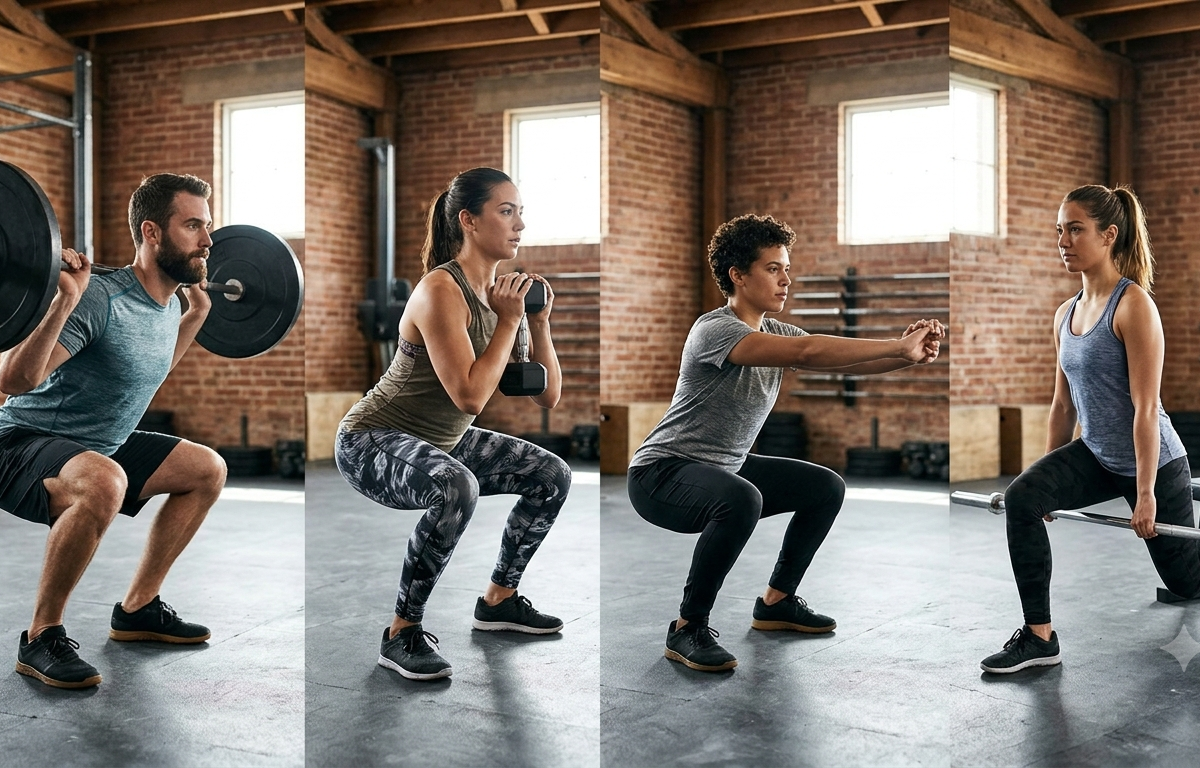
Master the Squat: Protect Your Spine with Tips from Brighton’s Chiropractic Experts
Whether you are lifting heavy weights at the gym or simply picking up groceries from the floor, the squat is one of the most fundamental movements human bodies perform. However, when done with poor form, this powerhouse exercise can shift from a strength-builder to a leading cause of lower back pain and joint strain. As any physiotherapist in Brighton would confirm, using correct squatting techniques is crucial for both everyday movements and athletic performance. In fact, Squatting Techniques | Physiotherapist Brighton is a topic we emphasize for safe lifting and long-term fitness results.
At our Brighton-based chiropractic clinic, we frequently treat injuries that stem from improper lifting mechanics. By mastering squatting techniques with guidance from a physiotherapist in Brighton, you can build total-body strength while safeguarding your spine and joints. More importantly, learning the Squatting Techniques | Physiotherapist Brighton recommends will optimise your movement patterns and reduce injury risk.
3 Key Rules for a Spine-Safe Squat
To keep your posture aligned and avoid unnecessary spinal compression, focus on these three foundational elements. That’s why most physiotherapists in Brighton will emphasize proper squatting techniques for long-term spine health. Remember, Squatting Techniques | Physiotherapist Brighton can help you maintain great form for every rep.
- Maintain a Neutral Spine: Avoid rounding your lower back (known as the “butt wink”) at the bottom of your squat, as well as excessively arching your spine. Keep your chest proud and your core braced.
- Drive Through the Heels: Keep your feet flat on the floor, roughly shoulder-width apart. As you push back up to a standing position, drive the force through your heels and mid-foot, not your toes, to protect your knees.
- Hinge at the Hips: Initiate the movement by sending your hips back—as if sitting down into an invisible chair—rather than just bending your knees forward.
Need Personalized Guidance?
Every individual’s biomechanics, hip anatomy, and ankle mobility are slightly different. For individual recommendations about squatting techniques, our Physiotherapist Brighton team is here to help. If you are experiencing discomfort during your workouts, or want to ensure your form is perfectly optimized to prevent injury, we can help. For more tips on Squatting Techniques | Physiotherapist Brighton, feel free to contact our experts today.
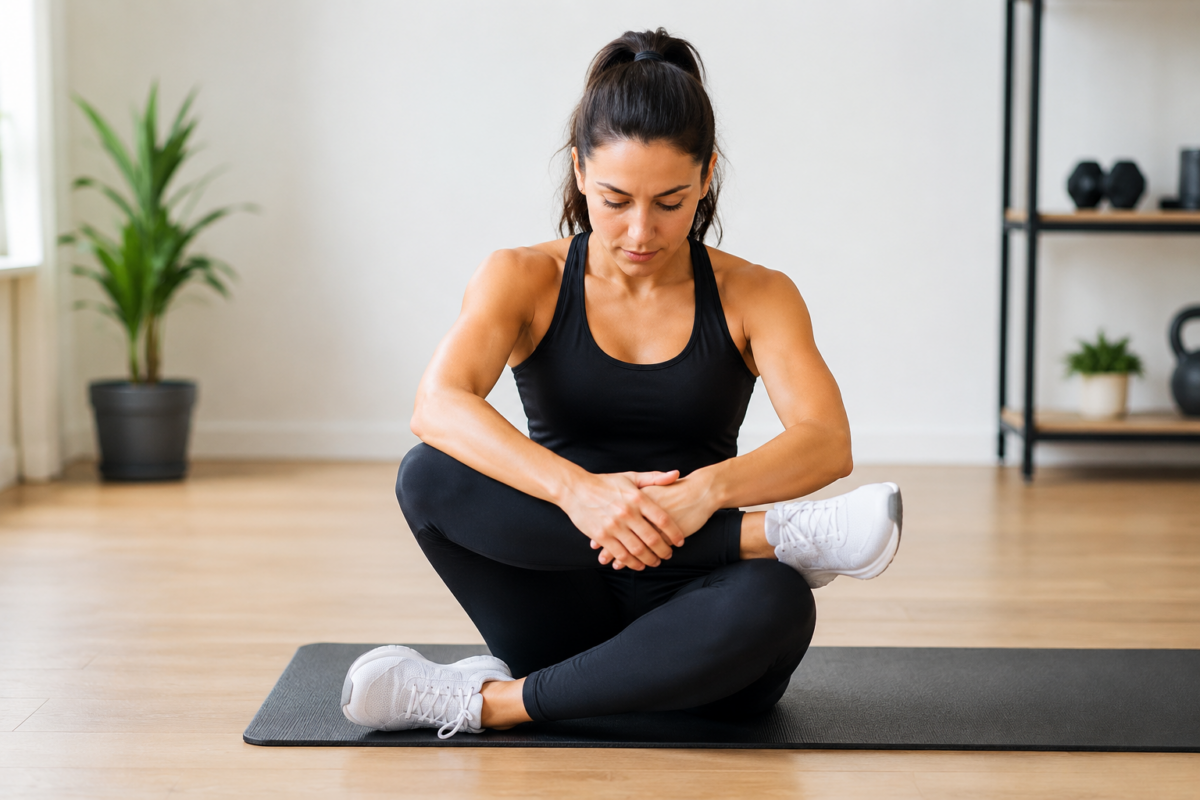
Loaded Glute Stretch | Chiropractor Brighton Matt Bateman demonstrates an advanced Pigeon Stretch variation, great for opening up the Hips and stretching the Glutes/Lower Back
Loaded Glute Stretch: Improve Hip Mobility and Support a Healthier Spine
The Loaded Glute Stretch is an effective mobility exercise that helps improve hip flexibility, increase glute strength, and reduce tension that can contribute to lower back discomfort. Unlike traditional static stretching, this movement combines gentle loading with controlled stretching, allowing the muscles to become stronger while improving their range of motion. For many chiropractic patients, incorporating a loaded glute stretch into a daily routine can support spinal health and enhance overall movement.
Why Glute Mobility Matters
Tight glute muscles often affect the alignment of the pelvis and place additional stress on the lumbar spine. This can contribute to stiffness, poor posture, and discomfort during everyday activities. By performing a loaded glute stretch correctly, you can improve hip mobility, encourage better movement patterns, and reduce unnecessary strain on the lower back. When combined with chiropractic care, mobility exercises like this may help maintain the results of spinal adjustments and support long-term musculoskeletal health.
How to Perform a Loaded Glute Stretch
Begin in a seated or supported position with one ankle crossed over the opposite knee. Keeping your back straight, slowly lean forward while maintaining control. Apply gentle resistance by engaging the muscles rather than forcing the stretch. Hold briefly, return to the starting position, and repeat several times before switching sides. Focus on slow, controlled movements, breathe steadily throughout the exercise, and stop immediately if you experience sharp pain.
Benefits of the Loaded Glute Stretch
The loaded glute stretch offers several benefits, including:
- Improved hip flexibility and mobility
- Increased glute activation and strength
- Better pelvic stability and posture
- Reduced tension in the lower back
- Enhanced athletic performance and everyday movement
- Lower risk of muscle strain when performed consistently
Athletes, office workers, and individuals recovering from muscle tightness can all benefit from incorporating this exercise into a regular mobility routine. Consistency is more important than intensity, and gradual progress helps reduce the risk of injury.
Loaded Glute Stretch and Chiropractic Care
At our chiropractic clinic, we often recommend targeted mobility exercises alongside personalised chiropractic treatment to address the root causes of pain and movement restrictions. If you are experiencing persistent hip tightness, lower back pain, or reduced flexibility, our team can develop a customised care plan that includes chiropractic adjustments, rehabilitation exercises, and stretching techniques such as the Loaded Glute Stretch to help you move more comfortably, improve function, and support long-term spinal health.
Sciatic Nerve Mobilisation 3 | Chiropractor Brighton Matt Bateman demonstrates another simple and easy to perform Sciatic Nerve Mob exercise to easy Sciatic tension and pain
Low Back Stretch 2 | Chiropractor Brighton Matt Bateman demonstrates a super simple and easy to perform lower back stretch to ease tightness and pain
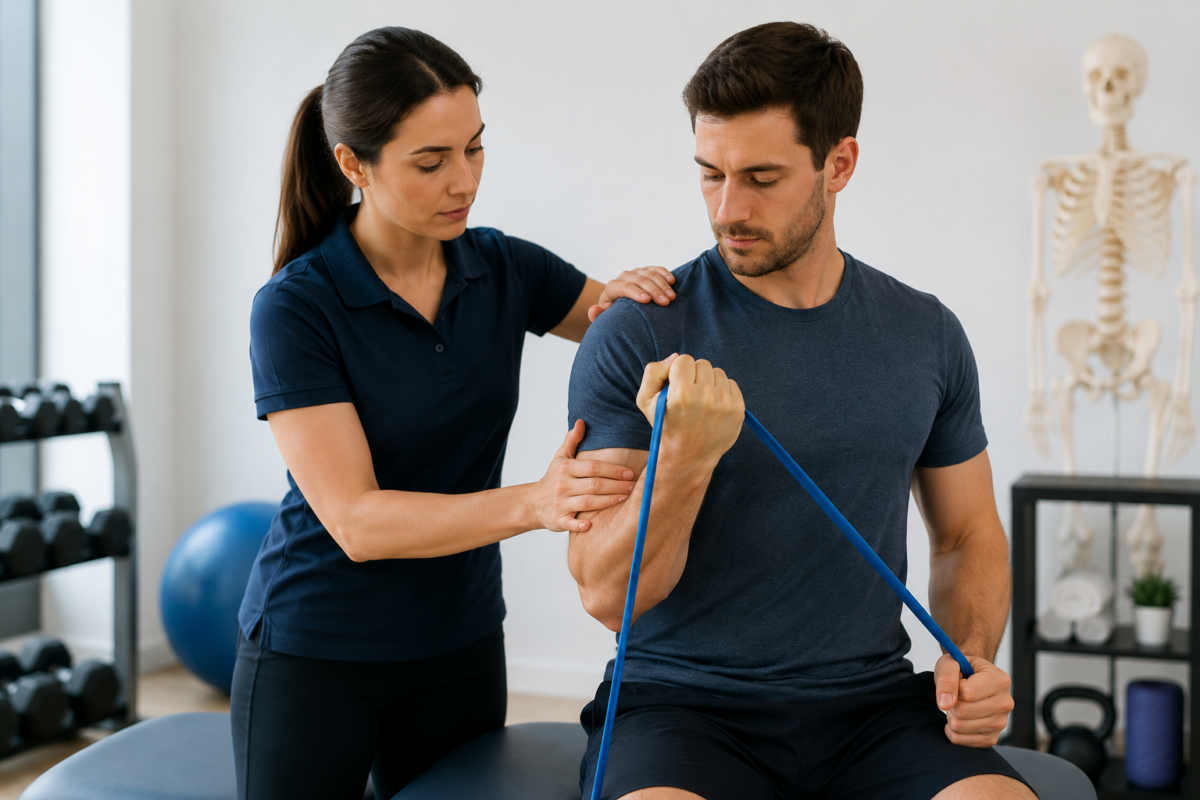
Biceps Tendinopathy Rehab in Brighton: Restore Strength and Reduce Shoulder Pain
What Is Biceps Tendinopathy?
Biceps tendinopathy develops when the biceps tendon becomes irritated, inflamed, or begins to degenerate. Repetitive overhead movements, heavy lifting, sporting activities, and poor shoulder mechanics commonly contribute to this condition. Many people experience pain at the front of the shoulder, tenderness, weakness, and discomfort when lifting the arm or carrying everyday items. At our Brighton chiropractic clinic, we create personalised rehabilitation programmes that reduce pain, restore strength, and help prevent future injuries. If you are looking for expert Biceps Tendinopathy Rehab | Physiotherapist Brighton services, our team provides targeted treatment to support your recovery.
How Chiropractic Care Supports Biceps Tendinopathy Rehab
Effective biceps tendinopathy rehab requires more than rest alone. Our chiropractors identify and address the movement patterns and biomechanical issues that place excess stress on the biceps tendon. Limited mobility in the neck, upper back, or shoulder often increases tendon loading and slows recovery. We use chiropractic adjustments, soft tissue therapy, joint mobilisation, and movement assessments to improve shoulder function, restore mobility, and encourage healing. We also combine hands-on treatment with structured rehabilitation exercises to help patients achieve lasting results, similar to the approach used in Biceps Tendinopathy Rehab | Physiotherapist Brighton programmes.
Effective Rehabilitation Exercises
Targeted exercises form the foundation of successful tendon rehabilitation. We begin with gentle exercises that reduce pain and restore comfortable movement before progressing to strengthening exercises that improve the tendon’s ability to tolerate load. Your programme may include isometric biceps holds, resistance band curls, scapular stability exercises, and rotator cuff strengthening. We also recommend stretches for the chest and exercises that improve thoracic spine mobility to reduce unnecessary strain on the shoulder. We tailor every rehabilitation plan to your symptoms, activity level, and recovery goals, ensuring safe and effective progress throughout treatment.
Why Choose Our Brighton Chiropractic Clinic?
Our experienced chiropractors deliver evidence-based rehabilitation that targets both the symptoms and the underlying causes of biceps tendinopathy. We combine chiropractic adjustments, rehabilitation exercises, posture correction, and practical lifestyle advice to help you recover safely and return to work, sport, and daily activities with confidence. Patients across Brighton trust our clinic for comprehensive Biceps Tendinopathy Rehab | Physiotherapist Brighton care.
If shoulder pain continues to affect your daily life or you suspect biceps tendinopathy, book an appointment with our Brighton chiropractic clinic. Early assessment and personalised rehabilitation can relieve pain, restore shoulder function, improve mobility, and reduce the risk of future tendon injuries.
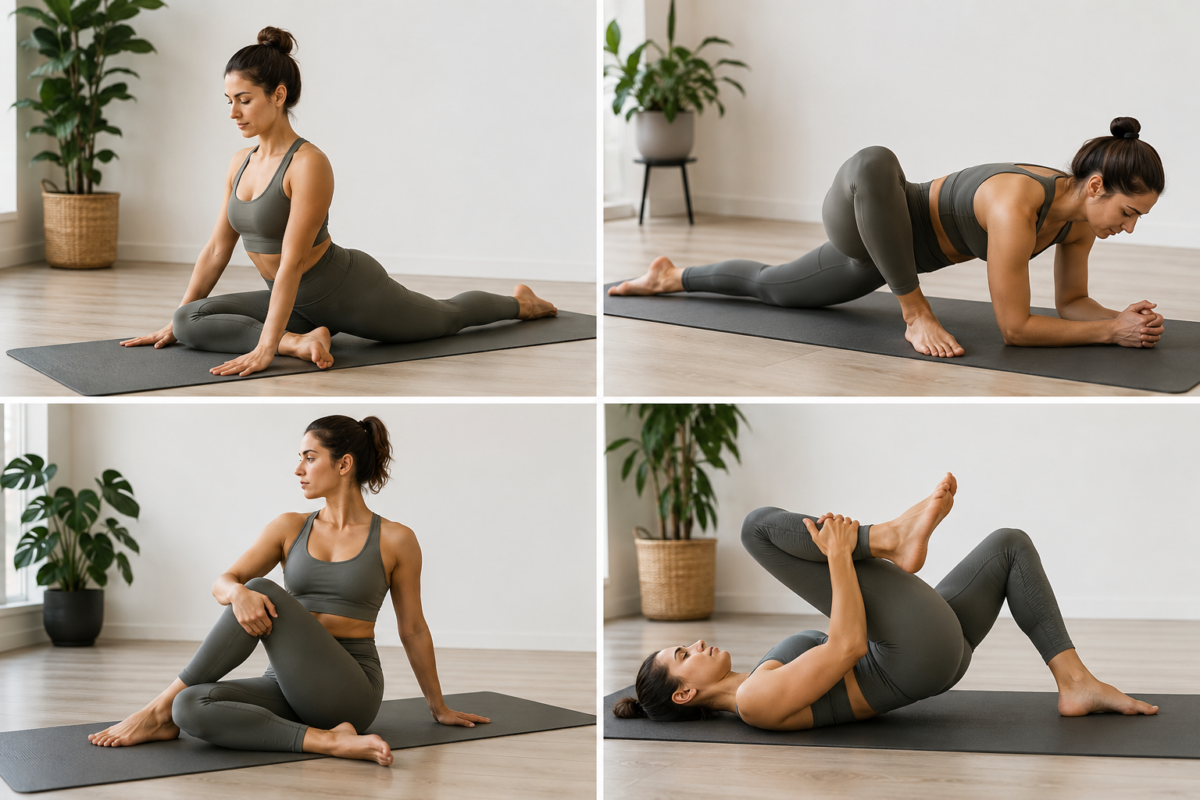
Advanced Hip Stretching: Improve Mobility and Support Spinal Health in Brighton
Why Advanced Hip Stretching Matters
Advanced hip stretching helps improve flexibility, reduce muscle tightness, and support healthy movement. Tight hip muscles often contribute to lower back pain, poor posture, and restricted mobility. Many people in Brighton spend long hours sitting at work or commuting, which places extra stress on the hips and lower spine. Regular stretching keeps the hips mobile and allows the pelvis and spine to move more naturally. In summary, Advanced Hip Stretching 2 | Brighton Chiropractor programs can address these common issues effectively.
Benefits for Chiropractic Care
Chiropractic care works best when joints and muscles function together. Advanced hip stretching complements chiropractic adjustments by reducing muscle tension around the pelvis and lower back. Improved hip mobility can decrease unnecessary strain on the lumbar spine, making everyday activities more comfortable. Patients often notice better posture, smoother movement, and greater flexibility when they combine stretching with chiropractic treatment. In fact, Advanced Hip Stretching 2 | Brighton Chiropractor professionals often recommend integrating both approaches for optimal results.
Effective Advanced Hip Stretches
Several advanced stretches target the hip flexors, glutes, piriformis, and surrounding muscles. The pigeon stretch helps release deep hip muscles and improves external rotation. The lizard stretch increases flexibility through the hip flexors while encouraging better pelvic movement. The 90/90 stretch strengthens hip rotation and enhances joint mobility. Performing these stretches with proper technique helps prevent injury and delivers lasting results. Always warm up before stretching and stop if you experience sharp pain. For many, Advanced Hip Stretching 2 | Brighton Chiropractor routines can ensure each stretch is effective and safe.
Support Long-Term Mobility
Consistent hip stretching supports an active lifestyle and reduces the risk of recurring discomfort. Whether you enjoy running along Brighton seafront, cycling, or regular gym sessions, flexible hips improve performance and recovery. A personalised stretching programme also addresses movement imbalances that may contribute to persistent aches and stiffness.
Professional Chiropractic Support in Brighton
If tight hips affect your comfort or mobility, professional chiropractic care can identify the underlying cause. A chiropractor assesses your posture, movement patterns, and joint function before creating a treatment plan tailored to your needs. Combining chiropractic adjustments with advanced hip stretching helps restore balance, improve flexibility, and support long-term spinal health. Advanced Hip Stretching 2 | Brighton Chiropractor services may be ideal for ongoing care. Regular care keeps your body moving efficiently and helps you enjoy an active, pain-free lifestyle in Brighton.