
Sciatic Nerve Mobilisation 4 | Chiropractor Brighton Matt Bateman demonstrates another great Sciatic Nerve Mobilisation exercise to ease off Sciatic tension and tightness
Reverse Plank | Chiropractor Brighton Matt Bateman show a more advanced exercise for the glutes, low back and hamstrings to help prevent low back pain
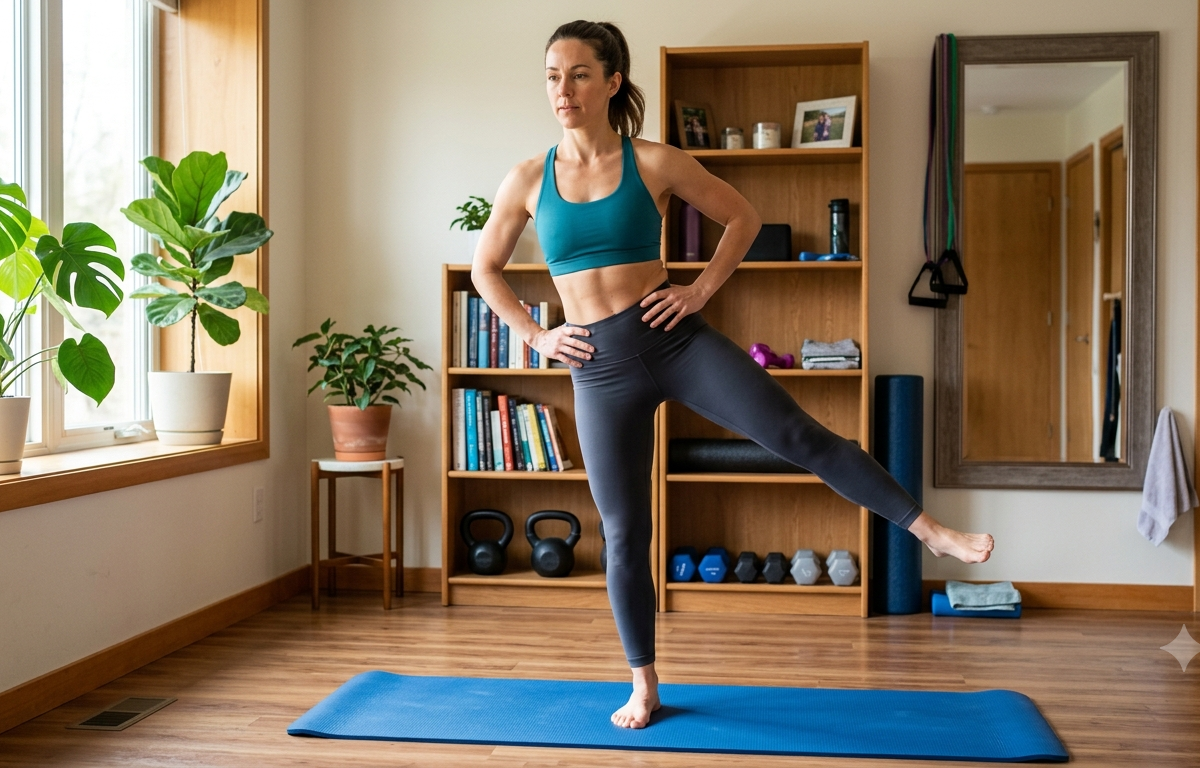
Home Workout for Healthy Hips and Knees: Chiropractic Advice in Brighton
Maintaining strong and mobile hips and knees is essential for staying active, reducing pain, and preventing injuries. Whether you enjoy running, walking, cycling, or simply want to move comfortably throughout the day, a simple home workout can improve joint function and muscle strength. If you’re experiencing persistent discomfort, a Brighton chiropractor can assess the underlying cause and create a personalised treatment plan to support your recovery. For those looking for helpful guidance, a Home workout for Healthy Hips and Knees | Physiotherapist Brighton program may be especially beneficial.
Why Hip and Knee Strength Matters
The hips and knees work together during almost every movement, including walking, climbing stairs, and standing from a seated position. Weak muscles, poor mobility, or joint restrictions can place extra stress on these areas, leading to pain and reduced function. Strengthening the surrounding muscles helps improve stability, supports healthy movement patterns, and lowers the risk of injury. For guidance, following a Home workout for Healthy Hips and Knees | Physiotherapist Brighton routine supports these key aspects.
Effective Home Exercises
A balanced home workout should include exercises that target strength, flexibility, and balance. Bodyweight squats, glute bridges, side leg raises, and step-ups are excellent for building hip and knee stability. Gentle stretches for the hip flexors, hamstrings, quadriceps, and calves can also improve mobility and reduce stiffness. Start with controlled movements and gradually increase repetitions as your strength improves. Moreover, Home workout for Healthy Hips and Knees | Physiotherapist Brighton recommendations often include these effective exercises for best results.
When to See a Chiropractor
If hip or knee pain continues despite regular exercise, it may be caused by joint dysfunction, muscle imbalances, or poor movement mechanics. A qualified chiropractor in Brighton can assess your posture, gait, and joint mobility to identify contributing factors. Chiropractic care may include manual adjustments, soft tissue therapy, rehabilitation exercises, and practical advice to help restore normal movement and reduce discomfort. In fact, a Home workout for Healthy Hips and Knees | Physiotherapist Brighton can complement these treatments and significantly enhance recovery and prevention.
Supporting Long-Term Joint Health
Consistency is key when improving hip and knee health. Performing simple home exercises several times each week, combined with good posture and proper movement habits, can make a significant difference over time. If you’re struggling with ongoing pain, stiffness, or limited mobility, visiting a trusted Brighton chiropractic clinic can help you move with greater confidence, recover more effectively, and maintain healthy, pain-free hips and knees for years to come.
Book your appointment now: https://ccsussex.co.uk/chiropractic-appointment-brighton/
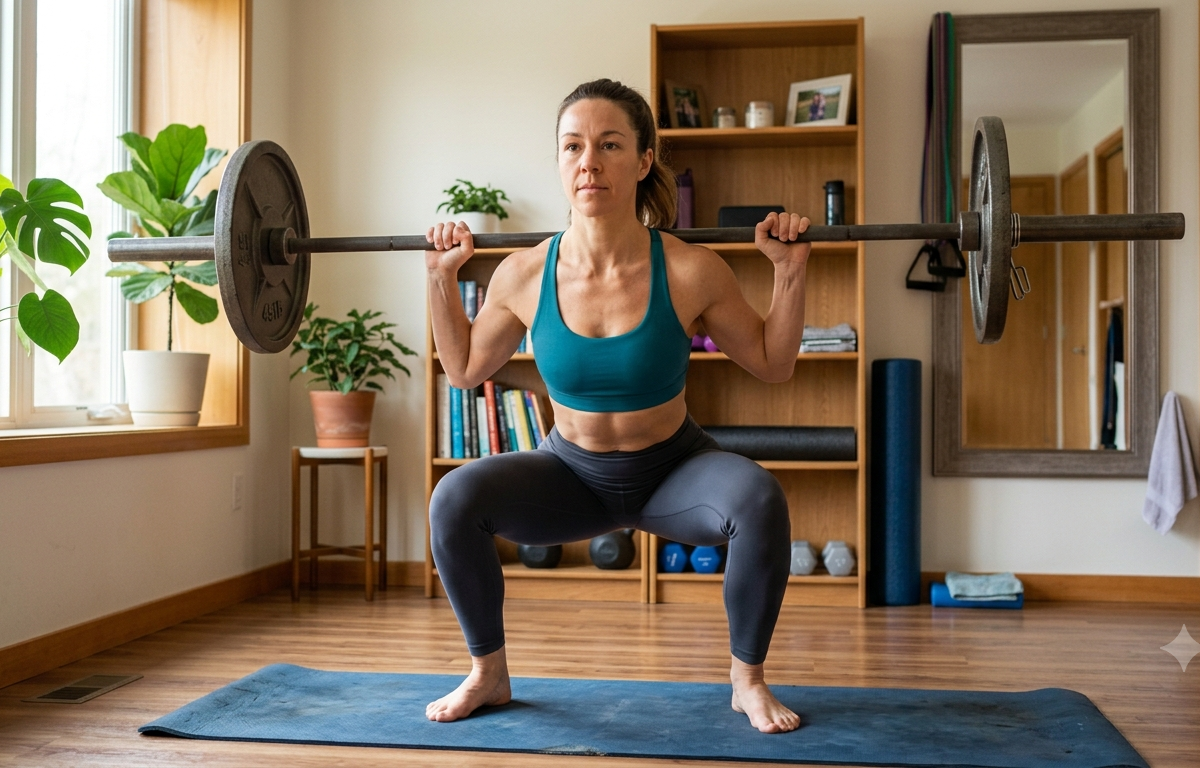
Finding Your Squat Stance: The Brighton Guide to Pain-Free Lifting
The squat is often called the king of exercises, but if you are forcing your body into a textbook position that does not suit your anatomy, you might be setting yourself up for injury. At our Brighton chiropractic clinic, we frequently see patients struggling with hip pinching or lower back tightness simply because their squat stance is a poor match for their unique skeletal structure. For additional guidance, consider consulting our “Finding Your Squat Stance | Brighton Physiotherapist” resources.
There is no single “perfect” squat stance. The shape of your hip sockets, the length of your thigh bones, and your ankle mobility all dictate how deep you can go and how wide your feet should be. Finding your squat stance is essential for protecting your joints and maximizing your strength. You can find professional tips by reading Finding Your Squat Stance | Brighton Physiotherapist advice online.
The Standard Test
To find your natural alignment, try the quadruped rock-back test:
- Get onto your hands and knees.
- Keep your spine neutral and slowly rock your hips back toward your heels.
- If your back rounds early, widen your knees and try again.
- The angle where you can rock back the furthest without your lower back tucking under is generally a great indicator of where your feet should sit when you stand up to squat. As a rule of thumb, this assessment allows you to begin finding your squat stance | Brighton physiotherapist techniques that best suit your anatomy.
Listen to Your Body
When you transition to a standing squat, pay close attention to your knees and hips. Your knees should always track directly in line with your toes. If you feel a sharp pinch in the front of your hip, your stance may be too narrow, or your toes may need to be turned outward slightly to clear space in the joint.
An optimal squat should feel stable, fluid, and completely free of joint pain. To summarise, successfully finding your squat stance | Brighton physiotherapist guidance ensures pain-free and efficient lifting. If you are local to East Sussex and want to optimize your lifting mechanics or resolve nagging training aches, book a assessment with our Brighton chiropractic team today.
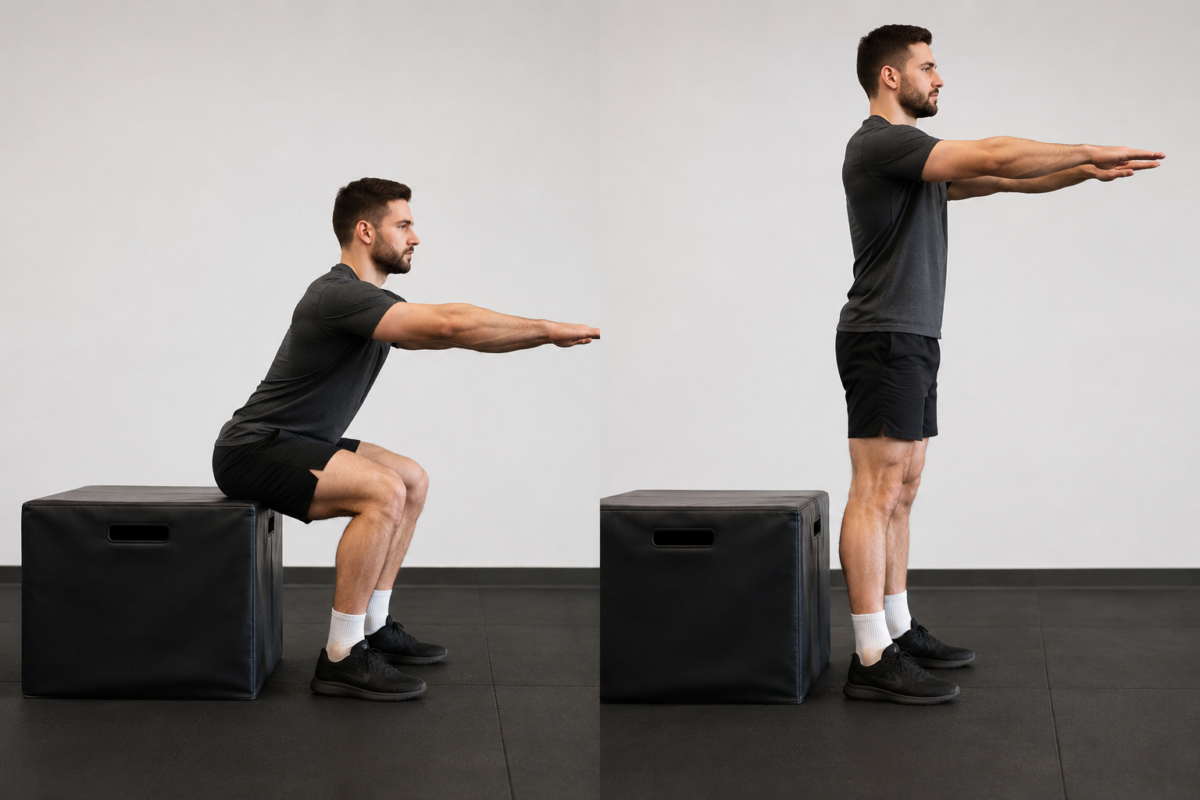
Box Squats: Build Strength Safely and Support Spinal Health in Brighton
What Are Box Squats?
Box squats are an excellent lower-body exercise that can improve strength, balance, and movement quality while reducing unnecessary strain on the joints. In fact, Box Squats | Brighton Physiotherapist programs often use this method to teach proper technique. Unlike traditional squats, box squats involve sitting back onto a sturdy box or bench before standing up again. This encourages better technique, greater hip engagement, and improved control throughout the movement.
Benefits of Box Squats for Back Health
For people recovering from injury or experiencing lower back discomfort, box squats can be a valuable part of a rehabilitation or strength programme when performed correctly. According to Box Squats | Brighton Physiotherapist recommendations, limiting the depth of the squat helps reduce excessive stress on the knees and lower back while still strengthening the glutes, hamstrings, and quadriceps. Improved lower-body strength also contributes to better posture, spinal stability, and everyday functional movements such as sitting, standing, and lifting.
Box Squats and Chiropractic Care in Brighton
Many patients visiting a chiropractor in Brighton experience back pain caused by poor movement patterns, muscle weakness, or prolonged sitting. Incorporating exercises like box squats, alongside professional chiropractic care, can help restore healthy movement and reduce the likelihood of recurring discomfort. Furthermore, Box Squats | Brighton Physiotherapist protocols often complement chiropractic assessments. A chiropractor can assess your posture, mobility, and muscle imbalances to determine whether box squats are appropriate for your condition and ensure they are performed safely.
How to Perform a Box Squat Correctly
To perform a box squat, stand with your feet shoulder-width apart and slowly push your hips backwards while keeping your chest lifted. Lower yourself until you gently sit on the box without collapsing, then drive through your heels to return to standing. Maintaining a neutral spine throughout the exercise is essential to avoid unnecessary strain. For more guidance, consider a Box Squats | Brighton Physiotherapist session tailored to your needs.
Looking for a Chiropractor in Brighton?
If you’re looking to improve your strength, recover from injury, or manage ongoing back pain, combining targeted exercises with expert chiropractic treatment can make a significant difference. At our chiropractic clinic in Brighton, we provide personalised assessments, hands-on care, and tailored rehabilitation programmes to help you move better, feel stronger, and return confidently to the activities you enjoy. Whether you’re an athlete or simply want to stay active, we’re here to support your long-term spinal health.
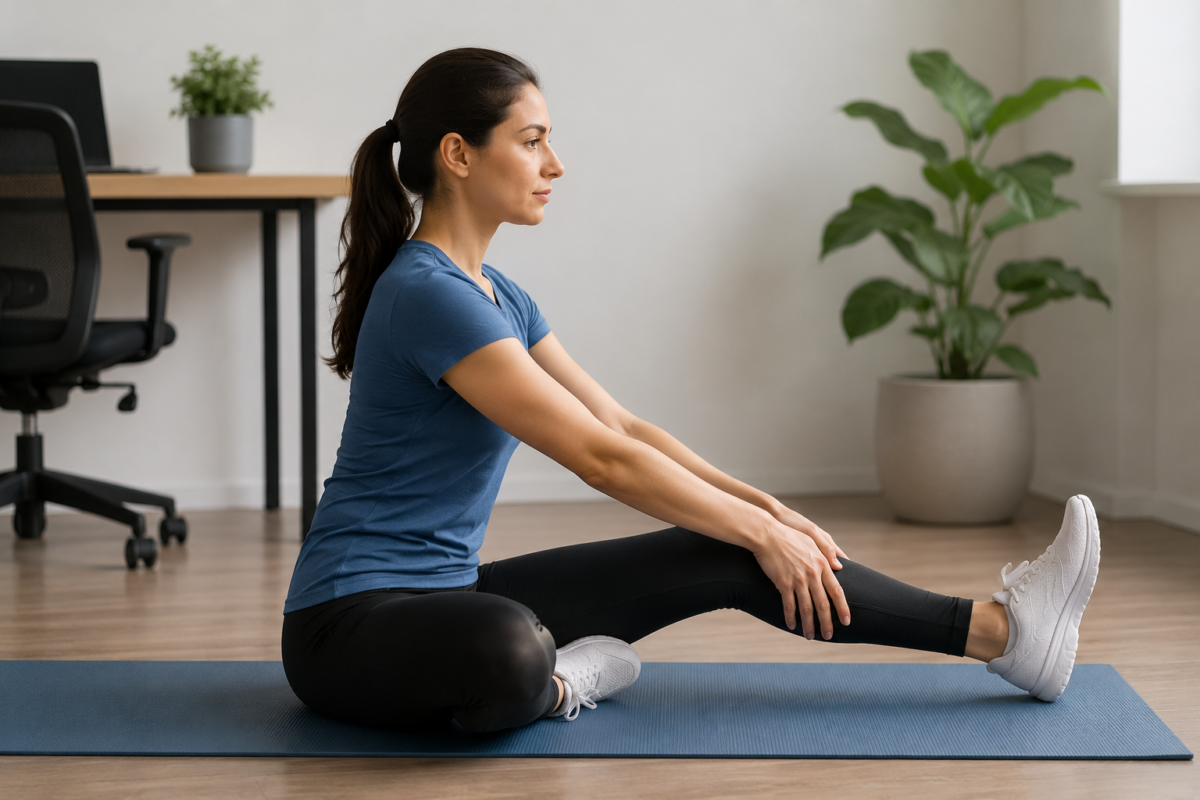
Long Sitting Knee Mobility: Why It Matters for Healthy Movement
How Long Sitting Affects Your Knees
If you spend hours sitting at a desk, driving, or working from home, you may notice your knees feeling stiff when you stand up. Long periods of sitting can reduce knee mobility, tighten surrounding muscles, and place extra strain on the joints. Over time, this lack of movement may contribute to discomfort and affect your overall posture and mobility. In fact, long sitting knee mobility concerns are often raised with a Brighton physiotherapist due to the demands of modern lifestyles.
Why Knee Mobility Is Important
When the knees remain bent for extended periods, the muscles around the hips, thighs, and calves can become tight. Reduced circulation and limited joint movement may also make everyday activities such as walking, climbing stairs, or exercising feel more challenging. Maintaining good long sitting knee mobility is essential for keeping your joints flexible, supporting healthy movement, and reducing unnecessary stress on surrounding joints. Therefore, long sitting knee mobility | Brighton physiotherapist guidance may help you prevent ongoing issues.
Tips to Improve Knee Mobility
Simple movement breaks throughout the day can make a significant difference. Standing up every 30 to 60 minutes, stretching your quadriceps, hamstrings, and calves, and performing gentle knee extension exercises can help improve flexibility and reduce stiffness. Low-impact activities such as walking, cycling, and swimming also encourage healthy joint movement without placing excessive stress on the knees. For those concerned about long sitting knee mobility, a Brighton physiotherapist can offer personalized advice.
How Chiropractic Care Can Help
A chiropractor can assess how your posture, spinal alignment, and lower limb mechanics influence knee function. In many cases, restricted movement in the hips, pelvis, or ankles can affect the way the knees move. Through personalised treatment, mobility exercises, and practical ergonomic advice, chiropractic care may help improve movement patterns, restore joint mobility, and reduce discomfort associated with prolonged sitting. Additionally, long sitting knee mobility | Brighton physiotherapist assessments can complement chiropractic care for optimal results.
Chiropractic Care in Brighton
If you’re looking for chiropractic care in Brighton, addressing knee stiffness early can help prevent ongoing mobility issues. Whether you work in an office, study for long hours, or have a sedentary lifestyle, professional guidance can support healthier movement and improve your daily comfort.
At our Brighton chiropractic clinic, we provide tailored assessments and treatment plans designed to help restore mobility, improve posture, and support overall joint health. If long hours of sitting are leaving your knees feeling stiff, booking an assessment is the first step towards moving more comfortably and confidently. Regular chiropractic care, combined with simple daily movement habits, can help keep your knees healthy, flexible, and ready for everyday activities.
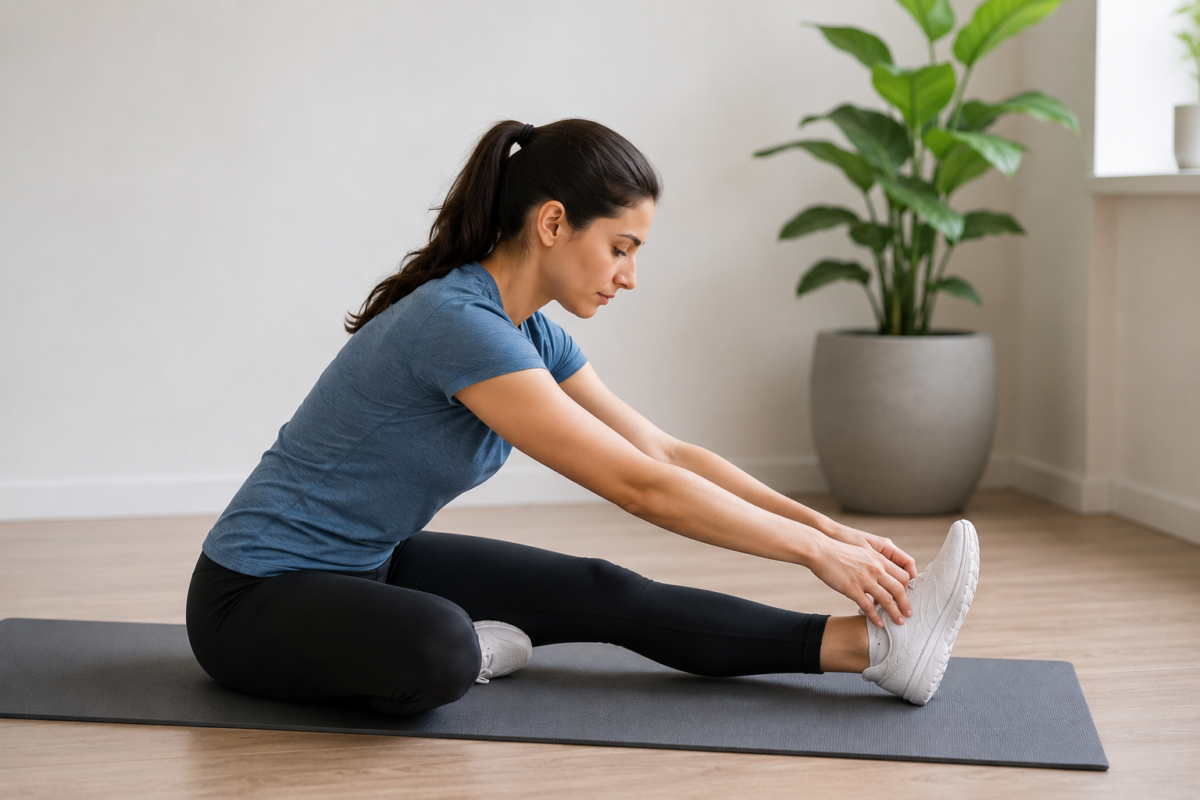
Long Sitting Calf / Hamstring Stretch: Improve Flexibility and Reduce Stiffness
Why the Long Sitting Calf and Hamstring Stretch Matters
The long sitting calf and hamstring stretch is a simple yet highly effective exercise for improving flexibility in the back of the legs. If you spend long hours sitting at a desk, driving, or working from home, your hamstrings and calf muscles can become tight, affecting your posture and limiting your mobility. For the best guidance on proper form, consider asking a Brighton physiotherapist how to perform the long sitting calf / hamstring stretch safely. Tight muscles may also contribute to discomfort in the knees, hips, and lower back.
Benefits of Regular Stretching
Performing a long sitting calf and hamstring stretch regularly can help increase flexibility, improve circulation, and support better movement patterns. Your Brighton physiotherapist may recommend adding the long sitting calf / hamstring stretch to your daily routine for optimal results. As the hamstrings and calves become more supple, everyday activities such as walking, climbing stairs, and exercising often feel easier. Improved flexibility may also reduce strain on surrounding joints and help maintain healthy posture throughout the day.
To perform the stretch, sit on the floor with one leg extended and the other bent comfortably. Keep your back straight and gently lean forward from the hips until you feel a stretch along the back of the extended leg. Avoid bouncing or forcing the movement, and hold the stretch for 20 to 30 seconds before switching sides. For further support in form and technique, consult a Brighton physiotherapist who specialises in the long sitting calf / hamstring stretch.
How Chiropractic Care Can Help
While stretching is an excellent way to improve flexibility, persistent tightness may indicate underlying movement restrictions. A chiropractor can assess your posture, spinal alignment, and lower limb mechanics to identify factors contributing to muscle tightness. Restrictions in the pelvis, hips, or lower back can influence how the hamstrings and calves function during movement.
Through personalised chiropractic treatment, mobility exercises, and lifestyle advice, it is possible to improve flexibility, restore normal movement, and reduce recurring stiffness. A tailored rehabilitation programme can also help prevent future injuries and support long-term musculoskeletal health. In summary, incorporating the Long Sitting Calf / Hamstring Stretch | Brighton Physiotherapist approach is a valuable strategy for improving overall mobility and function.
Chiropractic Care in Brighton
If you’re searching for chiropractic care in Brighton, our experienced team can help you improve flexibility, reduce muscle tension, and enhance overall mobility. Whether you’re recovering from an injury, managing everyday stiffness, or looking to move more comfortably, we provide personalised treatment plans designed to support your goals and keep you active.
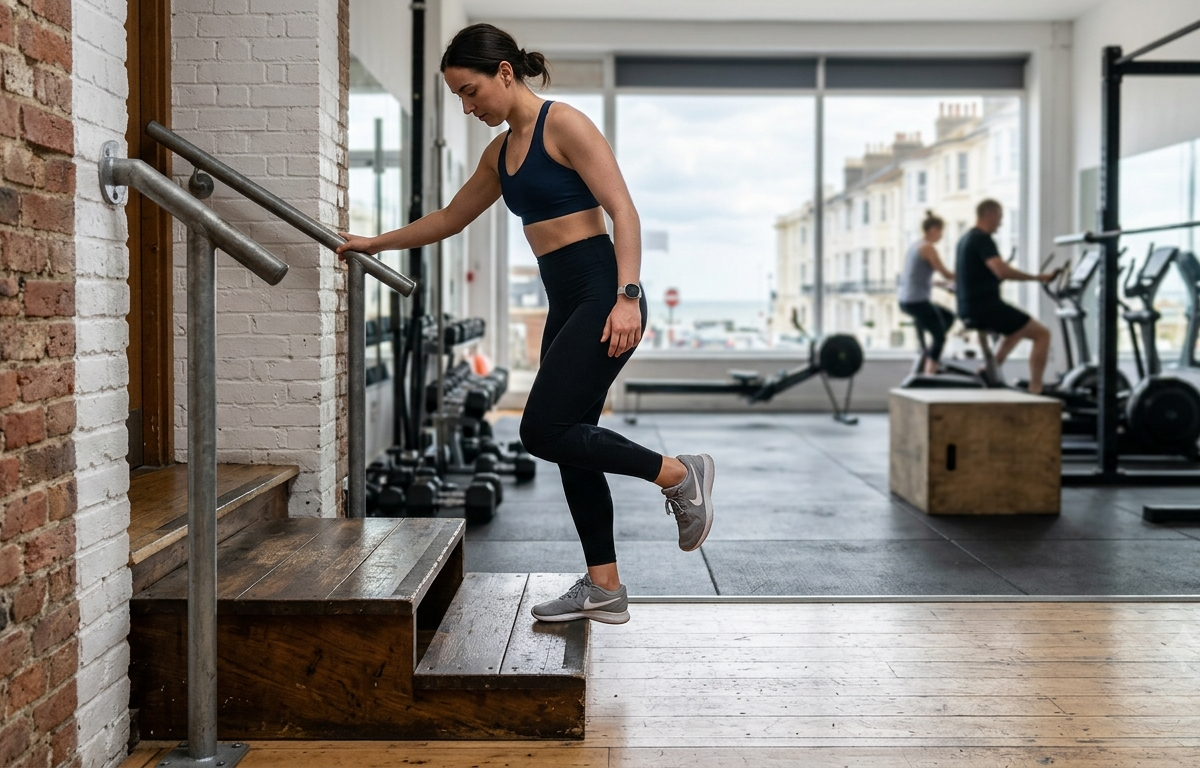
Single Leg Calf Eccentrics: The Secret to Stronger Ankles in Brighton
Whether you are running along the Brighton seafront or tackling the steep trails of the South Downs, foot and ankle pain can quickly derail your routine. One of the most effective, research-backed exercises we recommend at our Brighton chiropractic clinic to prevent injuries and restore lower leg strength is the Single Leg Calf Eccentric. For personalized guidance, consider learning Single Leg Calf Eccentrics with a Brighton Physiotherapist. For comprehensive lower limb rehab, be sure to ask your Brighton Physiotherapist about the benefits of Single Leg Calf Eccentrics as part of your recovery plan.
What Are Single Leg Calf Eccentrics?
An eccentric movement occurs when a muscle lengthens under tension. Unlike standard calf raises that focus on pushing up (the concentric phase), eccentric training focuses on the slow, controlled lowering phase. If you’re interested in injury prevention, ask a Brighton Physiotherapist about the correct way to perform Single Leg Calf Eccentrics in your sessions.
This controlled lengthening creates targeted micro-stimulation in the Achilles tendon and calf muscles (gastrocnemius and soleus), promoting tissue remodeling, increasing load capacity, and reducing stiffness. In fact, your Brighton Physiotherapist may incorporate Single Leg Calf Eccentrics exercises to help support tendon health and recovery.
Why They Matter for Achilles & Ankle Health
Achilles tendinopathy and plantar fasciitis are common complaints among runners, walkers, and active individuals across East Sussex. For those seeking Brighton physiotherapist expertise, adding Single Leg Calf Eccentrics can elevate your non-surgical rehab program because it:
- Rebuilds Tendon Resilience: Stimulates collagen synthesis to repair overloaded tendon tissue.
- Improves Ankle Stability: Strengthens the deep stabilizers of the foot and lower leg.
- Prevents Recurrent Strain: Prepares muscles to absorb high impact from running, jumping, and daily walking.
How to Perform the Exercise
- Start Position: Stand on the edge of a step on the balls of both feet, holding a rail for balance. For support in proper form, consult a Brighton Physiotherapist on Single Leg Calf Eccentrics technique.
- Raise Up: Press up using both feet into a standing calf raise.
- Transfer Weight: Lift your unaffected foot so all your weight rests on the target leg.
- Lower Slowly: Spend 3 to 5 seconds slowly lowering your heel below step level.
- Repeat: Return both feet to the step and repeat for 3 sets of 10 repetitions.
Expert Chiropractic Care in Brighton
While home rehabilitation is powerful, underlying joint restrictions in the feet, ankles, or pelvis can limit full recovery. Our Brighton chiropractic team combines targeted adjustments with active rehabilitation to keep you moving pain-free. As part of your Brighton therapy journey, Single Leg Calf Eccentrics might be suggested by your Physiotherapist for optimal results.
Contact our Brighton clinic today to book an evaluation!
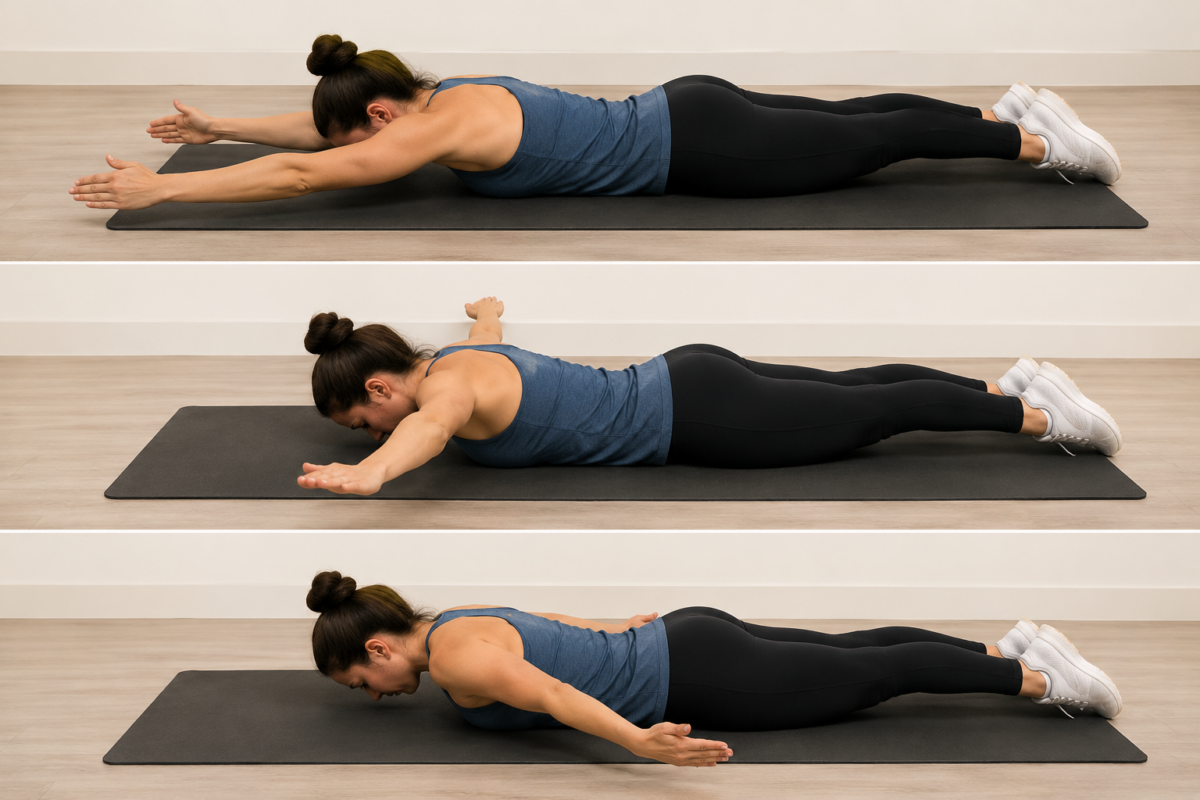
Prone Angel Wings for Better Posture and Spinal Health
What Are Prone Angel Wings?
Prone Angel Wings strengthen the muscles that support your shoulders, upper back, and spine. Chiropractors often recommend this exercise because it improves posture, increases shoulder mobility, and encourages better movement patterns. If you spend hours at a desk or regularly look down at your phone, this simple exercise can help balance the muscles that keep your spine aligned.
How to Perform Prone Angel Wings
Lie face down on a comfortable surface and rest your forehead on a folded towel. Extend your arms overhead in a “Y” position with your palms facing the floor. Tighten your core and gently lift your arms a few centimetres from the ground. Slowly sweep your arms out to the sides and down towards your hips, just like making a snow angel. Return to the starting position with control. Complete 8 to 12 repetitions while maintaining slow, steady movements.
Benefits for Your Spine
Prone Angel Wings activate the muscles between your shoulder blades, your rear shoulder muscles, and your upper back. Stronger postural muscles help keep your shoulders back and reduce unnecessary stress on your neck and upper spine. Regular practice also improves body awareness, making it easier to maintain good posture throughout the day.
How Chiropractic Care in Brighton Can Help
Many people visit our Brighton chiropractic clinic because they experience neck pain, shoulder tension, or upper back stiffness. We combine chiropractic adjustments with targeted rehabilitation exercises, including Prone Angel Wings, to improve strength, flexibility, and long-term spinal health. This approach helps you move more efficiently and supports lasting results.
Improve Your Posture Today
Add Prone Angel Wings to your weekly exercise routine alongside regular stretching, walking, and ergonomic adjustments. If you feel pain while performing the exercise, stop immediately and seek professional advice. Our experienced Brighton chiropractors can assess your posture, identify the cause of your discomfort, and create a personalised treatment plan that helps you stay active, healthy, and pain-free.